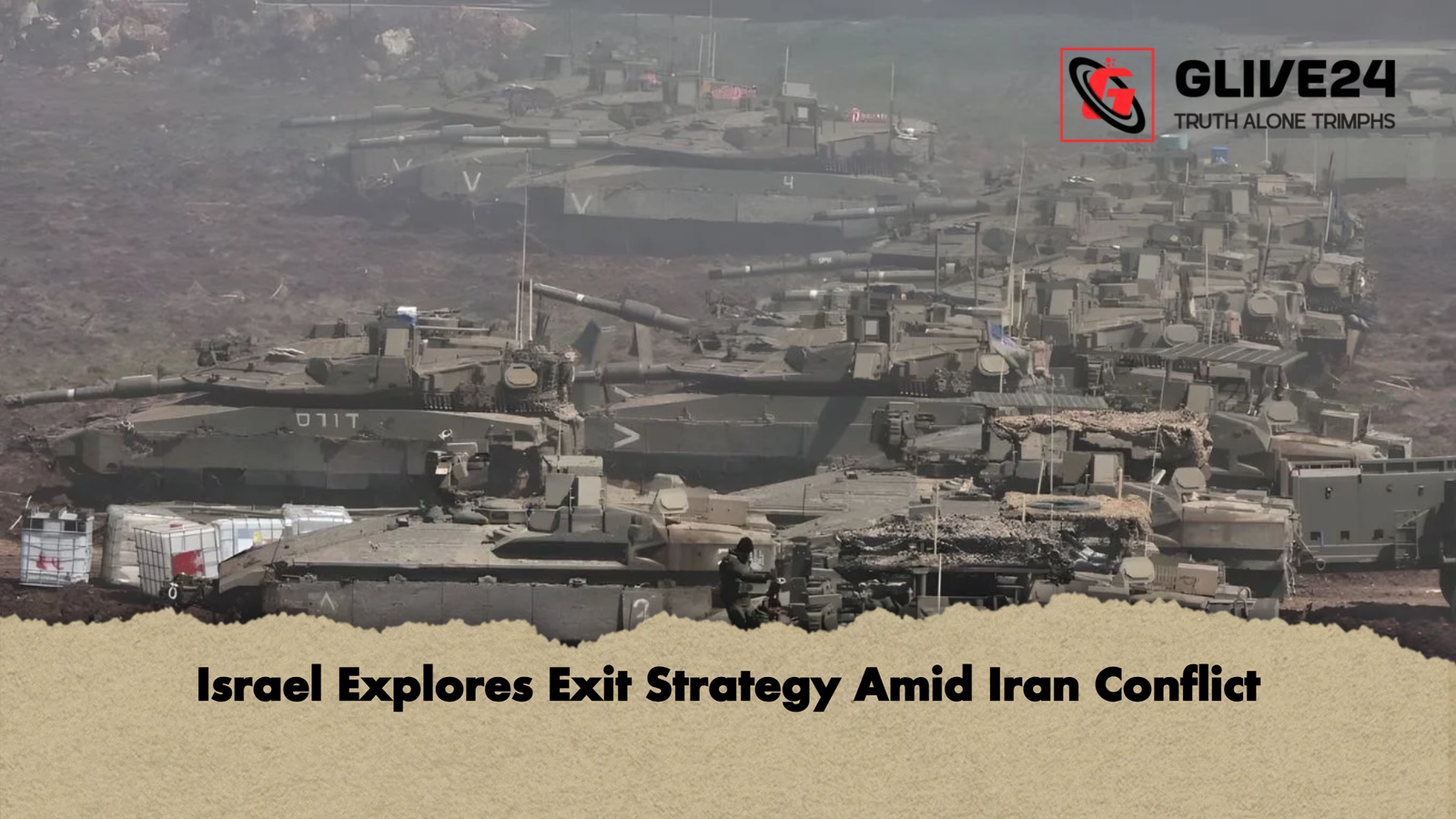
Senior Israeli officials have reportedly grown increasingly concerned over the ongoing military operations against Iran. Amid escalating costs, regional security risks, and the potential impact on the global economy, they are actively considering an “exit ramp” — a strategy for disengaging from the conflict without compromising national objectives. Military analysts and diplomatic experts alike stress that a rapid resolution is essential to prevent further regional instability and surging oil and gas prices.
Table of Contents
Current Military Situation
Israeli authorities claim that their operations are advancing according to plan. Key targets include Iran’s nuclear infrastructure, ballistic missile arsenals, and prominent military-intelligence installations. Yet, political closure remains elusive. Both Prime Minister Benjamin Netanyahu and former U.S. President Donald Trump are said to remain committed to pursuing the campaign until what they term a “complete victory” is achieved.
| Main Focus | Description | Status |
|---|---|---|
| Nuclear Programme | Destruction of remaining facilities | Nearly complete |
| Ballistic Missiles | Primary missile stockpiles | Ongoing destruction |
| Military & Intelligence Leaders | Top-ranking officials targeted | Ongoing destruction |
| Global Economy | Oil and gas prices rising | Concerning |
New Iranian Leadership and Diplomatic Challenges
Following the death of the former supreme leader’s son on 28 February, Mojtaba Khamenei has been designated as Iran’s new supreme leader. Known for his hardline stance, he is unlikely to engage in diplomatic negotiations. Israeli officials are particularly apprehensive about this development, which could complicate efforts to achieve a negotiated settlement while costs continue to mount.
Potential Risks and Concerns
Israeli defence officials have highlighted two key risks:
Large-scale land operations in Lebanon: While troops are deployed along the border to counter Hezbollah, there are currently no plans for a major offensive.
Relations with the United States: Strategic caution is being exercised to avoid dragging Washington into a protracted conflict.
One senior officer commented, “None of us wish to remain indefinitely on the battlefield. Once our primary objectives are met, Israel will have achieved its military goals. Iran may not surrender outright, but they could accept a ceasefire under U.S. conditions.”
The Future of the Conflict
The trajectory of the conflict remains uncertain. Netanyahu appears focused on destabilising the Iranian regime, though it is unclear who might succeed the current leadership. Meanwhile, Trump has reportedly envisaged a post-conflict reconstruction of Iran, but no concrete plans exist. Consequently, the timeline and terms for ending the Iran–Israel conflict remain ambiguous.
The unfolding situation illustrates a stark reality: despite measurable military gains, the complex interplay of diplomacy, economics, and regional stability is compelling Israel to explore potential avenues for withdrawal.