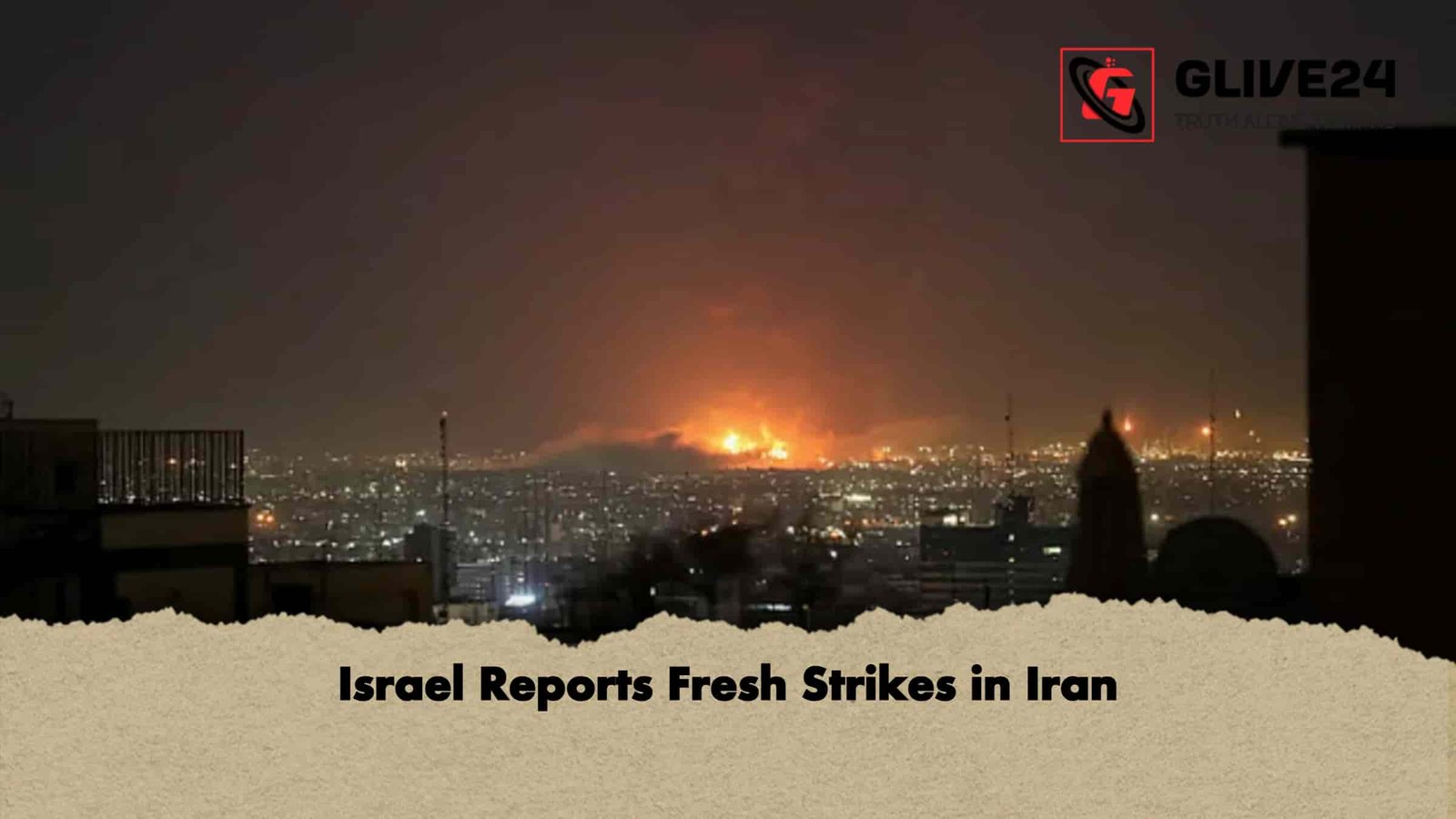
The armed confrontation between Israel and Iran entered its tenth day on Monday, with the Israeli military announcing a new series of air strikes against targets inside Iranian territory, including individuals described as senior officials linked to the country’s leadership structure.
In a formal statement, the Israel Defense Forces (IDF) said it had initiated renewed aerial operations against what it described as “infrastructure belonging to the Iranian regime” situated in central regions of Iran. According to the Israeli military, the campaign is intended to weaken Iran’s operational command network and disrupt facilities believed to support military coordination and strategic planning.
Israeli officials indicated that the latest phase of the operation includes efforts to strike high-ranking individuals associated with Iran’s leadership and security apparatus. The IDF said it would continue targeting figures it considers central to Iran’s military decision-making structure.
Among the most notable claims made by Israel concerns the death of Abolqasem Babaiyan, who was reportedly serving as the head of the military office of Iran’s Supreme Leader. Israeli sources said Babaiyan had only recently assumed the position before being killed during an Israeli strike carried out on Saturday. If confirmed, his death would represent a significant blow to Iran’s senior military leadership during the current escalation.
Iranian authorities have not immediately issued a detailed response confirming the claim, and independent verification remains limited. However, Iranian state-affiliated media have reported that several locations in central Iran have been struck in recent days, including facilities linked to government and security institutions.
Military analysts suggest that the targeting of senior officials represents a notable shift in the intensity of the conflict. Such operations are often designed to disrupt strategic coordination, slow decision-making, and exert psychological pressure on leadership structures.
The confrontation between Israel and Iran has intensified rapidly in recent days, raising fears among international observers that the conflict could expand beyond the two countries. Regional tensions have been heightened further by concerns that allied groups and neighbouring states could become involved if hostilities continue to escalate.
Diplomatic efforts by multiple governments and international organisations have so far failed to produce a breakthrough capable of halting the violence. Calls for restraint and dialogue have been issued by several global leaders, but military operations on both sides have continued.
The key developments reported so far in the latest stage of the confrontation are summarised below.
| Aspect | Information |
|---|---|
| Current Stage of Conflict | Tenth day of ongoing hostilities |
| Announcing Authority | Israel Defense Forces |
| Nature of Operation | Renewed aerial strikes |
| Target Area | Central regions of Iran |
| Main Targets | Regime infrastructure and senior officials |
| Reported High-Profile Casualty | Abolqasem Babaiyan |
| Position Held | Head of Supreme Leader’s military office |
| Reported Date of Death | Saturday |
| Source of Report | Reuters citing Israeli military statements |
Security specialists warn that continued strikes on leadership and strategic infrastructure may further intensify the confrontation. At the same time, the lack of verified information from both sides has made it difficult to assess the full extent of the damage and casualties.
As the conflict moves deeper into its second week, the international community remains watchful, while diplomatic pressure increases in an attempt to prevent a wider regional crisis.
Source: Reuters