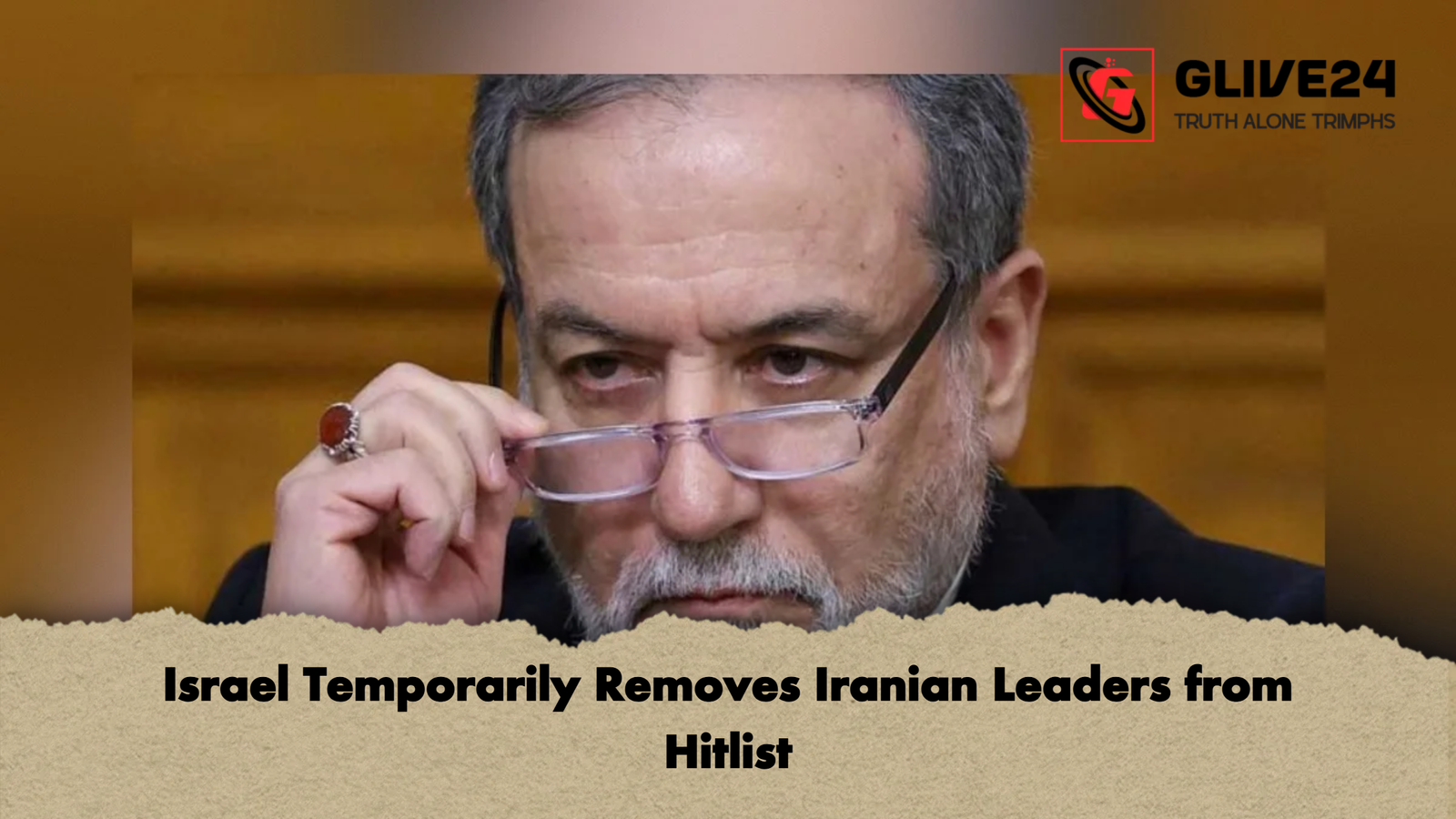
Israel has reportedly removed Iran’s Foreign Minister Abbas Araghchi and Parliament Speaker Mohammad Bagher Ghalibaf from its assassination target list, following a request from Pakistan, according to a Pakistani source cited by Reuters on Thursday. The source stated that the United States intervened, advising Israel not to target the two senior Iranian officials.
The source explained, “Israel had detailed intelligence on their whereabouts and intended to eliminate them. We informed the United States that killing these two would leave no one left to engage in dialogue. The United States then instructed Israel to hold off.”
Earlier, The Wall Street Journal reported that the temporary removal of the two officials from the hitlist was aimed at exploring the possibility of peace talks. According to U.S. officials cited by the publication, the protection was initially set to last four to five days. However, the Journal did not mention Pakistan’s role in facilitating the pause.
Pakistan, along with Egypt and Turkey, has played a significant intermediary role between Tehran and Washington to de-escalate tensions in the region. While diplomatic channels with many other countries remain limited, Islamabad continues to maintain direct communication with both Washington and Tehran. It is also being considered as a potential venue for any future peace negotiations.
Through Pakistan, a 15-point proposal reportedly sent by former U.S. President Donald Trump is under review by Iran. Israeli cabinet sources revealed that the proposal includes:
| Proposal Component | Details |
|---|---|
| Enriched Uranium Stockpile | Removal of Iran’s highly enriched uranium reserves |
| Uranium Enrichment | Suspension of all uranium enrichment activities |
| Ballistic Missile Programme | Significant reduction of missile development programmes |
| Regional Allies | Cessation of funding to regional allies |
Analysts suggest that Pakistan’s diplomatic intervention highlights its strategic influence in the Middle East. By maintaining simultaneous dialogue with both Iran and the United States, Islamabad has positioned itself as a key mediator capable of facilitating negotiations that could prevent wider conflict.
The temporary delisting of the two top Iranian leaders and the ongoing review of the 15-point U.S. proposal reflect a broader effort to open channels for dialogue, with Islamabad serving as a critical conduit. International observers have noted that such manoeuvres may set a precedent for diplomatic solutions in highly tense regional conflicts.