
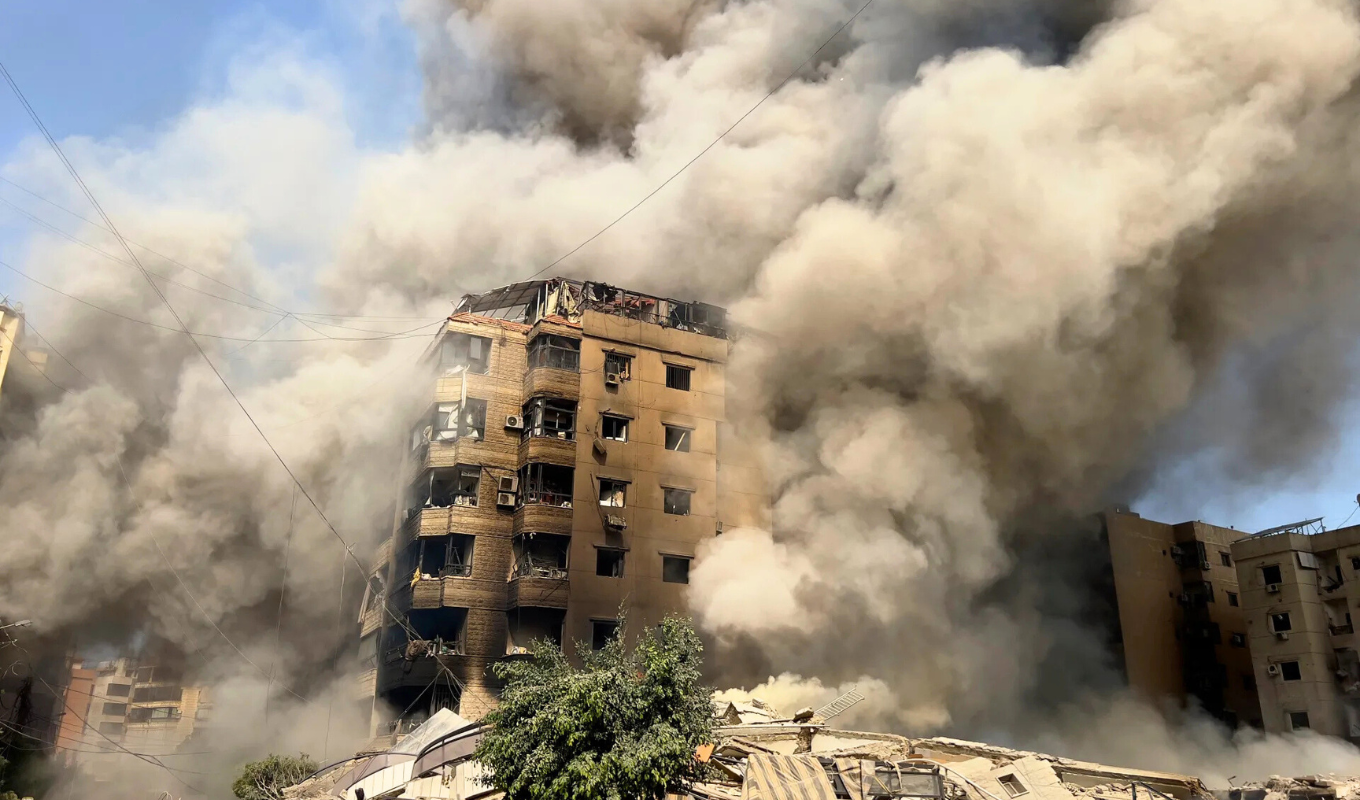
The spectre of a renewed, large-scale military campaign looms over the Middle East as Israel issues a stark ultimatum to Hezbollah. On Sunday, Israeli Defence Minister Israel Katz warned that the powerful Shia militant group is “playing with fire” by allegedly attempting to reorganise its military infrastructure in southern Lebanon, in defiance of existing security arrangements.1
Minister Katz’s rhetoric signals a significant hardening of Israel’s stance, specifically targeting not just the militant group but the Lebanese state itself. “Hezbollah is playing with fire, and the President of Lebanon is involved,” Katz stated. He further asserted that the Lebanese government has failed to uphold its commitment to disarm the group and secure the border region. “The highest measures will be taken against them, including intensifying attacks. We will not allow any threats to Israel’s northern regions.”
Table of Contents
A Fragile Peace Under Pressure
The current tension follows a weekend of bloodshed. On Saturday, an Israeli strike in Lebanese territory resulted in the deaths of four individuals, an event that further strained the precarious ceasefire established in November 2024. While that truce was intended to halt the full-scale conflict that erupted in mid-2024, the reality on the ground has been one of persistent, low-level attrition and targeted incursions.
The conflict reached its zenith last year when Israeli intelligence and air operations successfully eliminated the majority of Hezbollah’s senior command structure, most notably its long-standing leader, Hassan Nasrallah. Despite these decapitation strikes, Israeli officials now claim the group is seeking to replenish its ranks and re-establish its presence along the “Blue Line”—the UN-recognised withdrawal line.
Diplomatic and Military Friction
The Lebanese government finds itself in an increasingly impossible position. Following an Israeli raid last week that targeted a residential property and killed a government employee, the President of Lebanon instructed the national armed forces to take active measures to prevent further Israeli territorial incursions.2 This directive sets the stage for potential direct confrontations between the Israel Defense Forces (IDF) and the Lebanese Armed Forces (LAF), adding a dangerous new layer to the conflict.
Key Actors and Security Commitments
The following table summarises the stated positions and obligations of the primary parties involved in the current border crisis:
| Entity | Declared Position / Obligation | Current Military Stance |
| Israel | Demands a “buffer zone” free of Hezbollah presence per UN Resolution 1701. | Threatening “extensive operations” and intensifying air strikes. |
| Hezbollah | Claims “solidarity” with Palestinian factions; insists on the right to resist occupation. | Allegedly reorganising tactical units despite leadership losses. |
| Lebanon (Govt) | Formally committed to disarming non-state actors; protests sovereignty violations. | Instructing the national army to block further Israeli ground incursions. |
| UNIFIL | Tasked with monitoring the cessation of hostilities and supporting the LAF. | Maintaining observation posts amidst frequent crossfire. |
The Human and Strategic Cost
The escalation comes at a devastating cost to the civilian populations on both sides of the border. Tens of thousands of residents in northern Israel remain displaced due to the threat of rocket fire, while southern Lebanon has seen entire villages decimated by air campaigns.
For the international community, the primary fear is that a miscalculation by either side could transform these “targeted measures” into a regional conflagration. With Hezbollah deeply integrated into the Lebanese political fabric, an Israeli offensive aimed at the group’s “reorganisation” risks dismantling the remaining stability of the Lebanese state entirely.