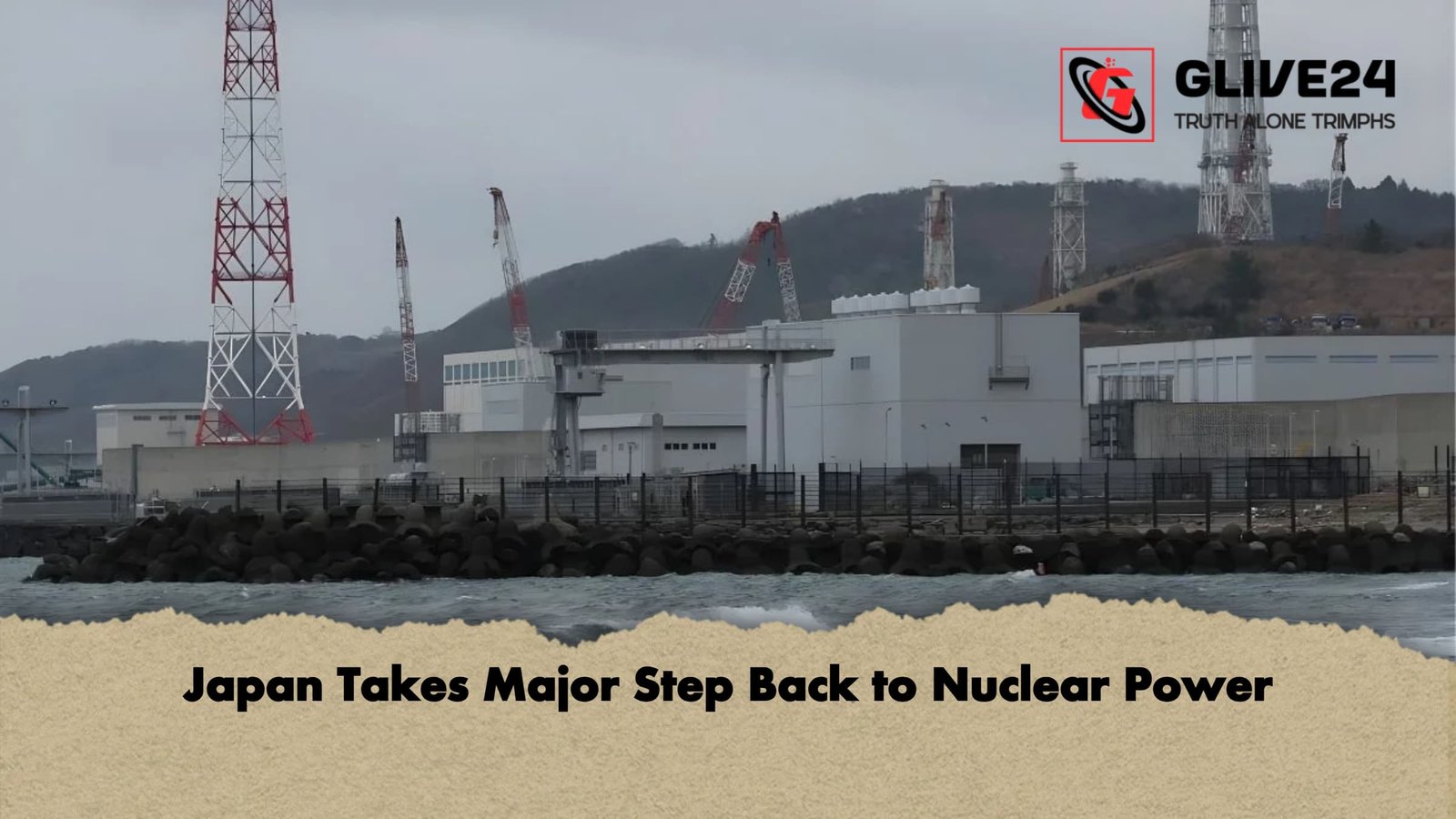
Japan has taken a decisive step towards reviving its nuclear power programme by granting final approval to restart the world’s largest nuclear power station, Kashiwazaki-Kariwa. The approval was secured on Monday, 22 December, through a regional assembly vote in Niigata Prefecture, marking a pivotal moment nearly 15 years after the Fukushima disaster reshaped the country’s energy policy.
Located around 220 kilometres north of Tokyo, Kashiwazaki-Kariwa was among 54 nuclear reactors shut down nationwide following the devastating earthquake and tsunami of March 2011. That catastrophe crippled the Fukushima Daiichi plant, triggering the most serious nuclear accident since Chernobyl and prompting widespread public distrust of nuclear power across Japan.
Since then, Japan has cautiously moved towards reactivation, restarting 14 of its 33 operable reactors as it seeks to reduce reliance on imported fossil fuels. Kashiwazaki-Kariwa, operated by Tokyo Electric Power Company (TEPCO)—the same firm responsible for Fukushima Daiichi—will be the first TEPCO-managed plant to return to service since the disaster, a fact that has heightened both scrutiny and controversy.
On Monday, the Niigata Prefectural Assembly voted in support of Governor Hideyo Hanazumi, effectively endorsing the restart. However, the decision exposed deep divisions within the local community. While legislators approved the plan, around 300 demonstrators gathered outside the assembly building in freezing conditions to protest against what they view as an unacceptable risk.
TEPCO has stated that it is considering restarting the first of the plant’s seven reactors as early as 20 January. Company spokesperson Masakatsu Takata said TEPCO was “fully committed to ensuring that such an accident will never happen again” and pledged to prioritise the safety of Niigata residents.
Public scepticism remains strong. An October survey found that 60 per cent of local residents believe the necessary conditions for a restart have not been met, while nearly 70 per cent expressed anxiety about operating new or reactivated nuclear plants. Ayako Oga, a former Fukushima evacuee, said the risks could not be dismissed. “We know personally what a nuclear accident can do,” she said. “I do not want anyone else to suffer such losses.”
According to estimates from Japan’s Ministry of Economy, Trade and Industry, restarting just the first reactor could boost electricity supply to the Tokyo region by around 2 per cent. Prime Minister Sanae Takaichi has backed nuclear restarts as essential for strengthening energy security and cutting the soaring cost of fuel imports. Japan currently spends approximately ¥10.7 trillion (£68 billion) annually on liquefied natural gas and coal.
Yet for opponents, Kashiwazaki-Kariwa remains a potent symbol of unresolved risk, and a reminder that the shadow of Fukushima still looms large over Japan’s energy future.
Key Facts: Kashiwazaki-Kariwa Nuclear Power Plant
| Item | Details |
|---|---|
| Location | Niigata Prefecture, 220 km north of Tokyo |
| Operator | Tokyo Electric Power Company (TEPCO) |
| Number of reactors | 7 |
| Shutdown year | 2011 |
| Planned restart | First reactor from 20 January (proposed) |
| Potential power boost | ~2% of Tokyo region supply |
| Annual fossil fuel import cost | ¥10.7 trillion |