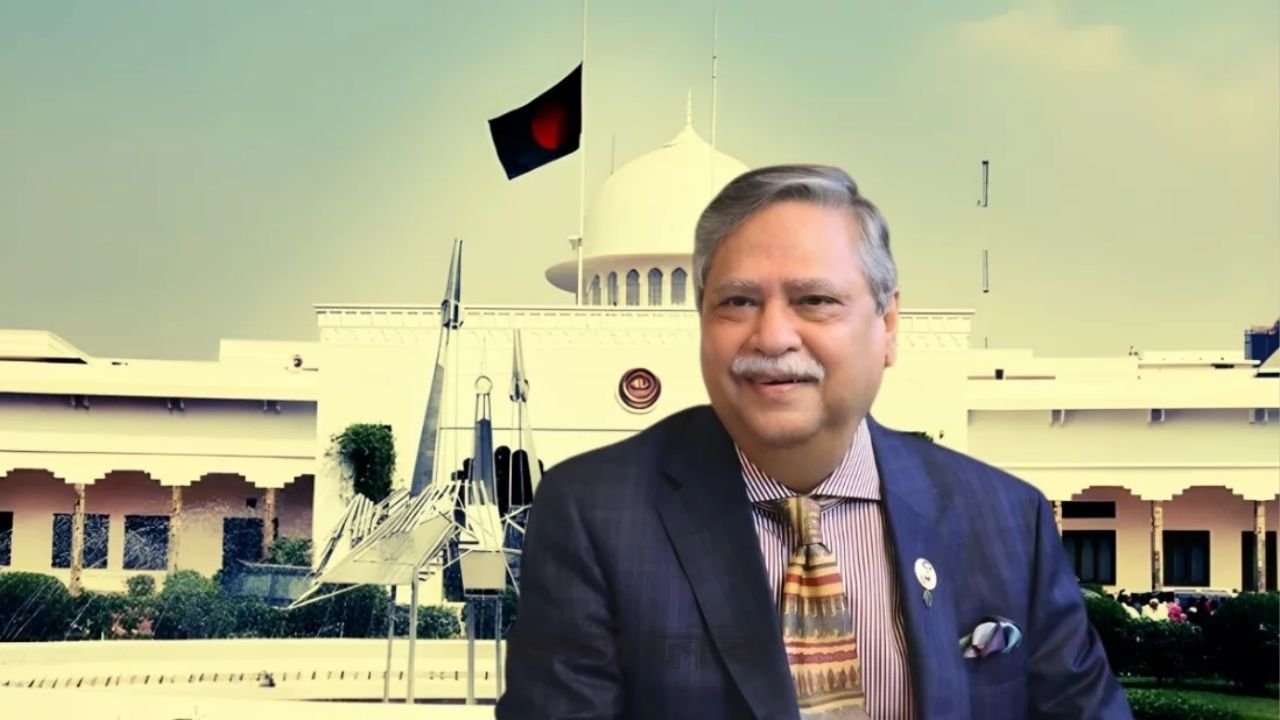
The constitutional foundations of Bangladesh’s executive branch are facing an unprecedented legal assault. On Monday, 2 March, a writ petition was formally lodged with the High Court Division, seeking a declaration that President Mohammed Sahabuddin’s oath of office was illegal and inherently void. This bold judicial move marks a significant escalation in the post-uprising legal landscape, as the nation continues to navigate the complex fallout of the July Revolution.
The petition centers on two explosive allegations. Firstly, it contends that the President held dual citizenship at the time of his inauguration, a status that would constitutionally disqualify him from holding the highest office in the land. Under the current legal framework, the President of the Republic must satisfy stringent eligibility criteria, and any allegiance to a foreign power is viewed as a fundamental breach of national sovereignty and constitutional mandate.
Allegations of Human Rights Negligence
Beyond the technicalities of citizenship, the writ takes a deeply emotive and political turn. It calls for a formal investigation into the President’s alleged “silent role” during the July uprising. The petitioner argues that this perceived inaction should be categorised alongside the human rights violations currently being investigated against the ousted Prime Minister, Sheikh Hasina. This pushes the legal argument into the realm of crimes against humanity, asserting that those in positions of supreme authority had a proactive duty to prevent the violence that transpired.
Timeline of Legal Escalation
This writ follows a preliminary legal warning issued on 26 February, where a formal notice was dispatched to the Parliament Secretariat and the Law Secretary by Supreme Court advocate, Barrister Shahriar. The notice demanded the President’s immediate removal to facilitate the appointment of a successor in accordance with constitutional protocols.
| Legal Milestone | Date | Key Action |
| Initial Legal Notice | 26 February 2026 | Demand for removal sent to Law Secretary |
| Writ Petition Filed | 2 March 2026 | Challenge lodged in the High Court |
| Scheduled Hearing | 3 March 2026 | Expected deliberation by a Bench |
| Primary Allegation | Citizenship | Alleged dual nationality at time of oath |
| Secondary Allegation | Complicity | Alleged failure to act during July uprising |
Constitutional Implications
If the High Court finds merit in these claims, Bangladesh could face a profound constitutional crisis. The nullification of a President’s oath would theoretically cast a shadow over every official act, appointment, and bill signed during his tenure. Legal scholars suggest that the bench, expected to hear the matter on Tuesday, 3 March, will have to balance the letter of the law against the stability of the state.
As the nation watches the judiciary, the outcome of this petition will likely define the parameters of accountability for those who remained in power during the transition from the previous regime.