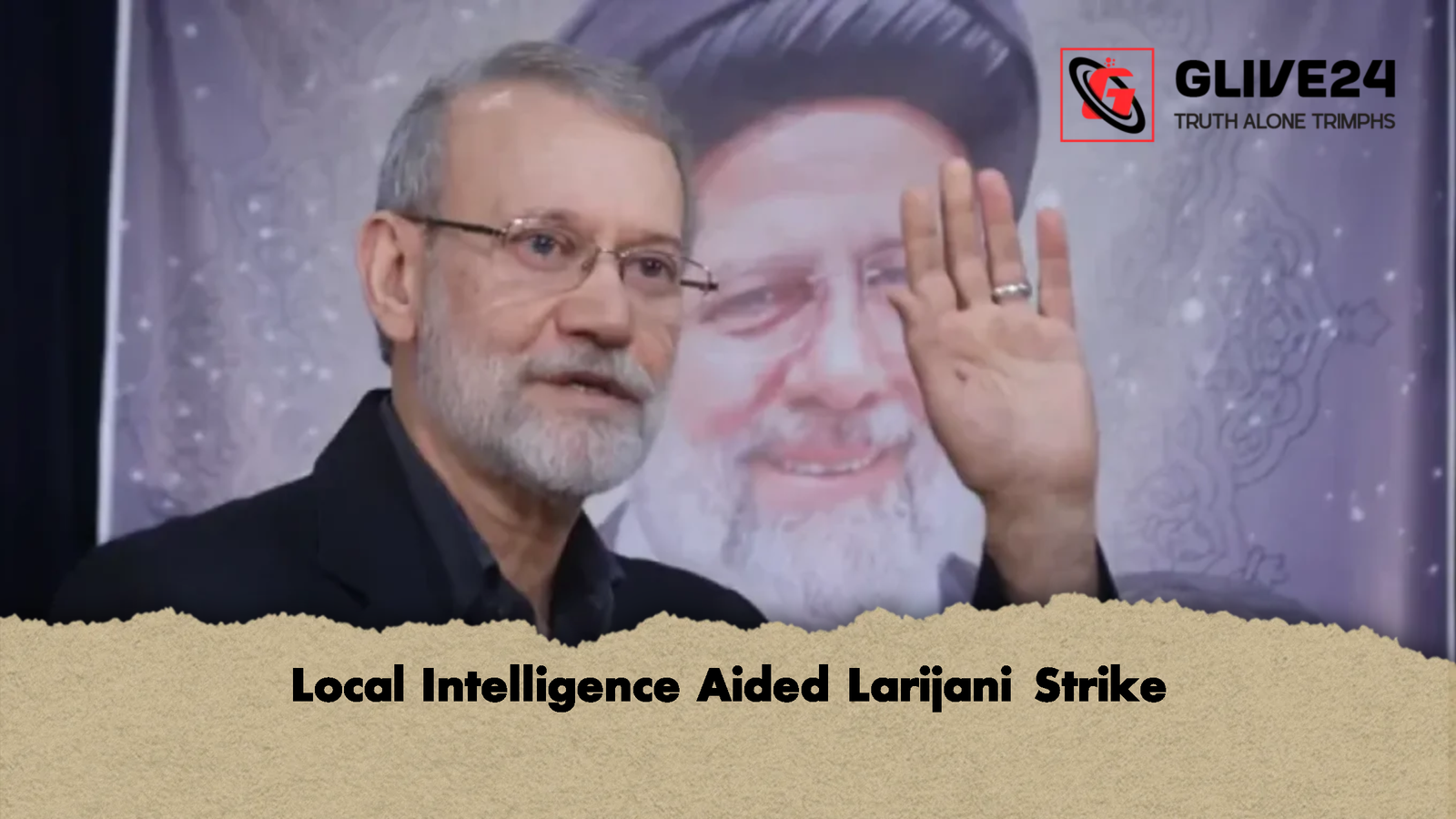
Shocking new reports suggest that the targeted killing of Ali Larijani in Tehran was facilitated by intelligence provided by ordinary Iranian citizens. According to Israel-based media outlet Iran International, citing an Israeli government official, tips from local residents played a pivotal role in enabling the precision strike on the senior Iranian leader.
Table of Contents
Civilian Intelligence in Action
The official revealed that actionable information gathered over a 24-hour period allowed Israeli forces to plan and execute an “accurate and effective” operation against Larijani. The details reportedly included his movements, routines, and security arrangements, which allowed the attackers to identify and target him with unprecedented precision.
Israeli sources noted that Larijani had been unusually visible in recent days, moving openly in public spaces, participating in events such as the Quds Day rally, and granting interviews to both domestic and international media. His high-profile appearances, combined with what analysts describe as “overconfidence,” made him easier to track and identify.
Ongoing Intelligence Gathering
According to Israeli intelligence agencies, the flow of information from Tehran residents remains substantial. This intelligence has reportedly helped identify the locations of key Basij checkpoints and Islamic Revolutionary Guard Corps positions, streamlining operational planning for missions inside Iran.
The official commented that civilian-provided data has significantly reduced the operational risks for Israeli units, enabling them to conduct precise operations with minimal exposure. Such local cooperation, whether voluntary or coerced, has been described as “critical” to the success of recent high-value strikes.
Strategic Implications
The revelations underscore the complexity of modern intelligence operations, where local human sources can dramatically influence military outcomes. Experts suggest that reliance on civilian information increases the effectiveness of targeted operations but also raises ethical and political concerns, especially in urban environments.
This development may intensify distrust between Tehran authorities and their population, as the apparent involvement of ordinary citizens in providing intelligence for foreign strikes could lead to heightened internal surveillance and security measures.
Key Facts
| Detail | Information |
|---|---|
| Target | Ali Larijani |
| Location | Tehran, Iran |
| Date of Strike | 17 March 2026 |
| Role of Locals | Provided actionable intelligence on movements and security |
| Israeli Claim | Larijani’s visibility and public activities aided identification |
| Additional Benefit | Helped pinpoint Basij and IRGC checkpoints |
| Media Source | Iran International (citing Israeli official) |
| Strategic Impact | Enabled precise strike; highlights role of human intelligence |
Conclusion
The killing of Larijani highlights the increasing influence of human intelligence in modern conflict, particularly in urban settings. Information from ordinary citizens, combined with sophisticated military capabilities, reportedly allowed for the precise targeting of one of Iran’s most powerful figures. This incident not only represents a tactical success for Israeli forces but also raises questions about the vulnerabilities of high-profile officials in densely populated areas and the broader implications for national security in Iran.