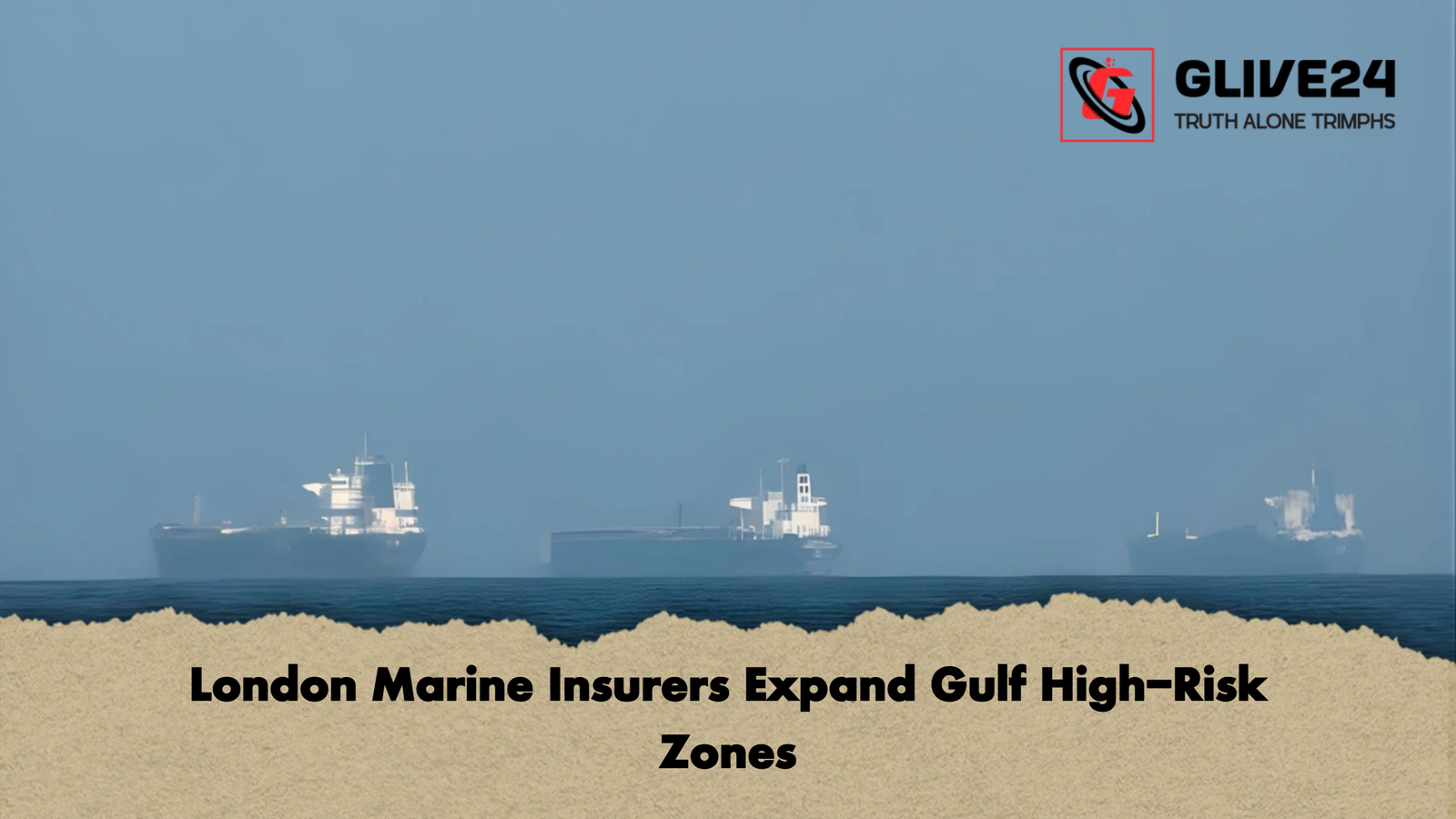
LONDON, 3 March 2026 – The London marine insurance market has formally expanded the Gulf maritime zones designated as high-risk, following a recent escalation of regional tensions. The updated guidance, issued by the Joint War Committee (JWC), affects waters off several Gulf states and is expected to significantly influence insurance premiums for shipping, fuel, and critical supply transport. The JWC comprises representatives from Lloyd’s syndicates and London-based insurance companies and regularly advises underwriters on areas subject to war-related hazards.
According to the JWC statement, the new high-risk designation now includes the territorial waters of Bahrain, Djibouti, Kuwait, Oman, and Qatar. Neil Roberts, Secretary of the JWC, said, “Following our review in Monday’s meeting, we have revised the maritime risk map. Vessels operating in these areas may encounter elevated war-related dangers.”
This development comes amid heightened military activity, including recent U.S. and Israeli airstrikes in the region. Reports from the insurance sector indicate that war-risk premiums in parts of the Gulf have already quintupled over the past week, adding substantial costs—often tens of millions of dollars—to individual shipments. Vessels previously outside the war-risk insurance zones now benefit from comprehensive coverage, providing greater security for global trade routes.
Industry experts highlight the potential stabilising effect of the JWC’s expanded guidance. Munro Anderson, a marine war insurance specialist at Vessel Protect, Pen Underwriting, remarked, “The extension of the high-risk zones will help maintain predictability in global supply chains. It reduces uncertainty for the movement of fuel, goods, and essential supplies through these strategic maritime corridors.”
The table below summarises the changes in risk classification and their immediate implications:
| Country/Waters | Previous Risk | New Risk | Summary of Impact |
|---|---|---|---|
| Bahrain | Medium | High | Increased war risk for shipping; higher insurance premiums |
| Djibouti | Low | High | Previously limited coverage; now fully insured |
| Kuwait | Medium | High | Additional costs for oil and gas exports |
| Oman | Low | High | Enhanced safety for commercial vessels |
| Qatar | Medium | High | Reduced volatility in fuel transport premiums |
The expansion ensures that vessels operating in the Gulf now receive significantly greater protection and certainty than before. Analysts suggest that this move could help maintain relative stability in commercial activity despite ongoing geopolitical tensions in the region.
The decision will have a direct effect on global energy and trade supply chains, particularly along major shipping routes connecting Europe and Asia. With fuel and cargo transportation costs already sensitive to risk classifications, the JWC’s revised guidance is likely to shape operational and financial planning for shipping companies worldwide.