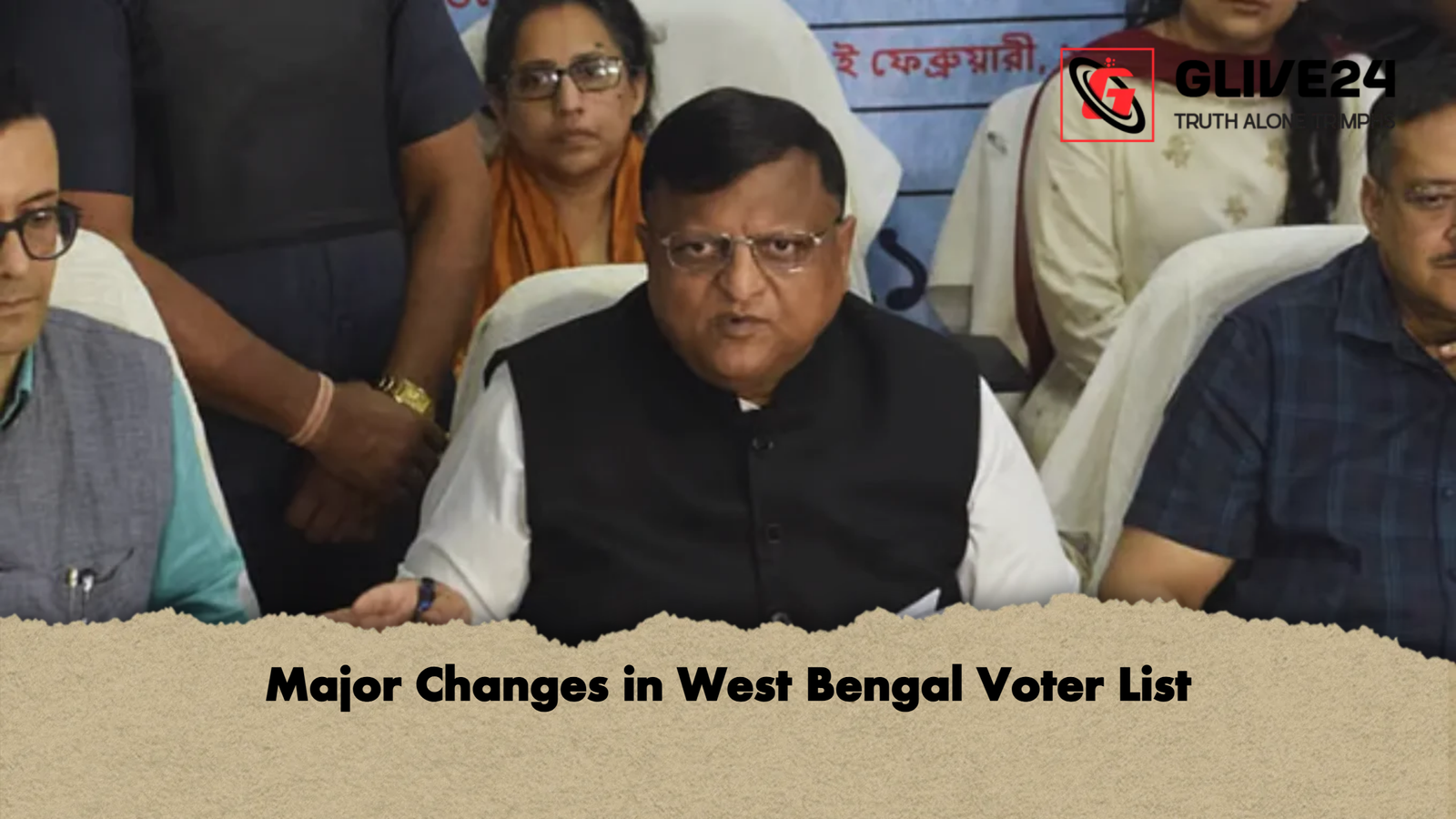
A sweeping revision of the electoral roll in West Bengal has resulted in the removal of approximately 6.37 million names, raising significant political and administrative questions ahead of the upcoming state assembly elections. The final voter list, released by the Election Commission following an intensive revision exercise, reflects both large-scale exclusions and a substantial number of entries placed under scrutiny.
According to official figures, 6,366,952 voters have been excluded from the final list. In addition, 6,006,675 individuals have been provisionally included but marked as “under consideration” due to discrepancies in their submitted information. These cases will undergo hearings, after which eligible individuals may be reinstated in phases. However, authorities have not indicated how many of these will ultimately qualify, leaving considerable uncertainty.
The revision process began with an initial database of 76,637,529 voters. A draft roll published on 16 December listed 70,816,630 names, already reflecting the removal of over 5.8 million entries. The newly released final roll now records 70,459,284 voters, including those still subject to verification. The scale of changes has prompted widespread attention, as it may directly influence electoral dynamics.
At a press briefing in Kolkata, State Chief Electoral Officer Manoj Agarwal confirmed the figures and explained that entries flagged for inconsistencies would be reassessed through due process. He emphasised that only those meeting eligibility criteria would be restored to the rolls.
The commission also reported the addition of 188,707 new voters, indicating a modest expansion of the electorate despite the large-scale deletions. Nevertheless, the presence of millions of uncertain entries has generated political concern.
In the Bhabanipur constituency, represented by Chief Minister Mamata Banerjee, the revision has led to notable fluctuations. Around 44,000 names were dropped in the draft stage, with a further 2,342 removed in the final list, bringing the total electorate there to 159,201. Meanwhile, the constituency associated with opposition leader Suvendu Adhikari has seen a slight increase in voter numbers. Additionally, 14,184 voters in Bhabanipur remain under review.
A significant portion of the “under consideration” category—over 2.4 million voters—belongs to minority Muslim communities, predominantly residing in districts such as Malda, Murshidabad, and Uttar Dinajpur. This demographic aspect has added another layer of sensitivity to the issue.
Below is a summary of the key figures:
| Category | সংখ্যা (Figures) |
|---|---|
| Initial voter base | 76,637,529 |
| Draft voter roll | 70,816,630 |
| Final voter roll | 70,459,284 |
| Names removed | 6,366,952 |
| Under review | 6,006,675 |
| New voters added | 188,707 |
Chief Minister Banerjee has expressed concern that the revision process could potentially exclude up to 12 million voters, a claim that has intensified political debate. The ruling party has voiced dissatisfaction over both the scale of deletions and the uncertainty surrounding millions of pending cases.
With elections to the 294-seat legislative assembly scheduled for April, the integrity and final composition of the voter roll are expected to play a decisive role. Observers note that the outcome of the ongoing verification process may significantly shape the political landscape in the weeks ahead.