
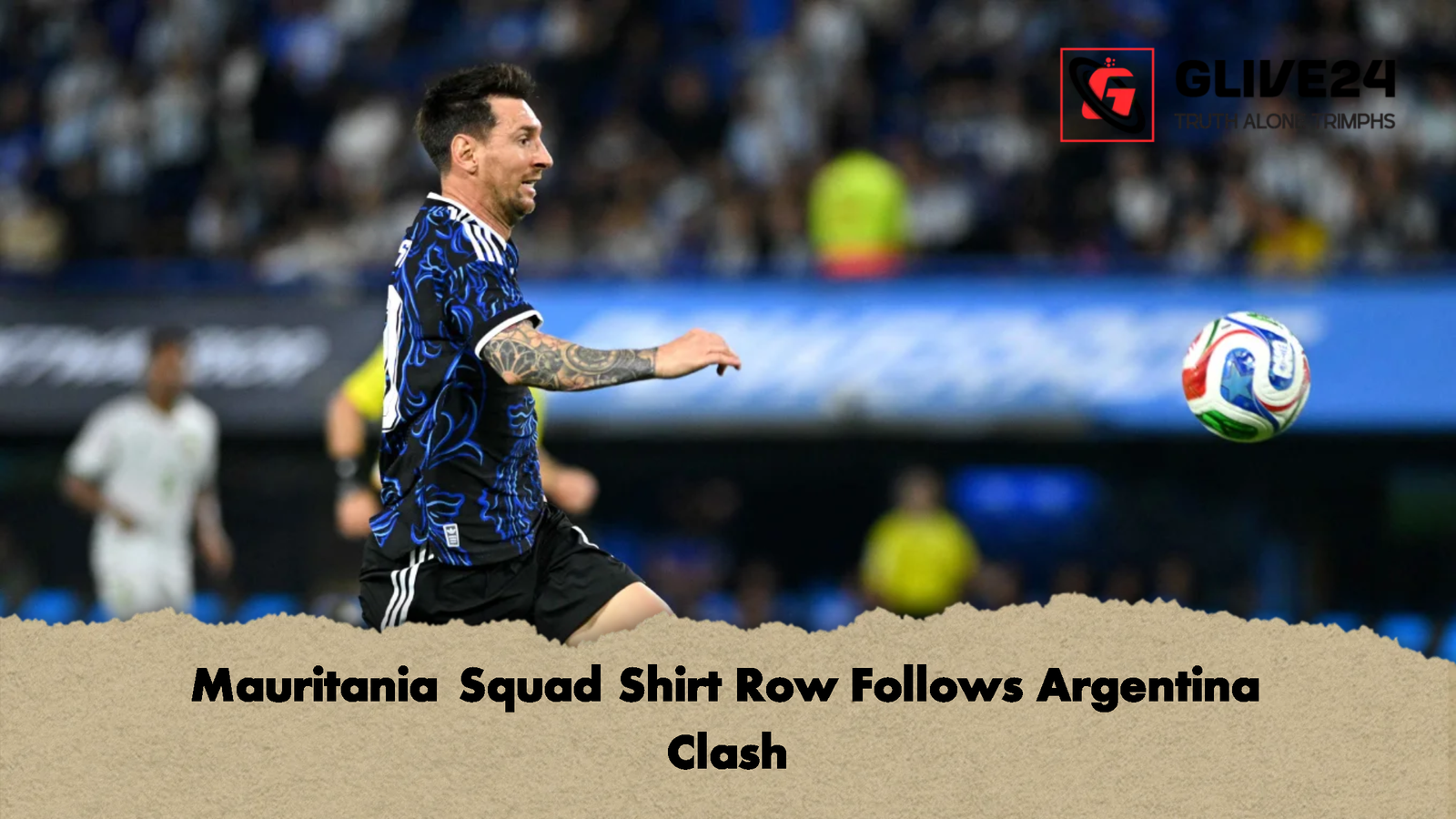
A remarkable international fixture between the Mauritania national football team and reigning world champions Argentina national football team at the iconic La Bombonera in Buenos Aires has drawn significant attention after reports emerged of heated disagreement among Mauritanian players in the aftermath of the match, reportedly centred on the exchange of shirts with global football superstars.
The encounter itself marked a historic occasion for Mauritanian football. Facing the world champions on Argentine soil, the team displayed resilience and moments of technical quality that surprised many observers. Remarkably, Mauritania also managed to score against one of the most disciplined defensive units in international football, a feat that has been widely praised by supporters and media in the country. For many, the performance has already been framed as one of the most memorable in the nation’s footballing history.
However, attention quickly shifted to events after the final whistle. As is customary in high-profile international fixtures, Mauritanian players sought to exchange shirts with their Argentine counterparts, with particular interest focused on captain Lionel Messi. Demand for memorabilia from Messi and other senior players, including Rodrigo De Paul, reportedly far exceeded supply, creating a tense and competitive atmosphere within the visiting dressing room.
Table of Contents
Dressing Room Dispute Over Memorabilia
Sources suggest that enthusiasm to secure a match-worn shirt escalated into minor internal disagreements among Mauritanian players. While the situation did not develop into any serious confrontation, it highlighted the extraordinary emotional and symbolic value attached to memorabilia from elite global footballers.
For many members of the squad, the opportunity to share the pitch with Argentina’s world champions represented a rare career milestone. Securing a shirt from a player of Messi’s stature was viewed not merely as a souvenir, but as a tangible reminder of participation in a historic occasion. The intensity of demand reflected both admiration and the significance of the experience.
Emotional Milestones and Standout Performances
Beyond the post-match scenes, the fixture was defined by several individual achievements. One of the standout performers was 32-year-old defender Jordan Lefort, whose contribution proved pivotal in Mauritania’s performance against elite opposition.
Lefort, who plays his club football for Angers SCO in France, recently became eligible to represent Mauritania through family and marital ties. After obtaining citizenship, he swiftly made himself available for international selection and was handed his debut against Argentina in this high-profile encounter.
In a moment that will be long remembered in Mauritanian football, Lefort scored the team’s equalising goal. The defender’s strike, a composed volley executed with his weaker foot, stunned observers and provided a symbolic highlight in an already remarkable contest.
Player Profile Overview
| Category | Details |
|---|---|
| Player | Jordan Lefort |
| Age | 32 |
| National Team | Mauritania |
| Club | Angers SCO (France) |
| Debut Match | vs Argentina at La Bombonera |
| Key Moment | Equalising goal via weaker-foot volley |
| Eligibility | Acquired Mauritanian nationality through family ties |
A Landmark Moment for Mauritania
Ultimately, the match represented far more than a routine international fixture. It was a rare opportunity for Mauritania to test themselves against the very pinnacle of world football, and they responded with determination, discipline, and moments of genuine quality.
While the post-match shirt dispute briefly overshadowed the sporting narrative, it also underscored the emotional weight of the occasion. For many players, standing alongside icons such as Messi symbolised both personal achievement and the broader progress of Mauritanian football on the international stage.
In retrospect, the night in Buenos Aires will be remembered as a defining chapter in Mauritania’s football history—one shaped not only by the action on the pitch, but also by the intensity of emotion that followed long after the final whistle.