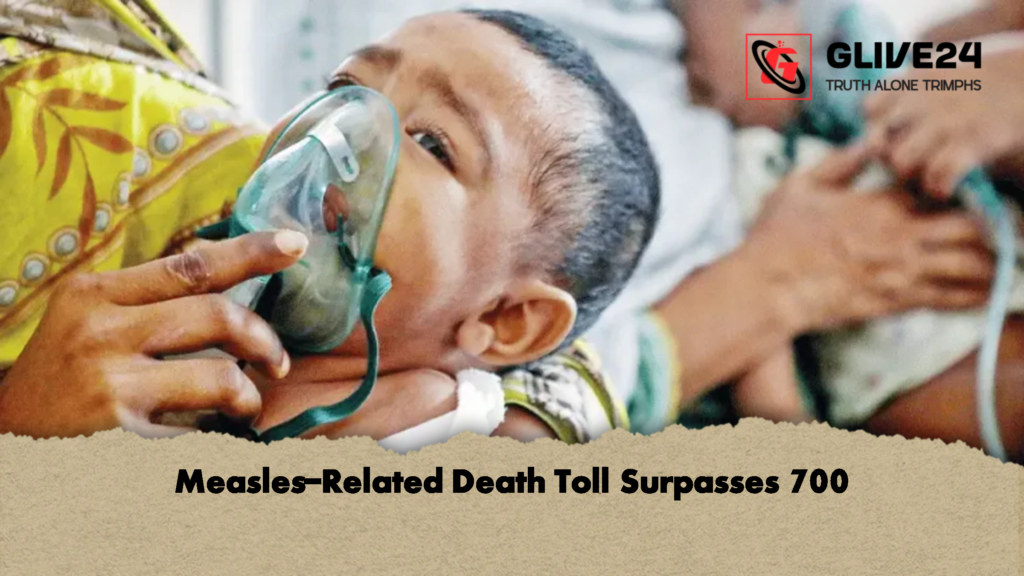
Bangladesh’s measles outbreak continues to claim young lives, with four more children dying after developing symptoms associated with the highly contagious disease over the past 24 hours. The latest fatalities have pushed the combined nationwide death toll from confirmed measles and suspected measles-related illness to 702 since 15 March this year, according to the Directorate General of Health Services (DGHS).
The latest figures were released on Friday afternoon by the Health Emergency Operations Centre and Control Room of the DGHS, highlighting the continuing pressure on the country’s public health system as authorities monitor the spread of the disease.
According to the report, no deaths from laboratory-confirmed measles were recorded between 8:00 am on Thursday and 8:00 am on Friday. However, four children who exhibited symptoms consistent with suspected measles died during the same period.
Health officials also reported a significant rise in new infections. During the 24-hour reporting period, 869 children across the country developed severe symptoms associated with measles, while laboratory testing confirmed 107 new cases of the disease.
The latest data indicate that transmission remains active in many parts of the country, with children continuing to account for the overwhelming majority of infections and fatalities.
Since the outbreak intensified on 15 March, official statistics show that 93 children have died after being diagnosed with laboratory-confirmed measles. When deaths involving suspected measles or measles-like symptoms are included, the total number of fatalities has now reached 702.
The difference between confirmed and suspected deaths reflects the ongoing process of laboratory testing and clinical investigation. Health authorities classify some cases as suspected measles when patients display characteristic symptoms but laboratory confirmation is either pending or unavailable at the time of reporting.
Measles is one of the world’s most contagious viral diseases and spreads primarily through coughing, sneezing and close personal contact. Initial symptoms typically include high fever, cough, runny nose and red eyes before a distinctive skin rash develops. Although many patients recover with appropriate care, the disease can lead to serious complications such as pneumonia, encephalitis and severe dehydration, particularly among young children and those with weakened immune systems.
Public health experts have long stressed that vaccination remains the most effective means of preventing measles outbreaks. High immunisation coverage is essential to limit transmission and protect vulnerable populations, especially infants who are too young to receive routine vaccinations and children with underlying health conditions.
Health authorities continue to monitor the situation closely through nationwide surveillance while encouraging parents and guardians to seek immediate medical attention if children develop symptoms consistent with measles. Early diagnosis and supportive treatment can help reduce the risk of severe complications.
The latest figures underline the scale of the ongoing outbreak and the challenges facing health authorities as they work to contain transmission. With hundreds of new suspected cases still being reported each day and the overall death toll continuing to rise, officials remain focused on surveillance, case management and preventive public health measures to curb the spread of the disease.