
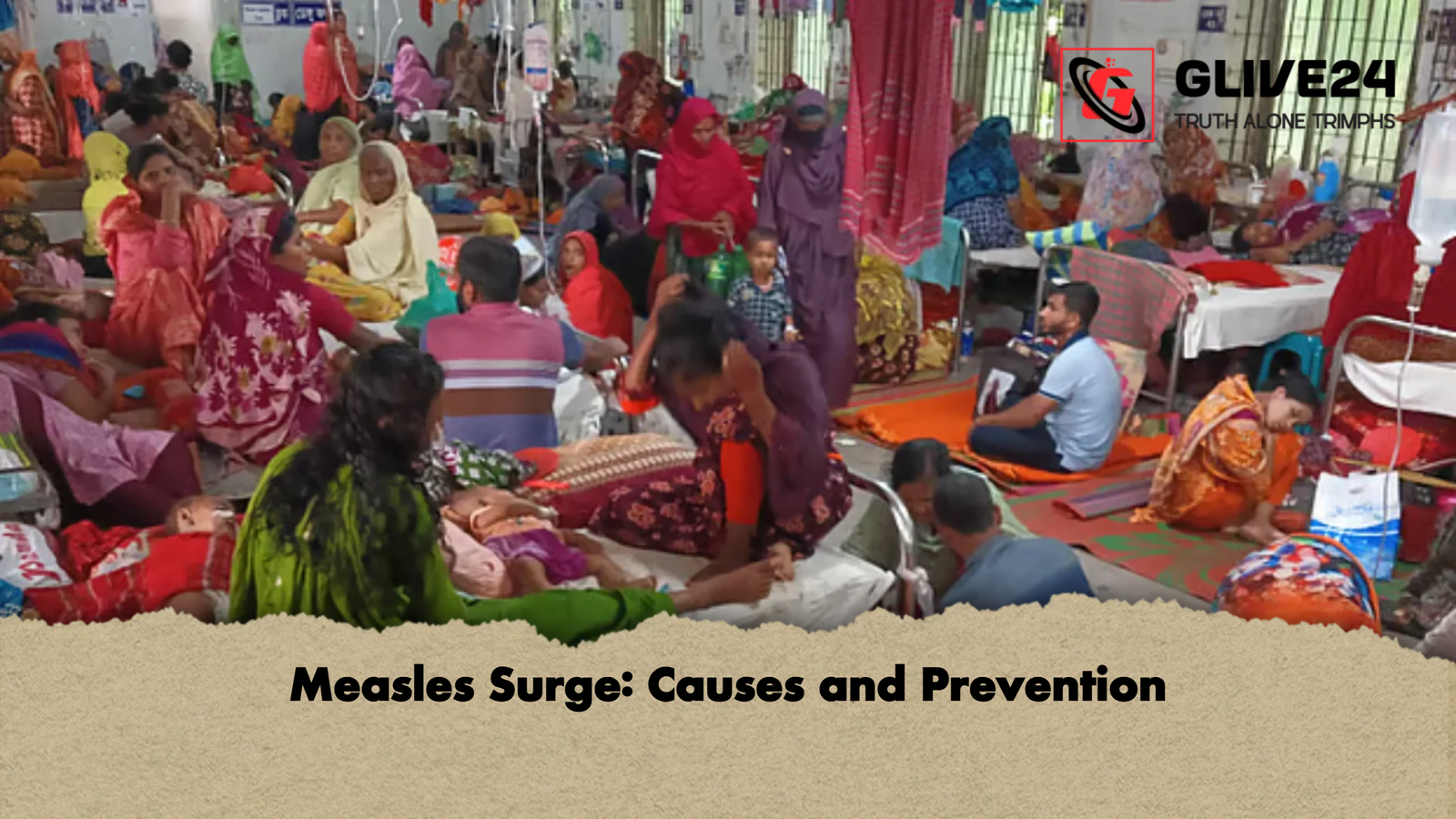
A concerning rise in measles cases has recently been observed across the country, with hospitals reporting an increasing influx of infected children. Health professionals warn that this highly contagious viral illness, which primarily targets the respiratory system, spreads rapidly from person to person, particularly in densely populated communities.
Table of Contents
Why measles cases are rising
Public health experts attribute the current surge largely to gaps in routine immunisation coverage. A significant number of children have missed scheduled vaccinations under the Expanded Programme on Immunisation (EPI), leaving them without adequate immunity. As a result, large pockets of the population remain susceptible to infection.
Additional contributing factors include overcrowded living conditions, malnutrition, and limited awareness about the importance of completing the full vaccination schedule. In such environments, the measles virus spreads swiftly and efficiently, triggering outbreaks even after periods of relative control.
Why vaccination is essential
Measles is far more than a simple febrile rash illness. It can lead to severe and potentially life-threatening complications. These include pneumonia, severe diarrhoea, otitis media (ear infection that may result in hearing loss), and encephalitis, an inflammation of the brain that can cause permanent neurological damage or death.
Timely immunisation provides highly effective protection against these outcomes. Medical evidence consistently shows that vaccination remains the most reliable method of preventing both infection and serious complications.
Vaccination access beyond EPI
Although measles vaccines are widely available through the national EPI programme, they can also be obtained from private hospitals and clinics. In private healthcare settings, the combined measles, mumps, and rubella (MMR) vaccine is commonly administered, offering broader protection against three viral diseases.
Dosage and schedule
| Category | Recommendation |
|---|---|
| First dose | 9 months of age |
| Second dose | 15 months of age |
| Minimum interval | At least 28 days (if catch-up required) |
| Vaccine type | Measles or MMR vaccine |
Children who have missed routine immunisation may still receive two doses later in life, provided the minimum interval between doses is maintained.
Vaccination for adults
Adults can also receive the measles vaccine, particularly those who were not immunised during childhood or who belong to high-risk groups. Women of reproductive age are especially encouraged to ensure immunity before pregnancy. However, vaccination is strictly contraindicated during pregnancy. It is recommended to avoid conception for at least one month following vaccination.
Side effects and safety
The measles vaccine is widely regarded as safe and well tolerated. Mild side effects may include slight pain at the injection site, low-grade fever, or minor skin redness. These symptoms typically resolve spontaneously within two to three days. Serious adverse reactions are extremely rare.
Conclusion
Experts emphasise that awareness and vaccination remain the most effective tools in controlling measles outbreaks. Ensuring timely immunisation, maintaining proper nutrition, and strengthening public health outreach are critical to preventing further spread. Protecting children through vaccination not only safeguards individual health but also contributes to broader community immunity.