The earnings of global football stars have long fascinated supporters and analysts alike. However, the financial details of footballers’ contracts are rarely disclosed in full. In most cases, fans and observers must rely on estimates from sports business analysts, media reports and salary databases to gauge the scale of players’ income.
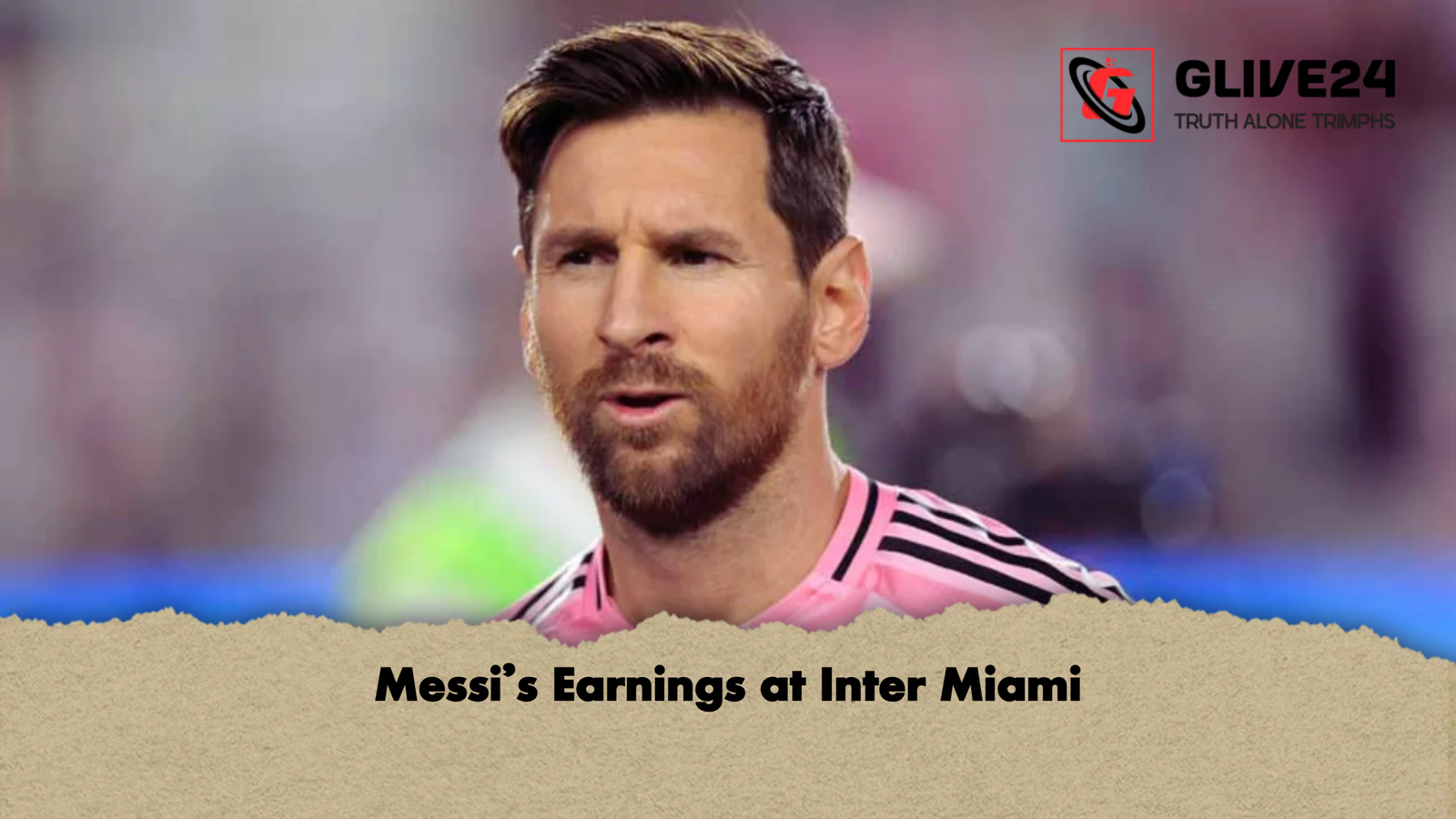
In the case of Lionel Messi, however, a clearer picture has recently emerged. Jorge Mas, co-owner of Inter Miami, has publicly revealed details of the Argentine superstar’s annual earnings at the Major League Soccer (MLS) club. According to Mas, Messi earns between 70 million and 80 million US dollars per year through his association with Inter Miami.
Importantly, this figure extends far beyond his standard playing salary. It includes income derived from a variety of commercial arrangements, including a stake in the club’s ownership structure and other revenue-sharing agreements linked to sponsorship and commercial partnerships.
Mas explained that sustaining such a significant financial commitment requires the club to secure strong commercial backing. “Players of this calibre command very high wages,” he said in a recent interview. “That is why global-level sponsors are essential. Messi earns between 70 and 80 million dollars annually, and he is worth every dollar.”
One of the club’s recent commercial moves reflects that strategy. Inter Miami has signed an agreement with the Brazilian financial services company Nubank’s parent group, Nu Holdings. Under the deal, the company has secured naming rights for the club’s new stadium currently under construction near Miami International Airport. The partnership is expected to become a major source of long-term revenue for the franchise.
Preparations for Messi’s arrival, according to club officials, began long before his transfer was finalised. In an interview with ESPN, Inter Miami’s president of business operations, Xavier Asensi, said the organisation had been strategically preparing for such an opportunity.
“I do not believe in luck,” Asensi explained. “To me, luck is the meeting point of preparation and opportunity.” He added that Messi’s arrival was not the result of chance but rather the culmination of a long-term strategy. “Things can happen spontaneously, but if you want them to happen, you must prepare in advance. That is exactly what we did. Lionel’s arrival was not accidental—it was the result of planning, strategy and years of preparation.”
Asensi also described the approach as reflective of a broader American business philosophy: aiming for the best possible outcome while preparing for less favourable scenarios.
Inter Miami’s growing ambitions are also evident in the development of its new stadium. The venue, which will have a capacity of approximately 26,700 spectators, is expected to host its first match on 4 April. Club executives believe Messi’s presence will significantly boost ticket sales, sponsorship interest and the international visibility of Major League Soccer.
Although Messi’s total annual earnings from Inter Miami are estimated at up to 80 million dollars, his official MLS salary is far lower. According to the Major League Soccer Players Association salary guide, his base salary stands at 12 million dollars, with guaranteed compensation of 20.45 million dollars.
The difference between those figures and his overall income highlights the increasingly complex financial structures used to attract elite global talent to the league.
| Income Category | Estimated Amount (USD) | Notes |
|---|---|---|
| Base salary | $12 million | Official MLS base salary |
| Guaranteed compensation | $20.45 million | Includes bonuses and league-reported payments |
| Ownership stake & commercial revenue | $50–60 million | Includes club equity and partnership deals |
| Estimated total annual income | $70–80 million | Figure cited by Inter Miami co-owner Jorge Mas |
Messi currently stands as the highest-paid player in Major League Soccer. His presence has not only elevated Inter Miami’s sporting profile but has also transformed the club into one of the most commercially valuable franchises in North American football. Industry analysts suggest that the Argentine icon’s global brand power continues to generate enormous financial returns, making his signing one of the most significant business decisions in MLS history.