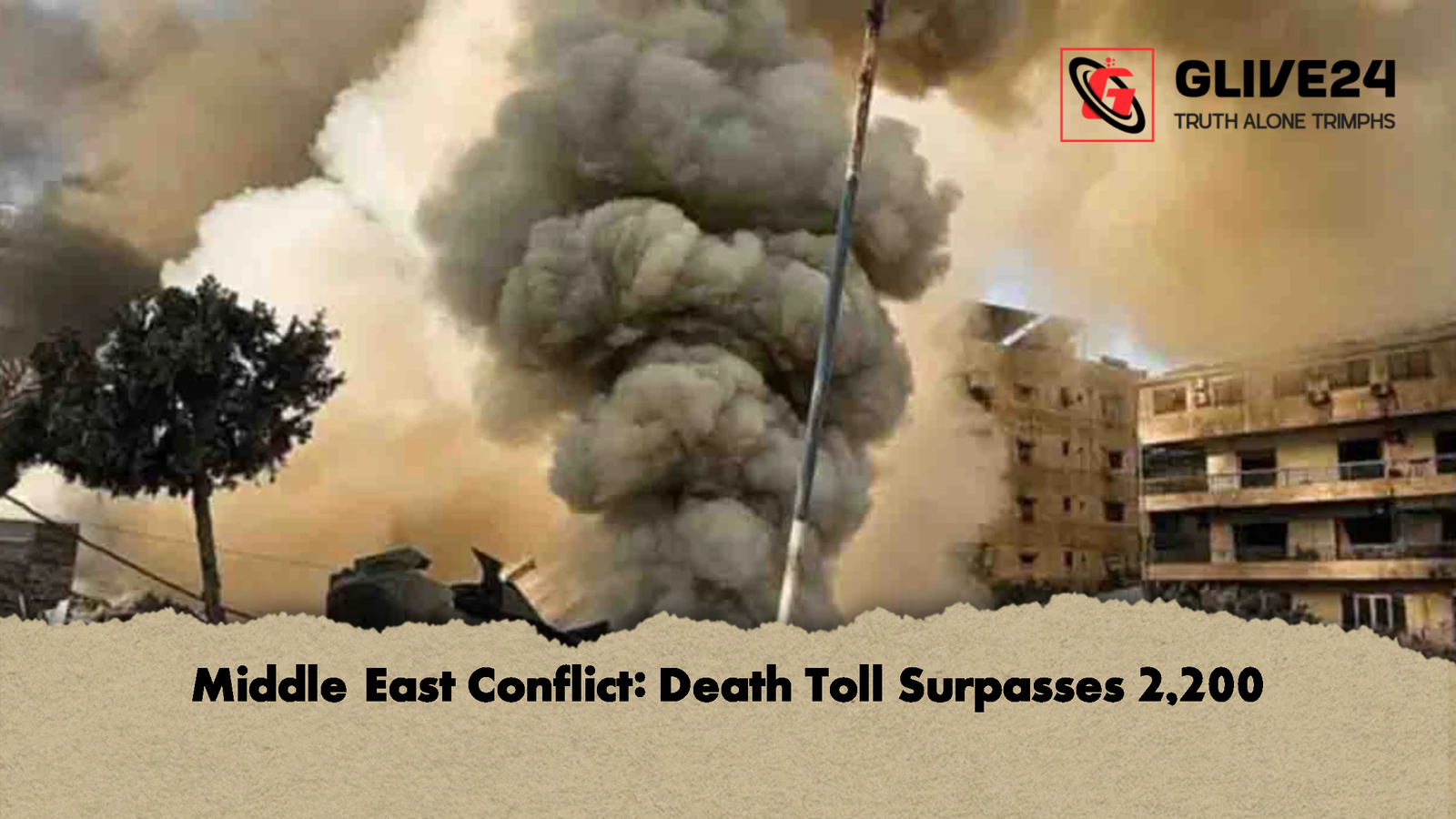
The escalating conflict in the Middle East, sparked by U.S. and Israeli operations targeting Iran’s nuclear and missile programmes, has now spread across fourteen countries, resulting in substantial casualties. Since 28 February, Iran has retaliated with missile strikes against Israel and U.S. interests, while also launching attacks in allied Arab states hosting American or Israeli facilities.
According to Qatar-based Al Jazeera, the total death toll across the region has reached 2,287, with Iran bearing the heaviest losses as the primary theatre of conflict.
Table of Contents
Country-wise Casualty Overview
| Country | Fatalities | Commentary |
|---|---|---|
| Iran | 1,444 | Majority of deaths from U.S.–Israeli airstrikes; epicentre of conflict |
| Lebanon | 773 | Fatalities largely linked to Iranian proxy operations and clashes with Israeli forces |
| Iraq | 26 | Targeted strikes on U.S. bases and Iranian-aligned militias |
| Israel | 14 | Civilian and military casualties from Iranian missile attacks |
| United States | 11 | U.S. military personnel killed in operational theatres |
| United Arab Emirates | 6 | Collateral damage near U.S. facilities and strategic sites |
| Kuwait | 6 | Attacks on regional installations affecting coalition interests |
| Oman | 3 | Limited impact; mainly maritime and drone-related incidents |
| Bahrain | 2 | Minor casualties, mostly associated with base security incidents |
| Saudi Arabia | 2 | Regional spillover from missile or drone attacks |
Conflict Dynamics
The conflict began as a preventive strike campaign by the U.S. and Israel, intended to curtail Iran’s nuclear and missile ambitions. In response, Tehran has targeted Israeli cities, U.S. bases, and strategic installations in multiple Gulf countries, demonstrating both regional reach and coordinated military capability.
The hostilities have disrupted energy shipments through the Strait of Hormuz, causing volatility in global oil markets. Iranian proxies, particularly in Lebanon and Iraq, have further widened the conflict through cross-border attacks, illustrating the regional and transnational dimensions of the crisis.
Regional and Strategic Implications
Iran remains the epicentre, with the majority of civilian and military fatalities concentrated there.
Lebanon continues to witness substantial losses from proxy clashes, underscoring the conflict’s spillover effects.
Gulf States, while not direct combatants, have suffered limited casualties due to their hosting of U.S. and Israeli installations.
The situation highlights the vulnerability of regional strategic assets and the challenge of containing Iran’s influence.
Humanitarian and Geopolitical Concerns
The death toll of 2,287 across fourteen countries illustrates the intensity and scope of the conflict. Analysts warn that without ceasefire agreements or effective mediation, further military and civilian casualties are likely. The extensive geographical spread of the conflict also raises serious concerns regarding regional energy security, safe maritime passage, and broader geopolitical stability.
Source: Al Jazeera