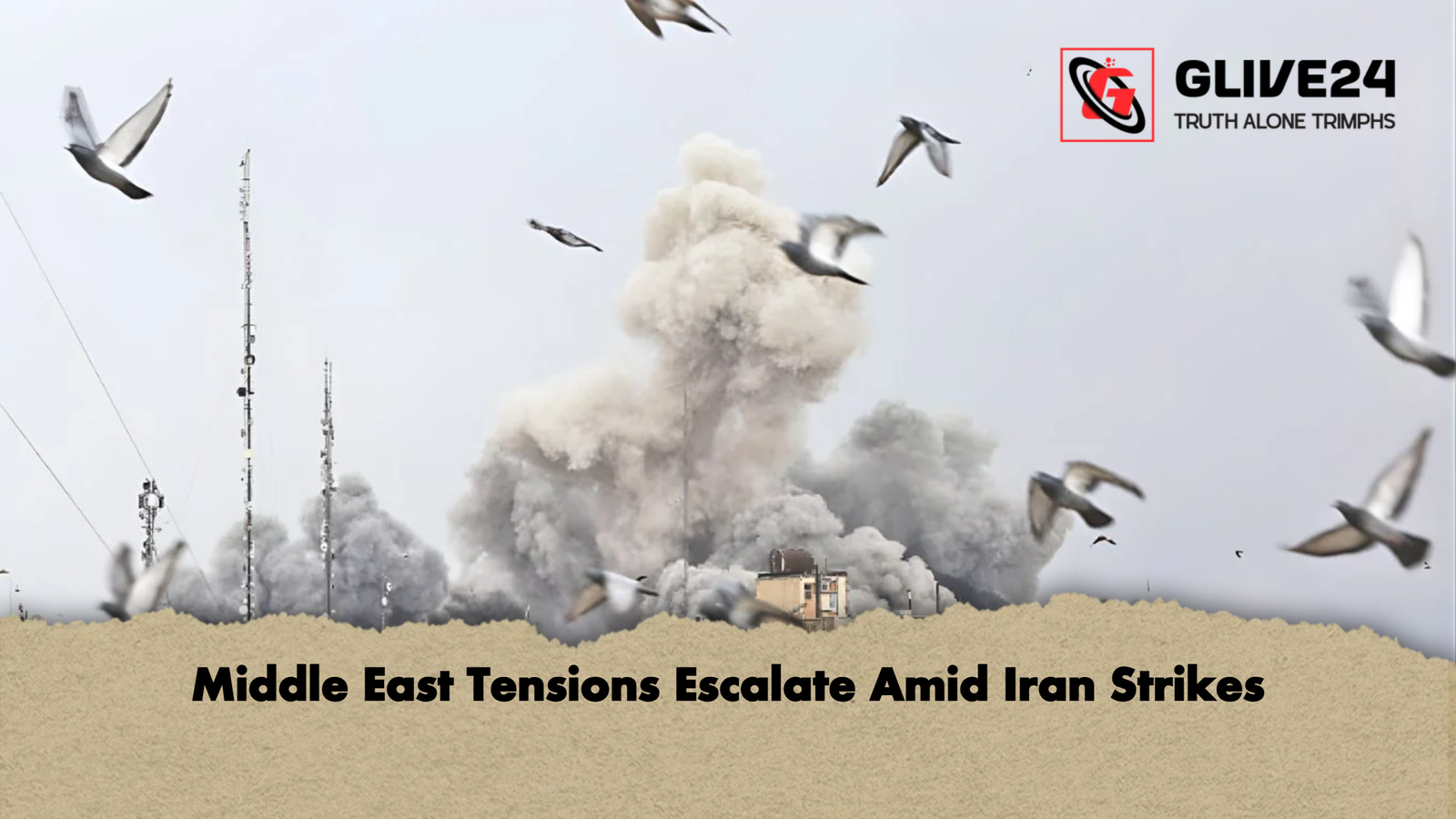
The recent military strikes by the United States and Israel targeting Iran have plunged the Middle East into unprecedented instability within just four days. Despite repeated calls from the international community for restraint and diplomatic engagement, hostilities continue unabated, leaving global audiences asking a single pressing question: how long will this conflict last?
The situation was further inflamed following the death of Iran’s Supreme Leader, Ayatollah Ali Khamenei. The announcement of his demise triggered a wave of national grief and anger across the country. In addition to declaring a period of official mourning, Tehran authorities reaffirmed their commitment to retaliate and to safeguard national sovereignty. Analysts warn that this incident is not only intensifying military tensions but may also have lasting repercussions on the regional balance of power and international diplomatic relations.
Global leaders have expressed varying estimates on the potential duration of the conflict. Initially, United States President Donald Trump suggested that the military campaign could conclude within weeks. Subsequent remarks, however, indicated he did not rule out a longer engagement. According to BBC, Trump stated that operations against Iran could continue “for a week or for as long as necessary.” In an interview with The New York Times, he elaborated that the United States and Israel could sustain military operations for four to five weeks at the current pace. Speaking to CNN, he reiterated a possible one-month timeframe while emphasising his preference against a protracted war.
Meanwhile, Israeli Prime Minister Benjamin Netanyahu maintained a cautiously optimistic stance, asserting that while the conflict may extend for a period, it is unlikely to drag on for years. Speaking on Fox News, Netanyahu said the operation could reach a swift and decisive conclusion, though it might require some time.
The table below summarises key leaders’ comments on the expected duration of hostilities:
| Leader | Country | Remarks on Duration |
|---|---|---|
| Donald Trump | United States | Approximately 4–5 weeks; potentially longer if required |
| Benjamin Netanyahu | Israel | Hopes for a swift resolution; not expected to be long-term |
Political analysts highlight that the trajectory of the conflict will largely depend on several critical factors: the intensity of Iran’s response, the involvement of regional allies, potential disruptions to energy supplies, and sustained international diplomatic pressure. Given that the Middle East is a pivotal hub for global energy markets, any protraction of the hostilities could have far-reaching consequences for the global economy.
At present, the situation remains shrouded in uncertainty. Without a significant escalation in diplomatic engagement alongside military posturing, there is no guarantee that the conflict will remain short-lived. The world watches with bated breath, hoping for a resolution through negotiation rather than prolonged warfare.