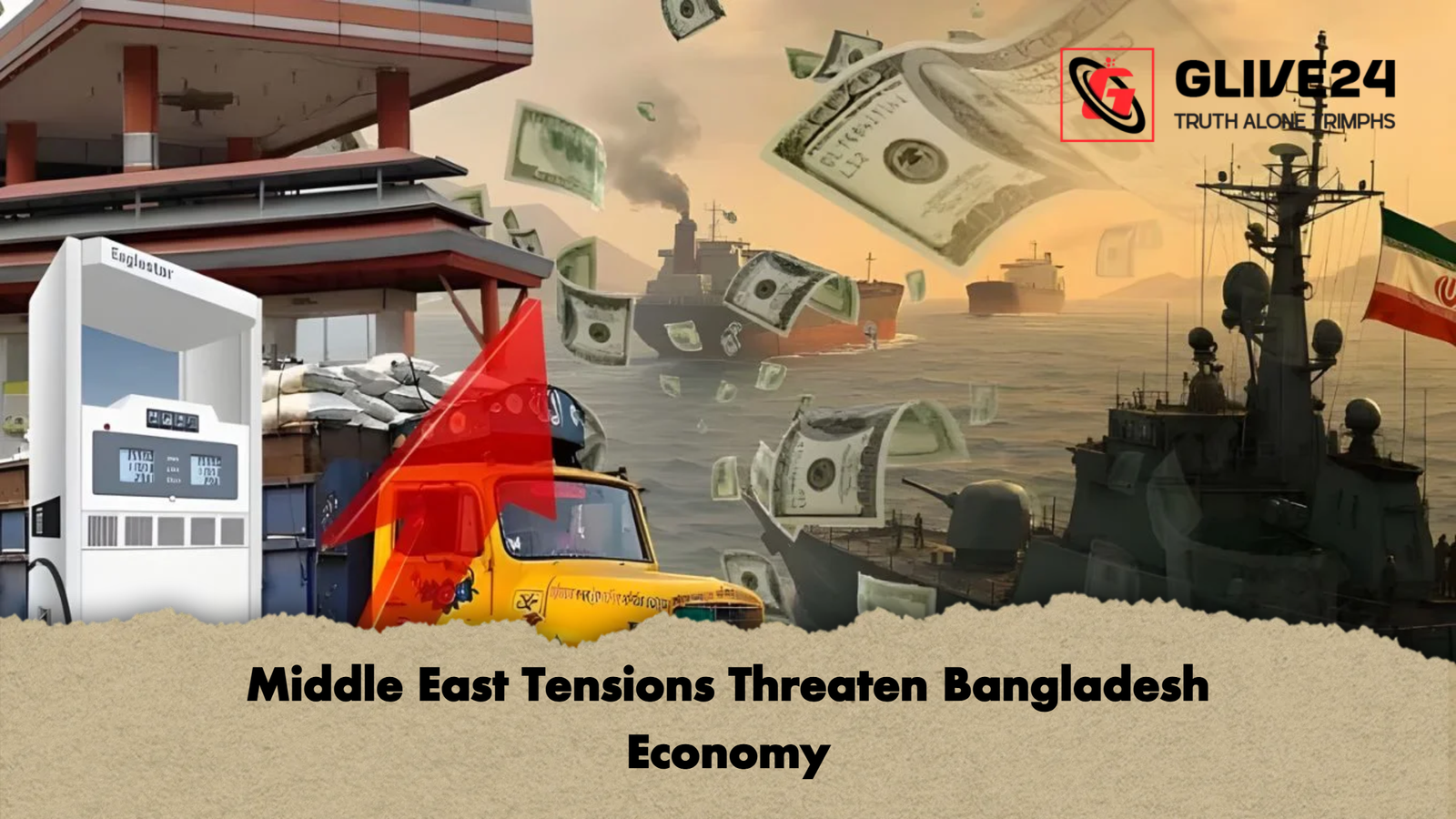
The ongoing tensions between Iran, the United States, and Israel in the Middle East are sending shockwaves far beyond regional borders, destabilising global energy markets and posing significant challenges to economies worldwide, including Bangladesh. Disruptions in the Strait of Hormuz, interruptions in crude oil and LNG supply, and rising global oil prices have created an immediate test for the newly formed Bangladeshi government, placing pressure on households, businesses, and investors alike.
Since the national parliamentary elections, the government led by Tarique Rahman, sworn in on 12 February, has assumed responsibility for controlling inflation, generating employment, reviewing trade agreements, and preparing the national budget. However, the escalation of conflict in the Middle East has emerged as an urgent economic challenge, potentially undermining these efforts.
The Strait of Hormuz is particularly critical: nearly 20% of the world’s oil passes through this narrow waterway. Any disruption here sends global oil prices sharply upward, directly increasing domestic inflation and straining the economy. Bangladesh imports most of its crude oil, LNG, and LPG, with a substantial portion sourced from the Middle East. Recently, Qatar Energy invoked a “force majeure,” suspending long-term LNG deliveries, exacerbating the country’s energy supply issues.
Middle East Conflict and Oil Market Impact
| Component | Current Price / Status | Comments |
|---|---|---|
| Brent Crude Oil | $87/barrel | Approximately 20% increase over the past week |
| Projected Price (if conflict persists) | $100–$150/barrel | May intensify inflation and budgetary pressures |
| LNG Supply | Disrupted | Qatar Energy’s “force majeure” declaration |
| Domestic Market Impact | Higher fuel prices, gas shortages | Petrol stations face supply constraints; fertiliser production affected |
To address the situation, the government has established a high-level committee chaired by Finance Minister Ameer Khasru Mahmud Chowdhury. The committee includes representatives from the Ministries of Finance, Power and Energy, Trade, Bangladesh Bank, Bangladesh Petroleum Corporation, and the Planning Commission.
Experts warn that if the Middle East conflict continues, energy shortages could exacerbate food and industrial production pressures, heighten inflation, and increase demands on foreign currency reserves, the national budget, and subsidies.
Selim Raihan, Executive Director of the South Asian Network on Economic Modelling (SANEM), cautioned: “An energy crisis affects all segments of society. It negatively impacts business, trade, and investment. Without a prompt response from the government, investment may be deferred, obstructing economic recovery.”
For Bangladesh, maintaining economic stability while managing the energy crisis has become a pressing priority. The government faces the delicate task of balancing domestic demand, global price volatility, and strategic planning to prevent a potential economic slowdown. The next few months will be critical in determining whether Bangladesh can shield its economy from the ripple effects of a protracted Middle East conflict.