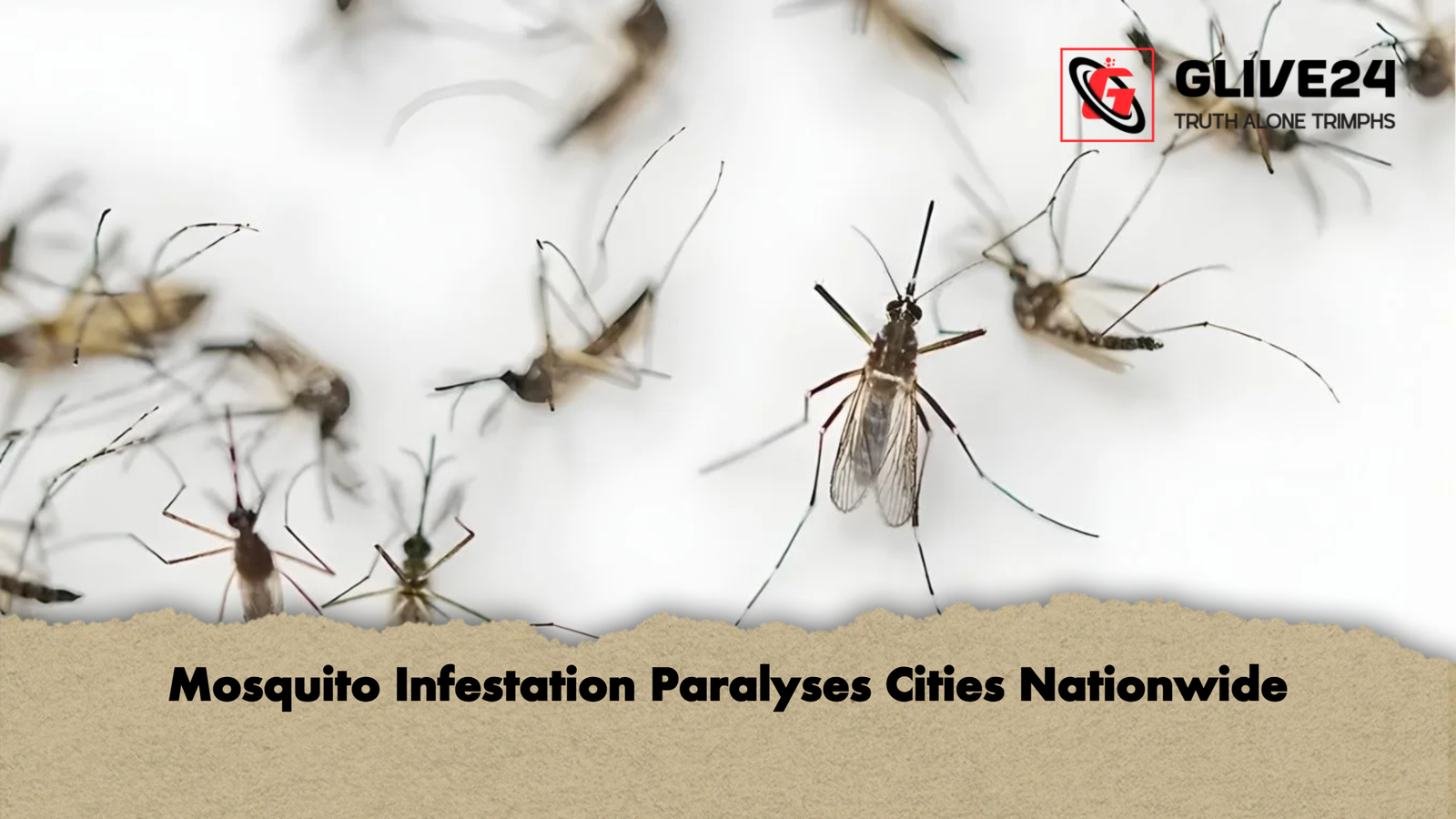
From the bustling streets of Dhaka to rural villages across Bangladesh, mosquito infestations have become an inescapable part of daily life. Residents report that the relentless swarm is affecting their health, work, and comfort, turning the once-manageable nuisance into a public health concern.
Bilal Hossain, who runs a tea stall at Tejgaon Truck Stand in Dhaka, said, “Even if we burn coils on both sides, the mosquitoes do not subside. Day and night, their bites force us to fidget and scratch constantly, wondering when and where the next bite will come.”
Badal Sutroder, a resident of Rokeya Sarani on Pirerbagh Road, added, “I have never seen so many mosquitoes in my life. The bites are itchy, and the lack of proper mosquito control in shops and homes makes it unsafe to stay indoors.”
The severity of this mosquito outbreak is not limited to Dhaka alone; it has spread to all city corporations, municipal towns, and villages nationwide.
Table of Contents
Legal Concerns and Administrative Lapses
Recently, a lawyer issued a legal notice to the Secretary of the Ministry of Local Government, Rural Development and Cooperatives, as well as to the Chief Executive Officer of Dhaka North City Corporation (DNCC), citing inadequate measures to control the mosquito surge. Despite sporadic fumigation and chemical spraying, these interventions remain insufficient, and their effectiveness is often questioned.
Air Commodore Md. Mahbubur Rahman Talukdar, Chief Waste Management Officer of Dhaka South City Corporation, explained, “We collect samples of mosquito control chemicals and send them to the Institute of Epidemiology, Disease Control and Research (IEDCR) to verify their effectiveness. Based on the results, further action will be taken.”
Expert Opinions
Professor Dr. Kabirul Bashar of the Department of Zoology at Jahangirnagar University commented, “A prolonged dry spell has left drains and water reservoirs stagnant, creating ideal breeding conditions for mosquitoes. If city corporations had maintained regular vector control, this crisis could have been mitigated.”
Mosquito-Borne Disease Statistics
| City | Mosquito-Borne Disease | Cases | Deaths | Notable Observations |
|---|---|---|---|---|
| Chattogram | Dengue | 6,338 | 48 | Larval density increased to 75.29% |
| Chattogram | Chikungunya | 3,683 | – | Control measures insufficient |
| Rajshahi | Dengue | 1,720 | 21 | Shortage of fogging machines & chemicals |
| Khulna | Dengue | 45 | – | Furnace oil unavailable |
| Sylhet | Dengue | 2 | – | Limited workforce and equipment |
| Rangpur | – | – | – | Chemicals ineffective, few machines |
| Mymensingh | – | – | – | Massive operations, little impact |
Additional City Updates
Sylhet: Workforce shortages limit mosquito control; Aedes larvae detected, increasing dengue risk.
Khulna: Irregular supply of adulticides and furnace oil has worsened infestations.
Rangpur: Limited fogging and ineffective chemicals fail to curb the problem.
Mymensingh: Despite intensive drives, mosquito numbers remain high.
Bogra & Comilla: Allocated resources are underutilised; many areas remain untreated.
Path Forward
Experts warn that failure to eliminate mosquito breeding grounds before the monsoon could exacerbate the situation. Coordinated action by city corporations, Upazila councils, and health authorities is crucial. Meanwhile, citizens rely heavily on personal protective measures at home and outdoors, given the inconsistent administrative response.
Without urgent and effective intervention, mosquito-borne diseases pose a serious health threat, and the ongoing infestation could disrupt normal life across multiple cities.