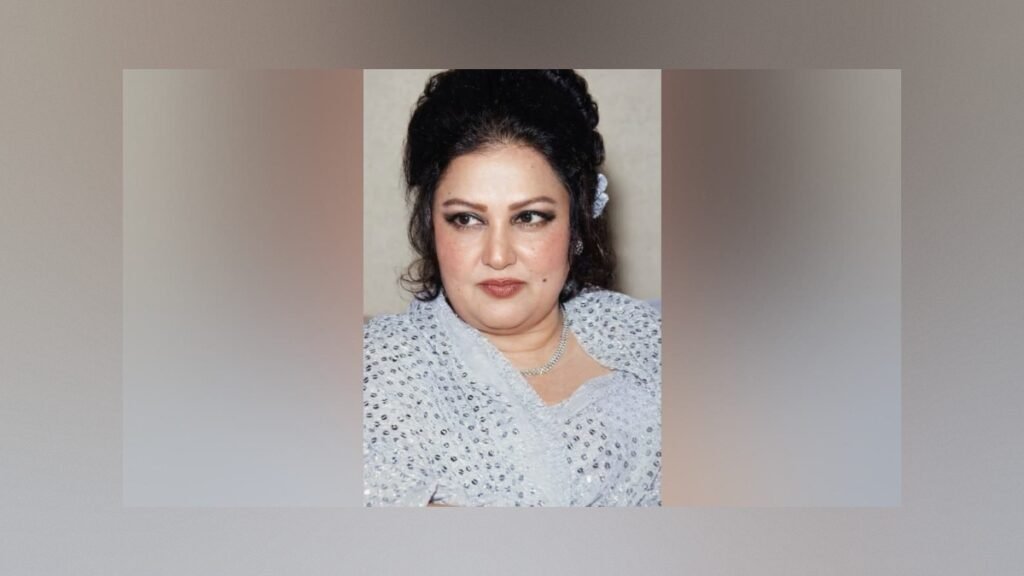
Few voices in South Asian music have carried the emotional weight, range and cultural influence of Malika-e-Tarannum Noor Jehan. Known widely as the ‘Queen of Melody’, she built a career that crossed the worlds of music and cinema, first in British India and later in Pakistan. Decades after her death, her recordings continue to hold a distinctive place in the region’s musical heritage.
Born Allah Rakhi Wasai on 21 September 1925 in Kasur, Punjab, then part of British India, Noor Jehan was one of 11 children of Imdad Ali and Fateh Bibi. She grew up in an environment where music was familiar, and her natural vocal ability became apparent at an early age. Singing and acting soon developed from childhood interests into the foundations of a remarkable professional career.
Noor Jehan began working in entertainment as a child performer, appearing in films while also developing her abilities as a singer. Over time, music became the central focus of her artistic life. Her career spanned the period before and after the creation of Pakistan in 1947, giving her a rare position in the cultural history of the subcontinent.
Her musical repertoire was exceptionally broad. She drew on elements of Hindustani classical music while establishing herself in ghazals, film songs, folk music and patriotic compositions. She recorded songs in several languages, including Urdu, Punjabi, Pashto, Sindhi and Persian. Estimates of the total number of songs she recorded vary between sources, but the sheer scale of her recorded work reflects the extraordinary length and breadth of her career.
Her contribution to cinema went well beyond singing. Noor Jehan was an actress and also became involved in film direction, making her one of the early women associated with directing in Pakistani cinema. Her work therefore extended across several aspects of filmmaking at a time when opportunities for women in the industry were far more limited than they are today.
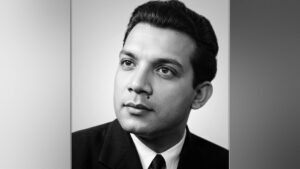
Her collaborations with other prominent singers also became part of Pakistan’s film-music history. Her duets with Ahmed Rushdi were particularly popular, bringing together two distinctive voices in performances that appealed to a wide film-going audience.
Recognition of Noor Jehan’s contribution came through a series of national honours. In 1965, she received the Pride of Performance award for her contribution to acting and music. During the India-Pakistan war that year, her patriotic songs became especially popular in Pakistan, strengthening her public association with patriotic music during a period of intense national emotion.
She subsequently received other state honours, including the Tamgha-e-Imtiaz and Sitara-e-Imtiaz. Her long contribution to music and cinema was also recognised through lifetime achievement honours at different stages.
Away from the spotlight, Noor Jehan’s personal life went through significant changes. She married Shaukat Hussain Rizvi in 1942, and the couple had three children. Their daughter Zile Huma later became a singer, following in her mother’s artistic footsteps. Noor Jehan and Rizvi divorced in 1953.
In 1959, she married Ejaz Durrani. They had three children, but their marriage also ended in divorce, in 1970. Through these personal changes, her professional career continued to develop, with music remaining the defining element of her public identity.
What distinguished Noor Jehan was not simply the strength of her voice but her ability to communicate emotion. Love, longing, separation, happiness and sorrow all found expression in her performances. She could give a song a sense of intimacy and immediacy, making listeners feel that the words were being delivered directly to them.
That quality helped her music survive changes in technology and audience taste. Her songs moved from gramophone records and radio broadcasts to cinema, recorded collections and, eventually, digital platforms. Each new medium gave later generations another opportunity to encounter her work.
Noor Jehan died on 23 December 2000. Her death marked the end of the life of one of the most recognisable figures in South Asian music and cinema. Yet her artistic legacy did not disappear with her.
Her recordings remain part of the musical memory of the region. Older listeners continue to associate her songs with a particular cultural era, while younger audiences encounter her through preserved recordings and renewed interest in classic South Asian music.
Noor Jehan was more than a celebrated singer. She was an actress, filmmaker and an influential cultural figure whose career developed alongside major changes in the subcontinent’s history. Her ability to move across musical styles, languages and artistic forms gave her a reach that few performers of her generation could match.
Her voice fell silent in 2000, but the music she left behind continues to travel across generations. In recordings, films and the memories of listeners, Noor Jehan remains an enduring presence—a defining voice of South Asian music whose artistic legacy continues to resonate.