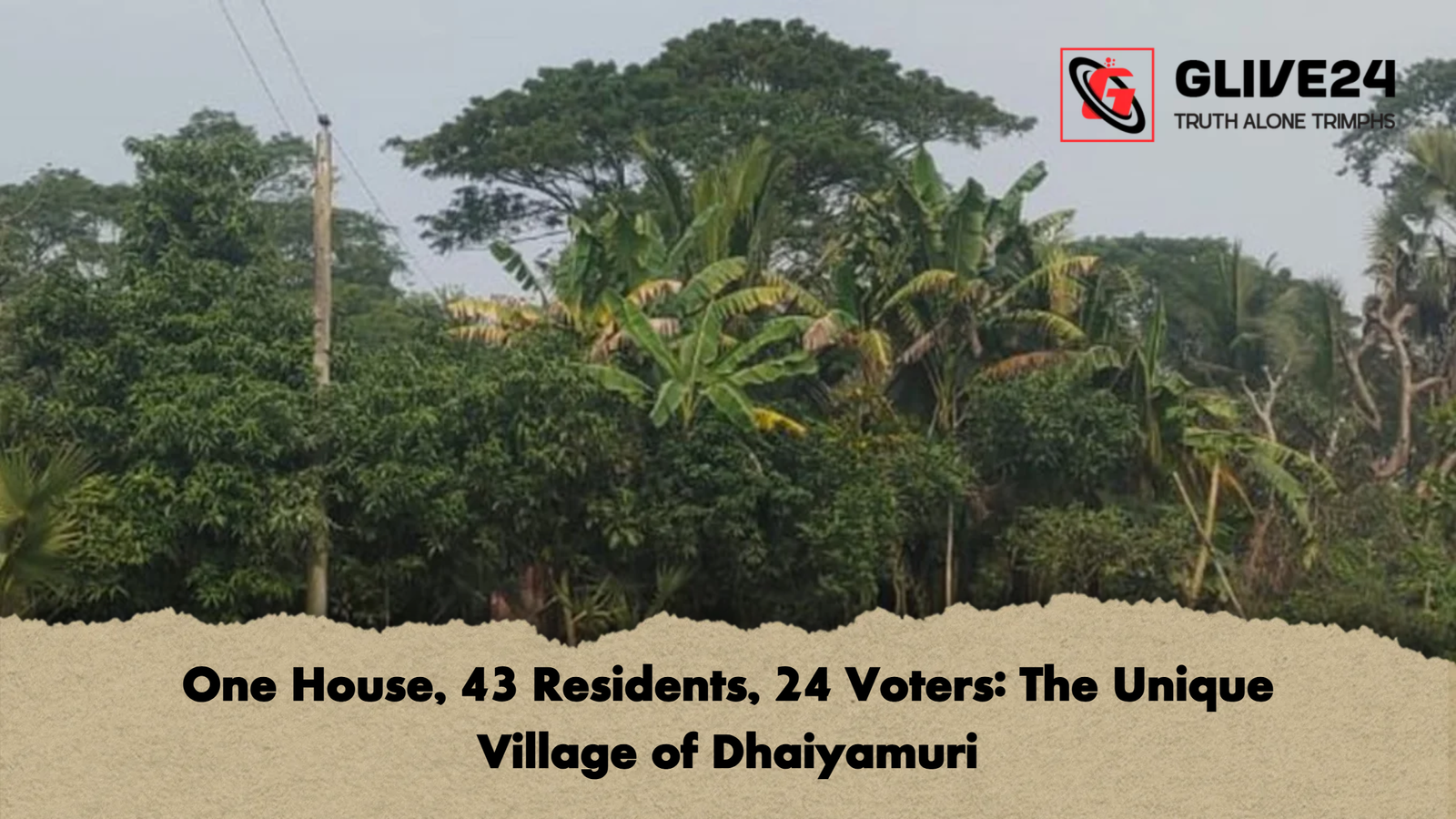
In the heart of Chandpur’s Kachua Upazila lies a remarkably small village, Dhaiyamuri, known locally as part of the Majhigacha community. A century ago, the village was established by a single family. Today, it remains tiny, home to just 43 residents, of whom 24 are registered voters.
The village is situated approximately 11 kilometres northwest of the Upazila headquarters, within Ward 7 of 3 No. Bitara Union. Dhaiyamuri occupies the eastern-southern section of Majhigacha, surrounded by fertile farmland and lush greenery. Despite its picturesque setting, the village is largely isolated and underdeveloped, with no formal road access, forcing residents to traverse muddy terrain and floodwaters for over six months each year. During the monsoon season, boats become the village’s sole means of transportation.
| Aspect | Details |
|---|---|
| Upazila | Kachua |
| Union | 3 No. Bitara |
| Ward | 7 |
| Location | Eastern-southern part of Majhigacha village |
| Population | 43 (8 families) |
| Voters | 24 |
| Neighbouring villages | North: Majhigacha, South: Jugichap, East: Teguria |
| Key issues | Lack of roads, limited access to schools and services |
The eight families of Dhaiyamuri include parents, children, and grandchildren, but the absence of infrastructure has significantly affected education and opportunities. Villagers, including Amin Molla, Salam Molla, Ismail Molla, Shaheen Molla, and Shiuli Begum, expressed concern that many young people are leaving for the cities in search of better prospects. They emphasised that while the village has no school, madrasa, mosque, or maktab, the primary challenge remains its lack of roads.
“Since our birth, no minister, MP, Upazila chairman, or Union Parishad chairman has ever visited this village,” explained one resident. “Occasionally, candidates for local elections make promises from afar, but these are rarely fulfilled. Despite opportunities over the decades, no road has been built.”
Authorities have taken note. Md. Rakibul Islam, Administrator of Bitara Union Parishad, stated, “We were previously unaware of this village. We will conduct on-site assessments and implement development initiatives.” Likewise, the Upazila Executive Officer, Mahmudul Hasan Rasel, added, “As a new officer in the Upazila, I will consult with the locals and support the construction of a road.”
Dhaiyamuri’s story reflects the contrasts of rural Bangladesh: enduring community spirit amidst neglect, scenic surroundings shadowed by infrastructural deprivation, and a pressing need for connectivity that could transform the lives of its residents.