Pakistan has declared a temporary five-day suspension of military operations against Afghanistan, coinciding with the conclusion of the holy month of Ramadan. The announcement comes amid escalating tensions following a deadly airstrike on a drug rehabilitation centre in Kabul earlier this week.
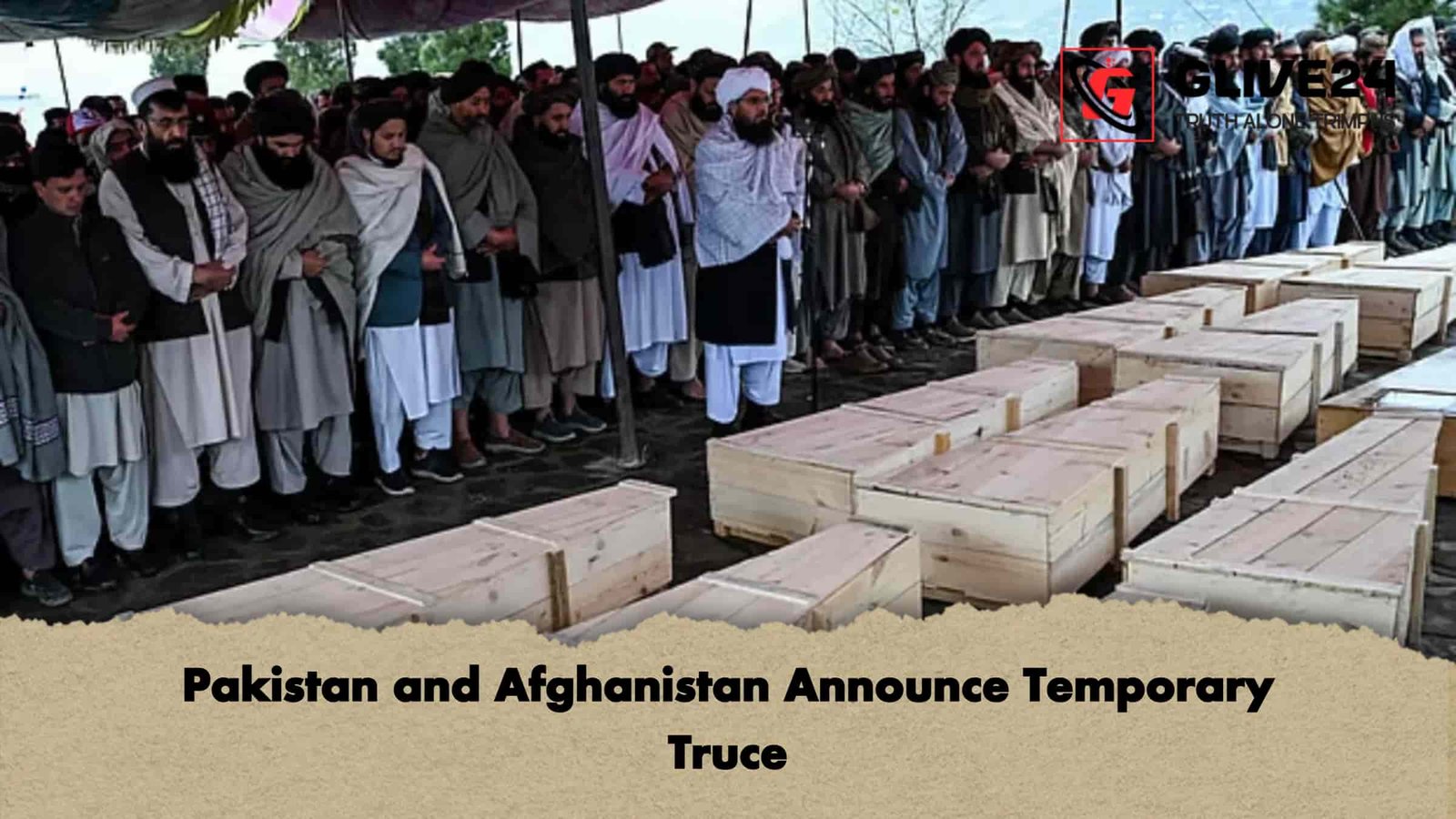
The attack, which took place on Monday at the Omid Drug Rehabilitation Hospital in Kabul, resulted in substantial loss of life. The Afghan Taliban government reported that more than 400 people were killed and 265 injured. Funerals for some of the victims were held on Wednesday, illustrating the human cost of the incident.
| Date | Location | Casualties | Details |
|---|---|---|---|
| 18 March | Omid Drug Rehabilitation Hospital, Kabul | 400+ killed, 265 injured | Targeted in an airstrike; largest single-incident casualty toll in recent fighting |
Pakistan has insisted that the rehabilitation centre was not deliberately targeted. Authorities stated that their operations focus exclusively on military installations and extremist infrastructure. Islamabad has long alleged that militant groups frequently cross the border to launch attacks in Pakistan, and accuses the Afghan Taliban government of providing safe havens to these groups.
Information Minister Ataullah Tarar confirmed on Wednesday night via social media that military operations against Afghanistan would be suspended from midnight Wednesday to midnight Monday. He noted that the decision was made following appeals from “brotherly Muslim countries” including Saudi Arabia, Qatar, and Turkey, in recognition of the religious significance of Ramadan’s end.
Tarar also warned that the pause in operations is conditional. “Any cross-border attacks, drone strikes, or terrorist incidents within Pakistan will result in the immediate resumption of military action against Afghanistan,” he said.
Afghanistan’s Taliban government reciprocated by announcing a temporary suspension of military operations against Pakistan. Taliban spokesperson Zabihullah Mujahid confirmed the move, signalling a mutual effort to reduce tensions and civilian casualties during this sensitive period.
The current conflict stems from a shift in relations between the two countries. Once allied, Pakistan and Afghanistan became adversaries following Islamabad’s accusations that Kabul harboured militants responsible for attacks in Pakistan. Tensions had eased previously through mediation by China and other international actors but escalated last month when Pakistan expanded its strikes to target Taliban positions inside Afghanistan, beyond previous border-focused operations.
Observers suggest that this temporary truce provides a window for de-escalation, but warn that the situation remains fragile, with the potential for renewed hostilities if provocations occur.