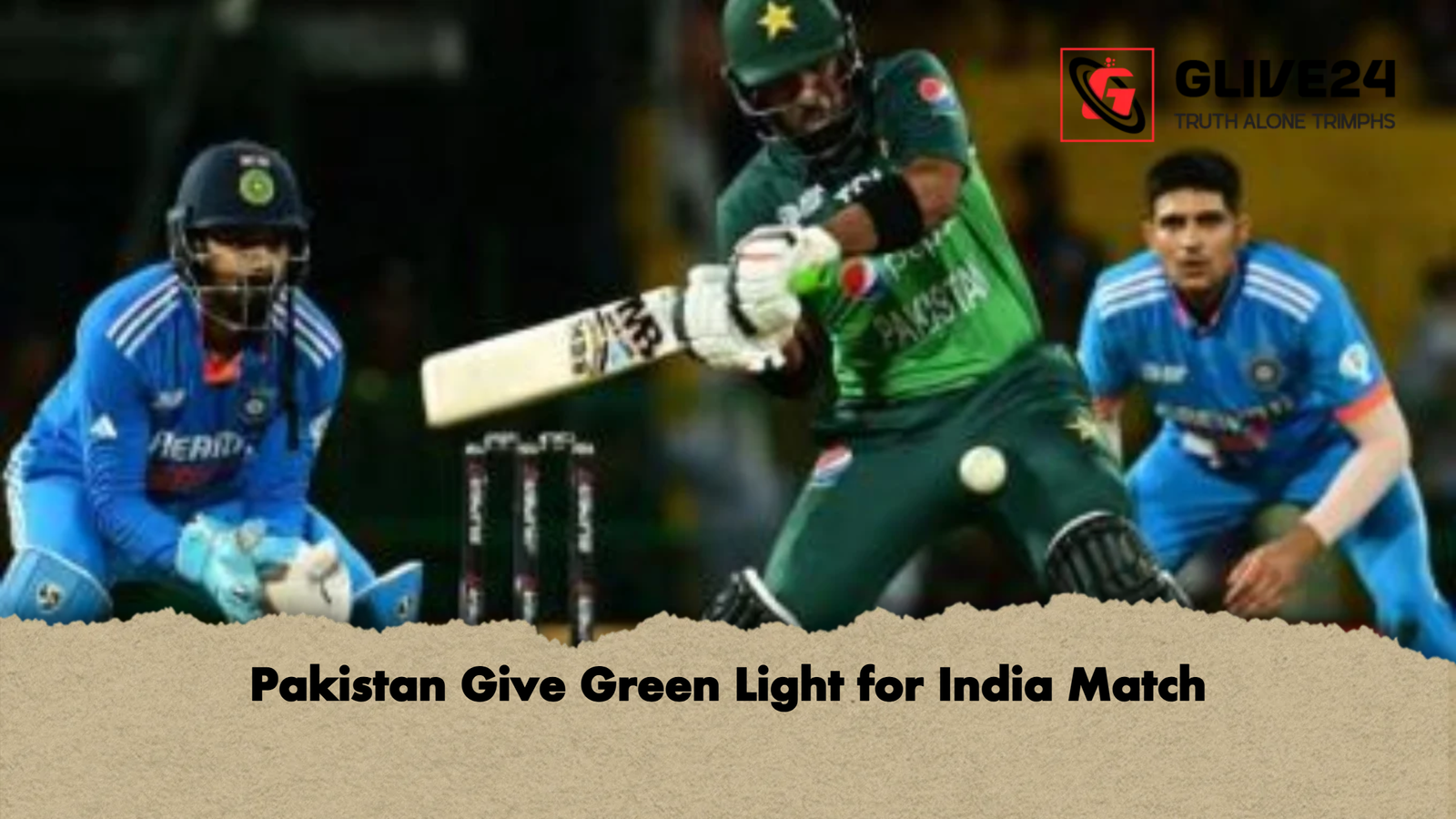
A protracted impasse between the International Cricket Council (ICC) and the Pakistan Cricket Board (PCB) has finally been resolved, clearing the way for Pakistan to face India in the forthcoming ICC T20 World Cup. After days of uncertainty and intense behind-the-scenes negotiations, the Pakistani government has formally approved the team’s participation in the highly anticipated fixture scheduled for 15 February.
The PCB had earlier signalled hesitation over the match amid administrative and diplomatic considerations. However, following appeals from friendly nations and sustained dialogue among cricketing authorities, the board reversed its initial stance. The decision was confirmed through an official statement issued by the Pakistani government on X (formerly Twitter).
The breakthrough came after a lengthy tripartite meeting held in Lahore on Sunday, attended by representatives from the ICC, the PCB and the Bangladesh Cricket Board (BCB). Discussions reportedly covered tournament logistics, security arrangements, commercial obligations and broader diplomatic sensitivities. Following the meeting, the matter was escalated to Pakistan’s Prime Minister, Shehbaz Sharif, for final approval.
According to media reports, including those cited by NDTV, while there had been tacit support within Pakistan for playing the match, PCB Chairman Mohsin Naqvi maintained that the ultimate decision rested with the Prime Minister. Shortly after midnight (Bangladesh time) on Monday, confirmation emerged that Prime Minister Sharif had granted formal clearance for the team to proceed.
Major Financial Stakes
The potential cancellation of the India–Pakistan fixture had raised alarm within cricketing and commercial circles. Industry analysts estimated that scrapping the match could have resulted in losses of approximately $500 million (£390 million), given the enormous global audience and commercial value attached to encounters between the two rivals.
Below is an illustrative breakdown of the projected financial implications:
| Revenue Stream | Estimated Impact (USD million) |
|---|---|
| Global Broadcasting Rights | 220 |
| Sponsorship and Advertising | 150 |
| Ticketing and Hospitality | 80 |
| Ancillary Commercial Agreements | 50 |
| Total Estimated Exposure | 500 |
India–Pakistan matches are widely regarded as the marquee events of ICC tournaments, often drawing television audiences exceeding hundreds of millions worldwide. Advertising slots during such matches command premium rates, and host cities benefit significantly from tourism and hospitality revenues.
Beyond the financial dimension, the fixture carries immense symbolic weight. Bilateral cricket between the two nations has been largely suspended for years due to political tensions, making ICC events one of the few occasions on which the sides meet. As such, the World Cup encounter is viewed not only as a sporting contest but also as a moment of intense regional interest and global scrutiny.
With the uncertainty now dispelled, attention turns to preparations on the field. Both teams are expected to finalise their tactical plans in the coming days, as anticipation builds for what promises to be one of the most closely watched matches of the tournament.