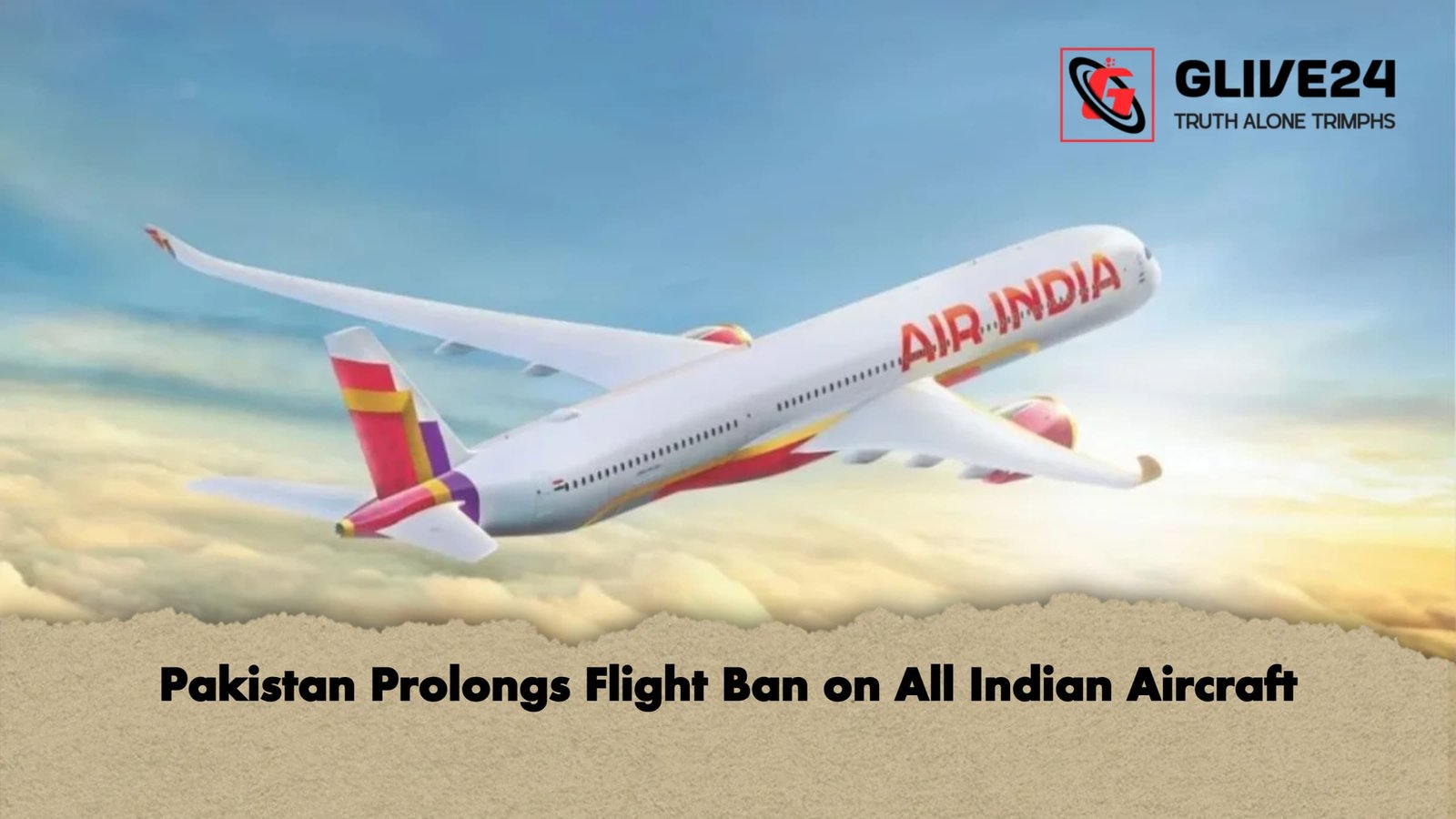
The diplomatic standoff between Islamabad and New Delhi has intensified as Pakistan officially extended its comprehensive ban on the use of its airspace by Indian-registered aircraft. According to a directive issued by the Pakistan Airports Authority (PAA) on Tuesday, 20 January 2026, the restrictive measures—which have severely disrupted regional aviation—will now remain in effect until at least 05:00 PKT on 24 February 2026.
Table of Contents
Escalating Tensions and the Water Dispute
The current rift was triggered by a significant security breach in Pahalgam, located in Indian-administered Jammu and Kashmir. The subsequent diplomatic friction led India to take the drastic step of suspending the Indus Waters Treaty, a move that Pakistan interpreted as a threat to its essential water security.
In a retaliatory “tit-for-tat” manoeuvre, Pakistan closed its corridors to Indian aviation nine months ago. This prompted India to reciprocate on 30 April, effectively banning Pakistani carriers from Indian skies. The extension of the ban indicates that neither side is currently prepared to engage in de-escalation talks.
Historical Comparison: Indo-Pak Airspace Closures
| Year | Primary Trigger | Duration | Impact |
| 1999 | Kargil Conflict | Several Months | Total suspension of bilateral flights. |
| 2019 | Pulwama/Balakot Crisis | ~5 Months | Significant rerouting for West-bound flights. |
| 2025–26 | Pahalgam & Water Treaty | Ongoing | Closure includes all leased & military craft. |
Comprehensive Scope of the Ban
The PAA has made it clear that the restriction is an absolute prohibition. The ban is not limited to state-owned carriers but covers every tier of Indian aviation. Specifically, the mandate affects:
Commercial Carriers: All scheduled passenger flights registered in India.
Leased Aircraft: Any aircraft, regardless of registration, that is currently being leased by an Indian operator.
Military & State Craft: All non-civilian and government-operated flights.
Private Aviation: Corporate jets and private charters.
Economic and Operational Consequences
The closure of this vital corridor has profound implications for the global aviation industry. Indian carriers flying to Europe, North America, and the Middle East are forced to bypass Pakistani airspace, typically by flying south over the Arabian Sea. This rerouting adds approximately 60 to 90 minutes of flight time, leading to a substantial increase in fuel consumption and operational costs.
Furthermore, international airlines from third countries often find themselves caught in the middle of this regional dispute, as they must adjust their flight paths to avoid the escalating “no-fly” zones. Historically, such bans have only been lifted after significant high-level diplomatic interventions—a prospect that currently appears distant given the ongoing disagreement over the Indus Waters Treaty.
The PAA stated that this decision merely continues the status quo established nine months ago, reinforcing the “closed-door” policy that has defined the subcontinent’s aviation since the Pahalgam crisis.