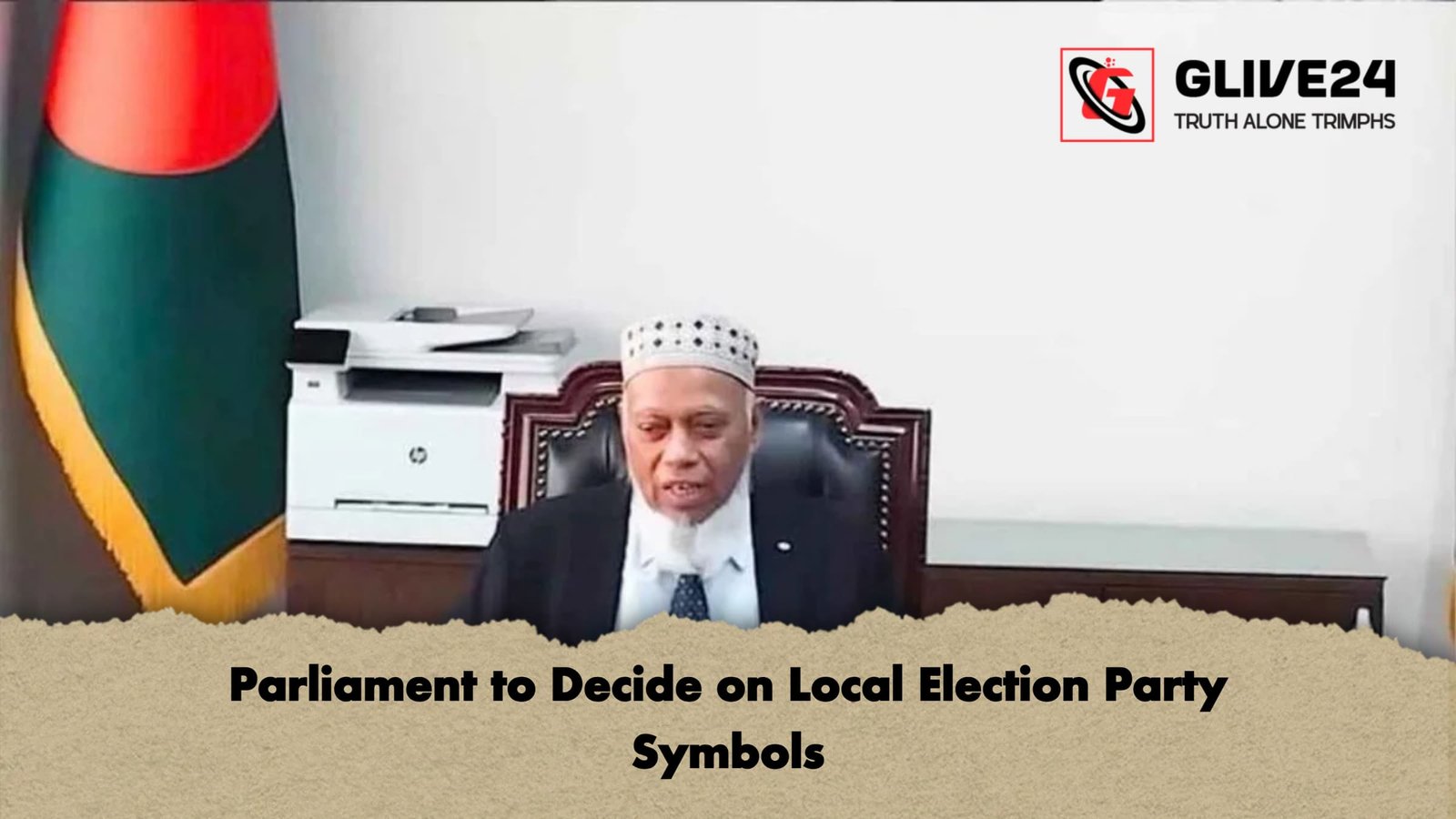
As Bangladesh transitions into a new political era following the 13th General Election, the focus of the national discourse has shifted towards the structure of local government polls. The central question currently captivating the public and political analysts alike is whether the upcoming City Corporation elections will retain the party-line nomination system or return to the traditional non-partisan format.
Table of Contents
Legislative Sovereignty Over Electoral Rules
The Election Commission (EC) has clarified that the final decision rests entirely with the National Parliament. On Sunday, 22 February 2026, Election Commissioner Abdur Rahmanel Masud addressed the media, noting that while an ordinance had previously been drafted to remove party symbols from mayoral races, its permanence depends on legislative ratification.
With the Bangladesh Nationalist Party (BNP) currently holding a two-thirds majority in the House, the government possesses the legislative weight to either uphold the ordinance or revert to previous statutes. “The matter is now in the hands of the sovereign Parliament,” Commissioner Masud explained. “If the ordinance is ratified during the upcoming session, we shall proceed accordingly. Should the MPs choose to restore the old system, the EC will adapt its operational roadmap.”
The Road to Reserved Seats
In addition to the debate over mayoral symbols, the Election Commission confirmed that the process for electing members to the reserved seats for women is effectively underway. Under the current constitutional framework, political parties are allocated these seats in proportion to their representation in Parliament.
The Commissioner highlighted the following key points regarding this process:
Nominations: Represented parties have already begun internal vetting for their nominees.
Constitutional Deadline: The EC is legally mandated to complete these elections within 90 days of the Members of Parliament taking their oaths.
Procedure: Given the proportional representation system, the candidates nominated by the leading parties are generally elected unopposed once their credentials are verified.
Key Timelines and Legislative Milestones
The upcoming parliamentary session, scheduled for early March, is expected to be a watershed moment for electoral reform. The table below outlines the critical factors currently under review:
| Subject Matter | Current Mechanism | Proposed/Potential Change | Decision Authority |
| Mayoral Elections | Party-based (Ordinance) | Non-partisan (Independent) | National Parliament |
| Reserved Women’s Seats | Proportional Allocation | To be completed within 90 days | Election Commission |
| Parliamentary Majority | BNP (Two-thirds) | N/A | Electors |
| Legal Framework | Ordinance | Statutory Act (if ratified) | Ministry of Law |
A Period of Strategic Waiting
The Election Commission has adopted a “wait and see” approach, acknowledging that it cannot finalise the conduct of local polls until the legislative dust settles. For the citizenry, the outcome of these debates will determine the degree of political influence in local governance. A return to non-partisan elections is viewed by some as a way to reduce grassroots polarisation, while proponents of the party-based system argue it strengthens political accountability.
As the 12 March parliamentary session approaches, all eyes will be on the Treasury Bench to see how they wield their majority in shaping the future of Bangladeshi democracy at the municipal level.