
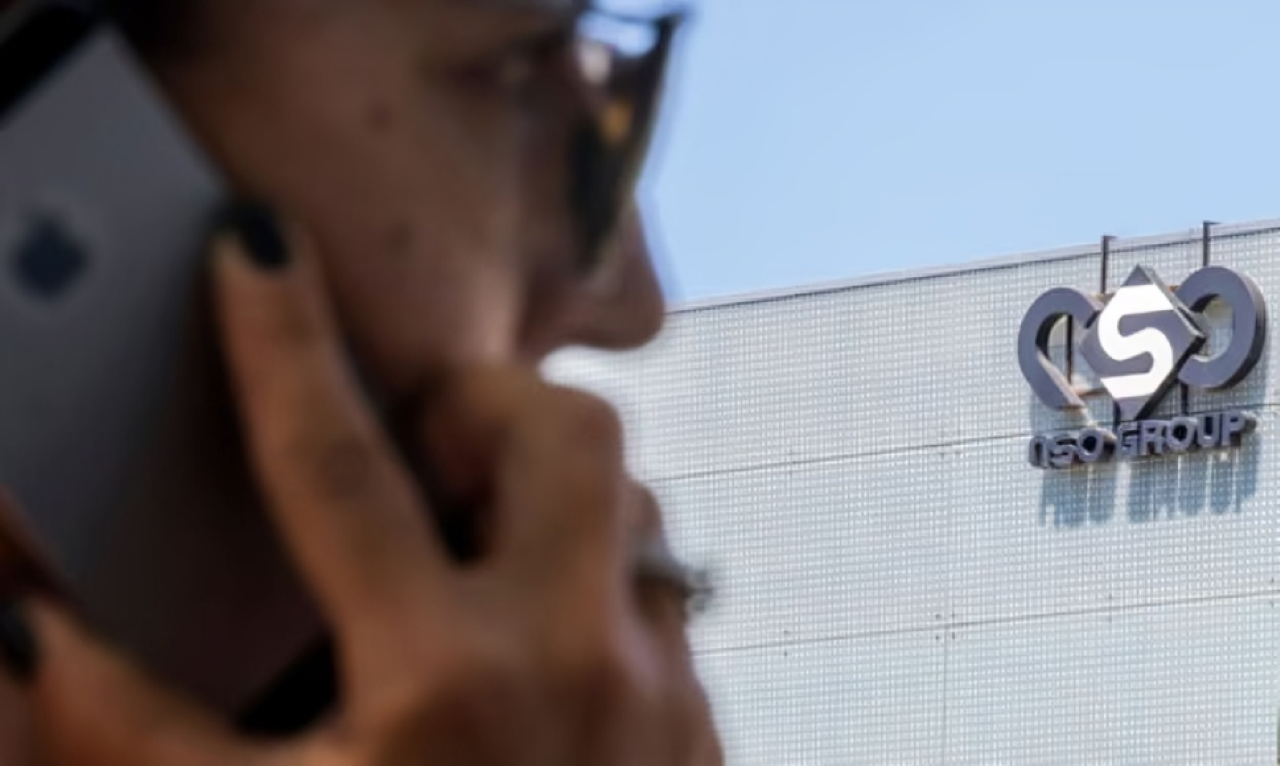
French intelligence authorities have formally confirmed that Pegasus spyware was detected on the mobile phones of three French journalists, marking the first time an independent official body has corroborated findings linked to the global Pegasus Project investigation. Among those affected is a senior journalist from France 24, the country’s state-funded international news broadcaster.
The confirmation was issued by ANSSI (Agence nationale de la sécurité des systèmes d’information), France’s national cybersecurity agency. Its findings were submitted to the Paris public prosecutor’s office, which is overseeing a judicial investigation into alleged illegal surveillance and hacking.
This development represents a significant turning point in the Pegasus scandal, lending institutional credibility to earlier reporting by the Pegasus Project, a consortium of 17 international media organisations, including The Guardian, working in collaboration with Forbidden Stories and Amnesty International.
Table of Contents
Background: The Pegasus Project
The investigation stems from a leaked database of more than 50,000 phone numbers, believed to have been selected since 2016 by government clients of NSO Group, the Israeli cyber-intelligence firm that developed Pegasus. While inclusion on the list does not automatically confirm infection, forensic analysis by Amnesty International’s Security Lab found evidence of Pegasus activity on multiple devices worldwide.
Access to the list was first obtained by Forbidden Stories, a Paris-based non-profit journalism organisation, which then coordinated with international media partners to analyse and verify the data.
Journalists Identified in France
According to reporting by The Guardian and Le Monde, ANSSI detected digital traces consistent with Pegasus spyware on the phone of a France 24 journalist based in Paris. In addition, the mobile phones of Lénaïg Bredoux, an investigative reporter at Mediapart, and Edwy Plenel, the publication’s co-founder and director, were examined as part of the investigation.
Le Monde reported that forensic experts identified three separate attempts to deploy Pegasus against the France 24 journalist’s device, occurring in:
- May 2019
- September 2020
- January 2021
At least 180 journalists worldwide are believed to have been identified as potential targets by NSO Group’s government clients, according to Forbidden Stories.
Reaction from France 24
A source within France 24 described the newsroom’s response as one of shock and outrage.
“We are dumbfounded and furious that journalists could be the target of surveillance,” the source said. “We will not accept this lying down. Legal action will follow.”
The revelation has intensified concerns about press freedom and state surveillance, particularly in democratic societies that publicly commit to protecting journalists.
Key Facts at a Glance
| Item | Details |
|---|---|
| Spyware | Pegasus |
| Developer | NSO Group (Israel) |
| Confirming authority | ANSSI (France) |
| Journalists affected (France) | At least 3 |
| Media outlets involved | France 24, Mediapart |
| Surveillance periods | 2019–2021 |
| Global journalist targets | ~180 |
| Investigation led by | Paris prosecutor |
Wider Implications
The French confirmation adds weight to international calls for tighter regulation of commercial spyware. Pegasus has previously been linked to surveillance of politicians, lawyers, activists, and journalists across multiple continents, often in countries with questionable human rights records.
NSO Group has repeatedly denied wrongdoing, stating that Pegasus is sold only to governments for the purpose of combating terrorism and serious crime. However, mounting forensic evidence and official confirmations such as France’s have intensified scrutiny of the firm and its clients.
As the investigation continues, the case is likely to become a landmark moment in debates over digital surveillance, press freedom, and accountability in the age of cyber-espionage.