
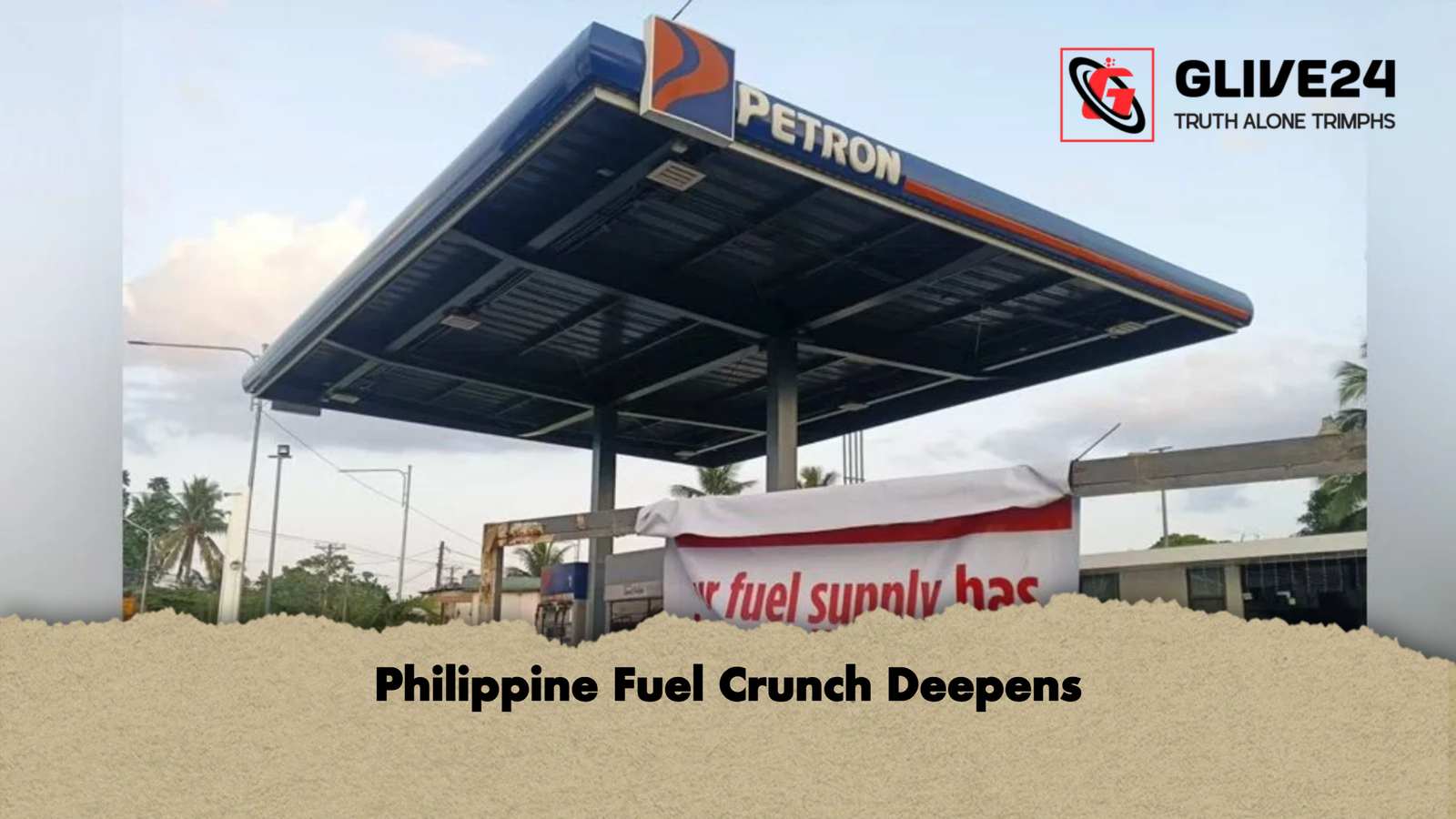
A surge in geopolitical tensions centred on the Middle East has sent shockwaves through the global energy market, triggering widespread volatility with tangible consequences for import-dependent economies. Among the hardest hit is Philippines, where a mounting fuel crisis is disrupting daily life and economic activity.
The الأزمة stems from supply chain disruptions, escalating transportation costs, and persistent uncertainty in international oil markets. Since late February, these pressures have intensified, culminating in the temporary closure of hundreds of fuel stations across the country. According to official monitoring agencies, as of Monday, 30 March, a total of 365 petrol stations have ceased operations, largely due to an inability to secure adequate fuel supplies or cope with soaring wholesale prices.
Observations by Philippine National Police corroborate these findings, highlighting the widespread nature of the disruption. Smaller, independent fuel retailers appear particularly vulnerable, lacking the financial resilience to absorb rapid cost increases or sustain prolonged supply shortages.
Energy analysts note that the crisis can be traced back to escalating conflict that began on 28 February, which led to a sharp spike in global crude oil prices. For a country heavily reliant on imported fuel, such as the Philippines, the impact has been severe. Retail fuel prices have more than doubled in a matter of weeks, significantly increasing the cost of living for ordinary citizens.
The transport sector has borne the brunt of the crisis. Public transport fares have risen sharply, placing additional strain on commuters already grappling with inflationary pressures. Meanwhile, the agricultural and industrial sectors face growing risks of disruption. Fuel shortages are slowing production processes, threatening supply chains and potentially leading to reduced output in key industries.
In response, the government has initiated a series of emergency measures. These include exploring alternative energy sources, strengthening strategic fuel reserves, and engaging in urgent discussions with international partners to secure additional supply. However, experts caution that such measures may offer only limited relief unless global market conditions stabilise.
Below is a summary of the current situation:
| Indicator | Details |
|---|---|
| Petrol stations closed | 365 |
| Crisis onset | 28 February |
| Fuel price increase | More than doubled |
| Most affected sectors | Transport, agriculture, industry |
Overall, the fuel crisis is exerting profound economic and social pressure across the Philippines. If the situation persists, analysts warn of deeper repercussions, including prolonged inflation, reduced industrial productivity, and heightened public discontent. The trajectory of the الأزمة will largely depend on developments in the global energy market, which remains highly unpredictable.