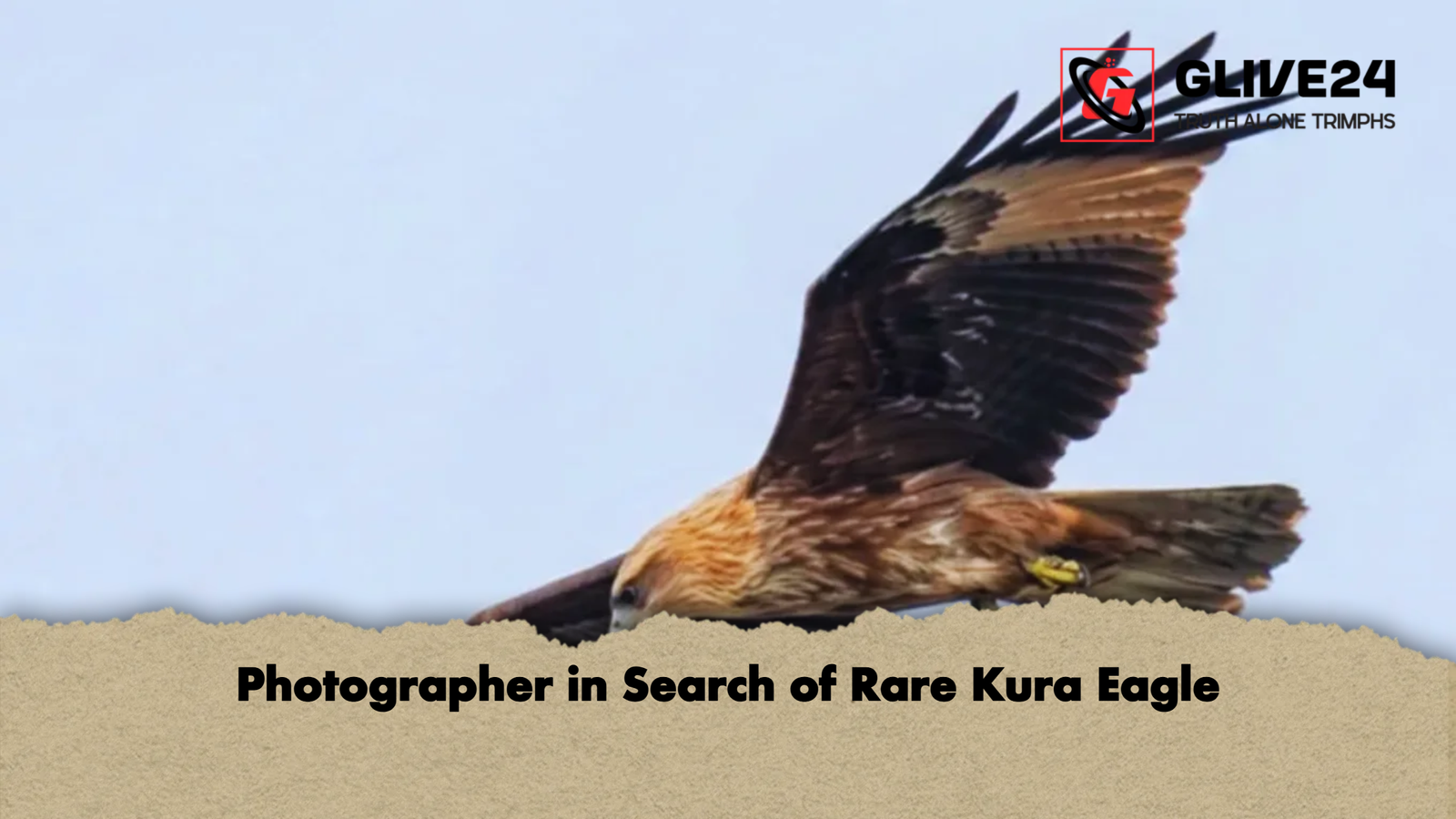
Known colloquially as the “pirate of the skies” for its opportunistic habit of snatching prey from other birds, the Pallas’s fish eagle—locally called the kura eagle—remains one of the rarest and most enigmatic raptors in South Asia. With its commanding presence, keen eyesight, and remarkable hunting skills, this bird occupies a distinctive niche within wetland ecosystems. Yet, despite its wide historical range, sightings today are exceptionally scarce, particularly in Bangladesh, where it is now regarded as critically endangered at the national level.
Belonging to the Accipitridae family, the species is also known by regional names such as ba-ol, kurra, or kuror. International conservation authorities classify it as Endangered, reflecting a steady decline in its global population. Within Bangladesh, experts estimate that only between 50 and 100 individuals remain, making every confirmed sighting significant for both conservationists and wildlife enthusiasts.
It was against this backdrop that wildlife photographer Rana Masud embarked on a demanding journey in search of rare avian subjects. Travelling from Rangpur to the forested landscapes of Satchari National Park in Habiganj, he hoped to document elusive species. Fortune favoured persistence: during his expedition, he unexpectedly encountered and photographed the kura eagle, capturing a fleeting moment that many spend years pursuing.
Masud reflects that behind every compelling wildlife photograph lies a story of repeated failure, endurance, and patience. Unlike controlled environments, wild animals do not appear on cue; the photographer must instead adapt to nature’s rhythms. Achieving a single frame often requires days—if not weeks—of waiting, observation, and physical hardship.
His efforts were further intensified by the timing of the expedition during Ramadan. Observing the fast, he spent long hours from dawn to dusk deep within forest terrain. On several occasions, he broke his fast with little more than water and dates before resuming his search. Later, in the wetlands of Baikka Beel in Srimangal, conditions became even more challenging. Under intense heat and mounting fatigue, he continued to wait for the perfect opportunity, despite deteriorating health.
Eventually, illness forced his companions to urge him to rest. Although he could not secure images of all his target species, Masud regards his photograph of the kura eagle as a “lifer”—a prized, often once-in-a-lifetime achievement in wildlife photography.
Below is a summary of key information about the species:
| Category | Details |
|---|---|
| Scientific Family | Accipitridae |
| Common Names | Kura Eagle, Pallas’s Fish Eagle |
| Conservation Status (Global) | Endangered |
| Status in Bangladesh | Critically Endangered |
| Estimated Population (Bangladesh) | 50–100 individuals |
| Habitat | Rivers, wetlands, haor regions |
| Diet | Fish and small aquatic animals |
Masud’s experience underscores a broader truth about wildlife photography: it is not merely a pursuit of images, but a test of resilience and devotion. Each photograph represents not just technical skill, but a profound connection with nature—one that rewards perseverance with moments of rare and enduring beauty.