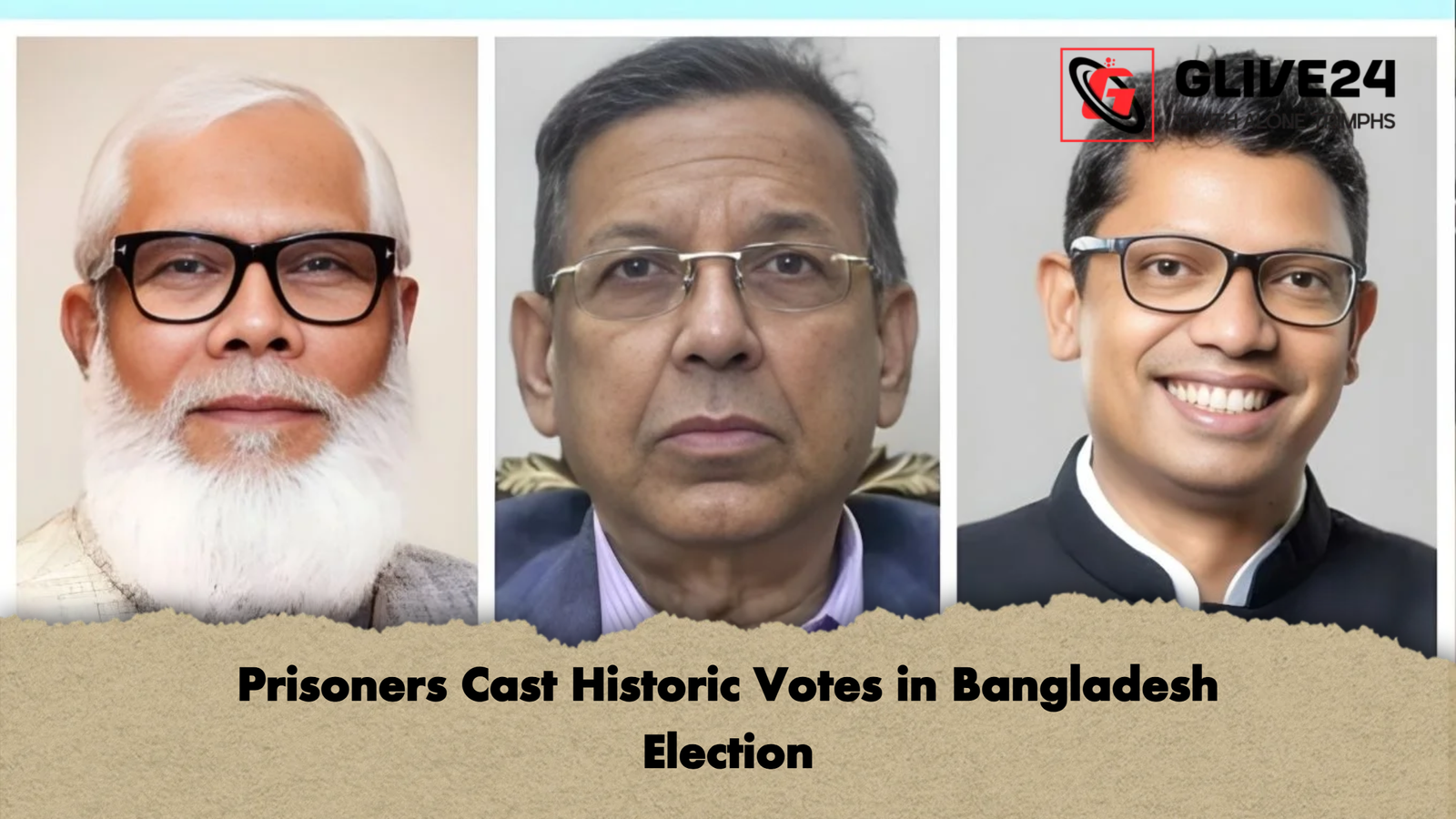
For the first time in Bangladesh’s electoral history, incarcerated individuals have been given the opportunity to exercise their right to vote in the national parliamentary elections. As part of a special initiative during the 13th Jatiya Sangsad elections, registered prisoners are casting their ballots via postal voting. In addition to the parliamentary vote, they are also participating in the ongoing referendum on reform measures.
According to the Department of Prisons, this historic voting process commenced on Tuesday, 3 February, and continued until Friday, 6 February. During this period, 4,067 of the 5,990 registered inmates successfully cast their votes. The remaining 1,923 prisoners are scheduled to vote on Saturday, 7 February, the final day of the programme. Those who fail to submit their ballots within the stipulated timeframe will be deemed ineligible.
Among the participants are nearly fifty high-profile prisoners, including former ministers, members of parliament, and senior government officials. At the Dhaka Central Jail in Keraniganj, 39 registered high-profile prisoners are taking part, including former government adviser Salman F. Rahman, former law minister Anisul Haque, Rashed Khan Menon, Hasanul Haq Inu, and Junaid Ahmed Palak.
Of the registered high-profile inmates, 22 are political leaders, 11 are former secretaries, and five are former police officers. To streamline the voting process, the Dhaka division was divided into two organisational units: Dhaka Division-1, with 1,476 registered prisoners, and Dhaka Division-2, with 1,183 registered prisoners.
Assistant Inspector General of Prisons (Development) Jannat-ul-Farhad explained the voting procedure: each registered prisoner receives a packet containing three envelopes. One includes the parliamentary ballot paper, while the other two are separate ballots for the referendum, featuring ‘Yes’ and ‘No’ options. Prisoners seal the envelopes after voting and submit them to prison authorities. The ballots are then sent via the postal department’s express service to the Election Commission, which will combine them with general votes from the corresponding constituencies to announce the final results.
The table below illustrates the daily number of votes cast from 3 to 6 February:
| Date | Prisoners Voting |
|---|---|
| 3 February | 1,521 |
| 4 February | 988 |
| 5 February | 1,138 |
| 6 February | 420 |
| Total | 4,067 |
The Election Commission, with assistance from prison authorities, completed a three-week online registration campaign by 5 January using a dedicated app. This initiative marks a significant milestone in Bangladesh’s electoral system, ensuring that the voting rights of prisoners are recognised and exercised for the first time.