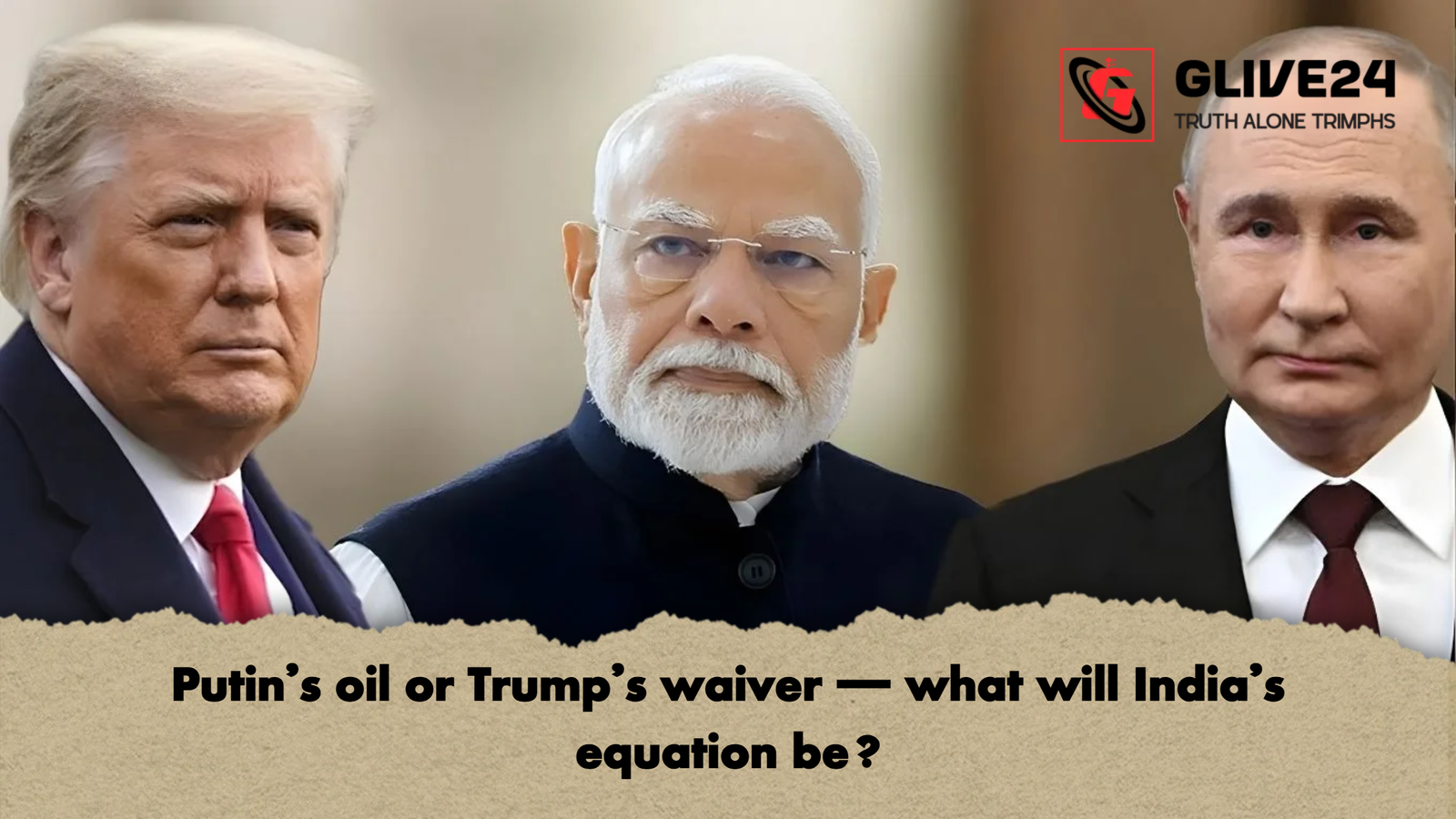
India finds itself navigating a delicate balancing act between Moscow and Washington after recent claims by U.S. President Donald Trump regarding a new trade understanding. Speaking on Monday, 2 January, Trump asserted that as part of a trade deal with New Delhi, India had agreed to halt crude oil imports from Russia in exchange for reduced tariffs on Indian goods.
According to the U.S. president, tariffs on Indian exports have been lowered from 50 per cent to 18 per cent, while India would increase imports of oil from the United States and Venezuela. Trump framed the agreement as a strategic move that could help curb Russia’s military spending in the ongoing Ukraine conflict, suggesting that Prime Minister Narendra Modi had consented to this arrangement.
However, the Kremlin has refuted these claims. Russian officials, including spokesperson Dmitry Peskov, have stated that Moscow has received no official confirmation or communication from India regarding any halt in energy imports. Peskov emphasised that while Russia respects the bilateral relationship between India and the United States, maintaining its “advanced strategic partnership” with New Delhi remains a top priority. He also indicated that Moscow is committed to deepening ties with India.
India has historically been one of the largest buyers of Russian crude oil. Currently, the country imports roughly 1.5 million barrels per day, accounting for more than one-third of its total oil imports. The Indian government has consistently defended this trade as vital for the nation’s energy security.
In recent years, New Delhi has leveraged its long-standing defence and strategic ties with Moscow to secure discounted crude, helping to stabilise domestic energy costs. During a visit to India in December last year, Russian President Vladimir Putin reaffirmed Russia’s commitment to uninterrupted oil supplies despite international pressures.
This evolving situation presents India with a complex geopolitical choice: align more closely with the U.S., potentially reducing Russian imports, or maintain its long-standing, strategically important energy and defence relationship with Russia. Analysts note that any decision will have far-reaching economic and diplomatic implications.
India’s Key Oil Imports – Daily Estimates
| Supplier Country | Approx. Daily Import (barrels) | Share of Total Oil Imports |
|---|---|---|
| Russia | 1,500,000 | 33% |
| Saudi Arabia | 700,000 | 15% |
| United States | 400,000 | 9% |
| Venezuela | 200,000 | 4% |
| Others | 1,100,000 | 24% |
As New Delhi weighs its options, the world watches closely. The outcome could reshape India’s energy sourcing strategy while influencing broader global geopolitical dynamics.