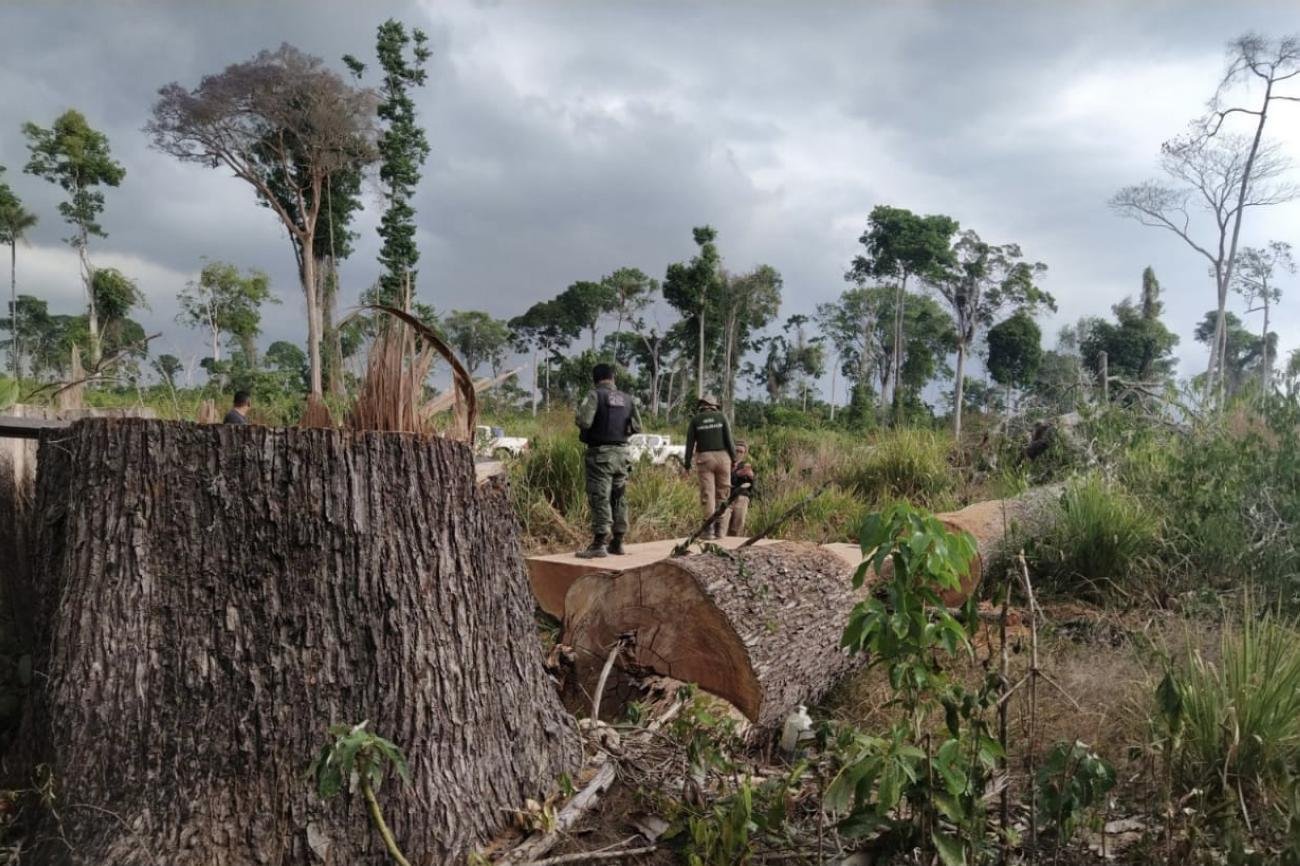
The run-up to this year’s COP30 climate conference has been fraught with controversy, and criticism of the host nation, Brazil, shows no sign of abating. Despite promoting environmental protection, Brazil has begun preparations for the summit by cutting down around 100,000 trees in the Amazon rainforest. The trees were felled to make way for a four-lane highway intended to ease the movement of foreign delegates. The move has sparked global outrage, highlighting the stark contrast between climate advocacy and the destruction of vital forests.
The Amazon, often called the “lungs of the world,” is under daily assault from loggers, miners, and agricultural expansion. Covering 7.5 million square kilometres, around 60 per cent of the rainforest lies within Brazil’s borders, making the country primarily responsible for both its destruction and its protection. In line with COP30, the Brazilian government has announced a US$125 billion fund, the Tropical Rainforest Fund (TFFF), aimed at forest conservation. Wealthier nations such as Norway, the Netherlands, and Portugal have already pledged contributions.
Yet, critics argue that cutting down trees to construct a “royal road” for summit attendees contradicts the very message of conservation. The new highway stretches approximately 13 kilometres (8 miles) from the city centre of Belém to the conference site, allowing roughly 50,000 delegates from 200 countries to travel conveniently. The Brazilian government insists the highway is designed to be “green and sustainable,” featuring solar-powered LED lighting, over 30 wildlife crossings, cycling lanes, and tree-lined barriers. Environmentalists, however, see this as far from sustainable development.
Canadian climate activist Mike Hudema addressed Brazilian President Lula da Silva on social media, saying, “You cannot claim to be a climate leader if you are chopping down the world’s largest climate solution.” One social media user commented, “If they truly believed climate change was a crisis, they would not destroy the planet’s lungs for their own convenience.”
The highway project was originally proposed nearly a decade ago by the state government of Pará. At the time, environmentalists warned it would leave new scars on the Amazon, and the project was subsequently put on hold. However, preparations for COP30 prompted its sudden revival.
Brazilian environmental researcher Luisa Ferreira described the project as “greenwashing.” She added, “No matter how many solar lamps you install, cutting down the forest is environmental destruction. The success of the conference is being overshadowed by this controversy.”
The Amazon absorbs roughly 5–10 per cent of the world’s carbon dioxide. Yet illegal logging, agricultural expansion, and mining projects have put the rainforest under severe pressure in recent years. Scientists warn that losing 20–25 per cent of the total forest could transform the region into savannah, releasing billions of tonnes of carbon into the atmosphere and accelerating global warming. Former U.S. President Donald Trump criticised the project on social media, calling it “a terrible scandal, destroying the Amazon to build a road for environmentalists.” Environmental organisations across Europe, Canada, and South America have condemned the highway, arguing that forest preservation—not destruction—must be the first step in tackling climate change.
The 30th UN Climate Conference will run from 10–21 November. Discussions will focus on reducing fossil fuel dependence, financing forest conservation, climate finance and technological support, and reviewing progress on the 2015 Paris Agreement.