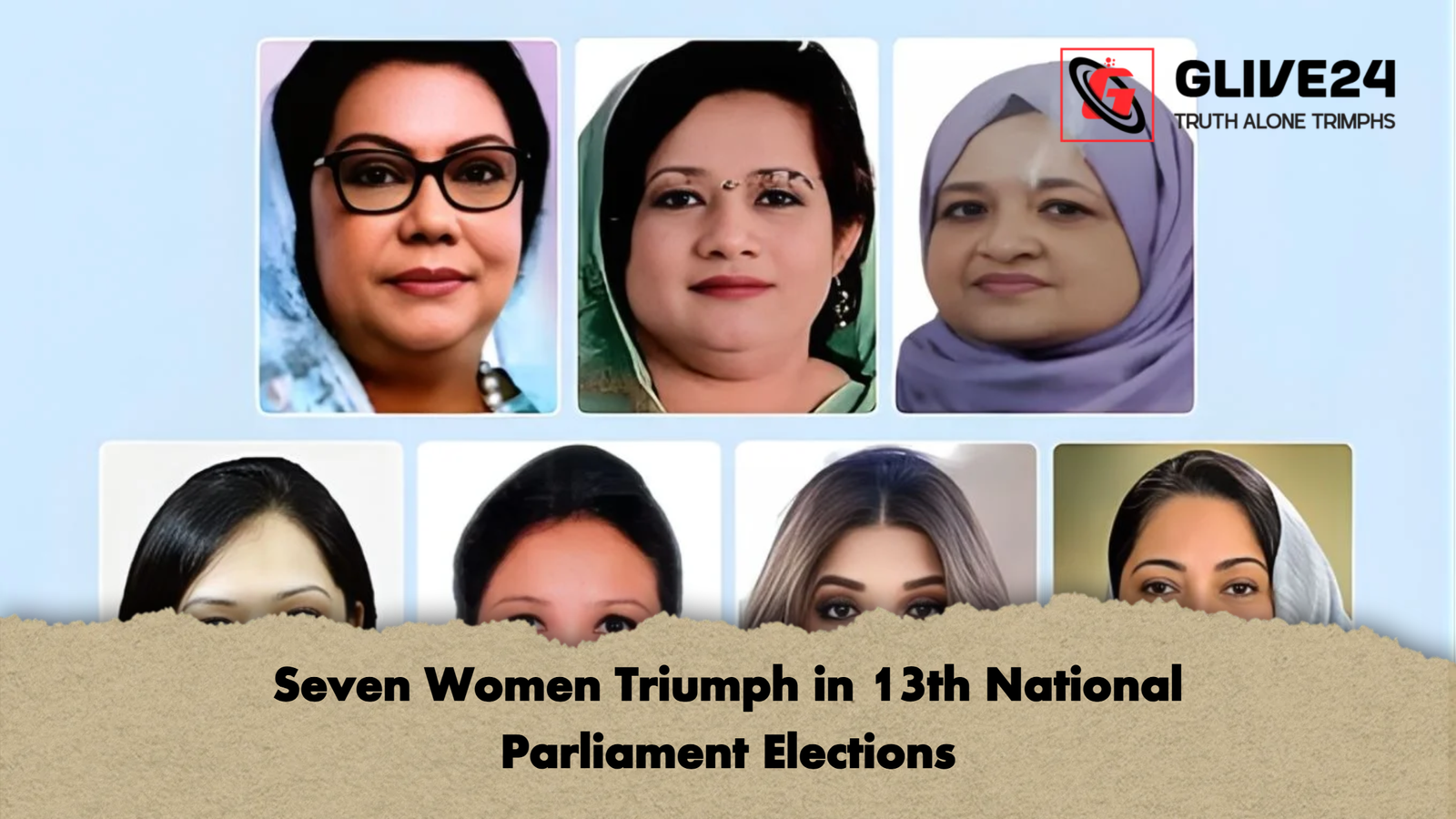
As the results of the 13th National Parliament elections continue to unfold, early unofficial tallies have highlighted the success of women candidates in what has historically been a male-dominated contest. By 10:30 a.m. on Friday, results from 258 constituencies revealed that seven female candidates have emerged victorious. Among them are prominent figures such as Rumin Farhana, Tahsina Rushdi (Luna), Shama Obayed Islam, and Farzana Sharmin.
Out of a total of 85 female candidates contesting this year, they represented a mere 4 per cent of the 300 parliamentary seats. The composition of female contenders included 66 from political parties, 19 independents, and one candidate from the Hijra community.
Notable Women Winners
| Constituency | Candidate | Party/Independent | Symbol | Votes Received | Closest Rival | Rival Votes |
|---|---|---|---|---|---|---|
| Manikganj-3 | Afroza Khanum | BNP | Paddy | 167,345 | Muhammad Said Noor | 64,242 |
| Jhalokathi-2 | Israt Sultana Illen Bhutto | BNP Alliance | Paddy | 113,100 | S M Neyamul Karim | 69,805 |
| Sylhet-2 | Tahsina Rushdi (Luna) | BNP | Paddy | 117,956 | Muhammad Muntachir Ali | 38,635 |
| Brahmanbaria-2 | Rumin Farhana | Independent | Duck | 117,495 | Junaid Al Habib | 79,927 |
| Natore-1 | Farzana Sharmin | BNP | Paddy | Data unavailable | Data unavailable | Data unavailable |
| Faridpur-2 | Shama Obayed Islam | BNP | Paddy | Data unavailable | Data unavailable | Data unavailable |
| Faridpur-3 | Nayab Yusuf Ahmed | BNP | Paddy | Data unavailable | Data unavailable | Data unavailable |
Tahsina Rushdi secured a decisive victory in Sylhet-2 with a margin of 79,321 votes, becoming the sole female winner among the six constituencies in Sylhet district. Rumin Farhana triumphed by a significant margin as an independent candidate in Brahmanbaria-2.
Data from the Election Commission shows that 64 of the seven victorious women are university-educated, either holding undergraduate or postgraduate degrees, representing 75 per cent of the female winners. Age-wise, the majority of candidates fell in the 25–39 years range, totalling 32 individuals. Professionally, approximately 67 per cent of women candidates are actively employed.
Although female participation remains limited compared to male candidates, the victories of these seven women signal an important step towards gender empowerment in the country’s political landscape. Their presence in the upcoming parliament is expected to play a significant role in policy formulation and representational diversity.
The success of these women not only strengthens the prospects of female leadership but also underscores the growing importance of women’s active participation in national politics. Their victories could serve as a catalyst for inspiring greater political engagement among women in the years to come.