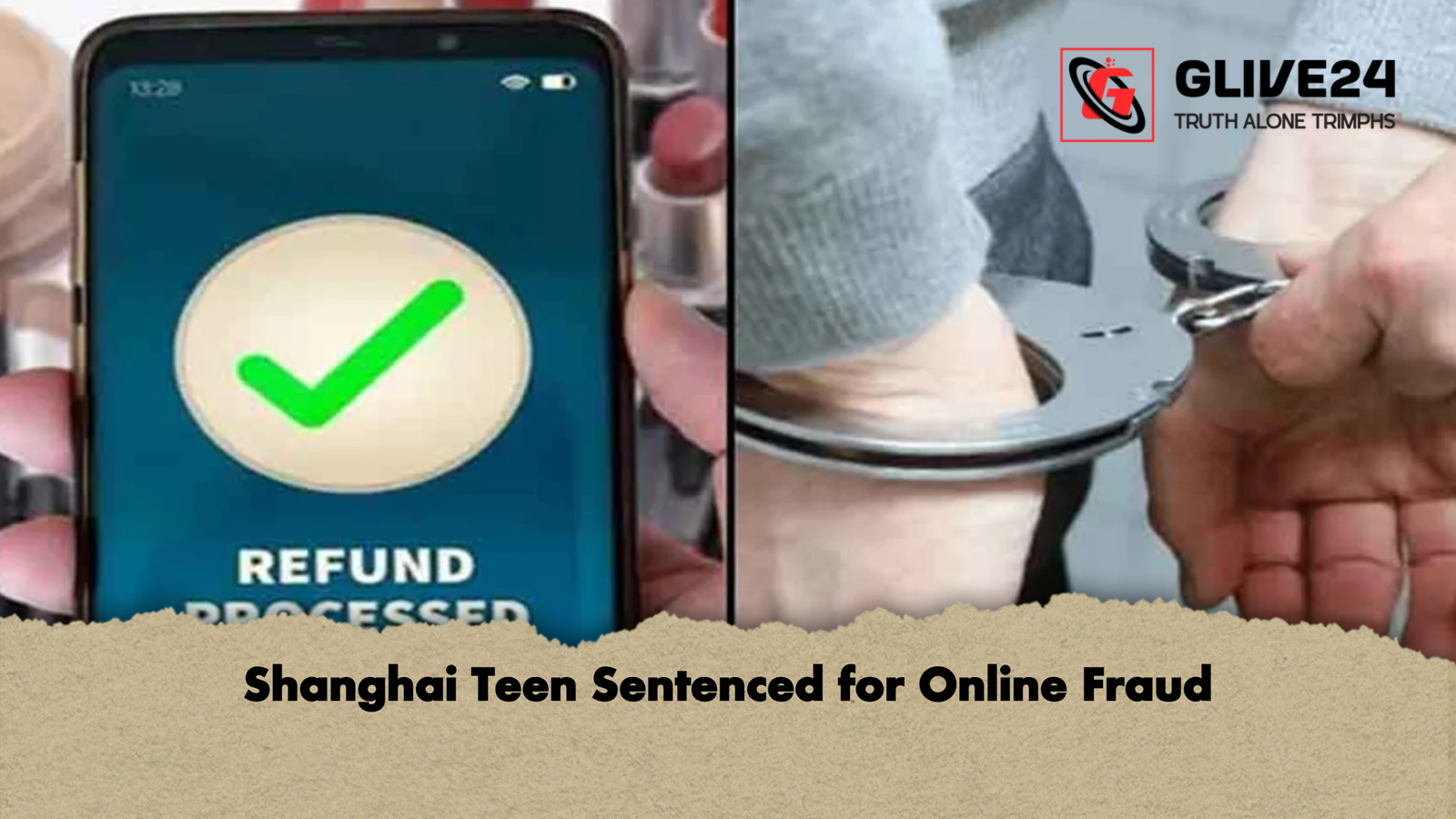
In a striking case highlighting the vulnerabilities of digital commerce, a 17-year-old teenager in Shanghai, China, has been sentenced to six years in prison for orchestrating an elaborate online refund fraud. The local authorities reported that the young offender exploited a technical flaw in a major e-commerce platform, enabling him to obtain full refunds without returning purchased goods.
According to investigators, the incident began last year when the teenager identified a loophole in the platform’s refund system. By submitting fraudulent courier tracking numbers, he created the illusion that items had been returned, while in reality, the products remained in his possession. The scheme primarily targeted cosmetic products and various consumer goods.
Over several months, the teen submitted a staggering 11,900 fraudulent refund requests. He subsequently sold the acquired items on second-hand online marketplaces. Investigations revealed that he amassed products worth approximately $680,000 and, through resale, earned around $574,000 in profits, all while continuing to receive full refunds from the e-commerce platform.
Local media reports indicate that the teenager used the illicitly obtained funds to purchase luxury smartphones, branded clothing, and video gaming devices, as well as to finance social outings with friends. Authorities emphasised that the offender’s young age influenced the court’s sentencing decision, resulting in a relatively moderate term of six years.
Experts say the case underscores the growing challenge of cybercrime in e-commerce, particularly among digitally savvy youths. “This incident demonstrates how technical knowledge, if misused, can lead to significant financial harm,” said a spokesperson for Shanghai’s consumer protection office.
Key Details of the Case
| Aspect | Details |
|---|---|
| Offender’s age | 17 years |
| Type of offence | Fraudulent online refunds |
| Number of fake refund requests | 11,900 |
| Value of goods obtained | $680,000 |
| Estimated profit from resale | $574,000 |
| Court sentence | 6 years imprisonment |
| Targeted items | Cosmetics, consumer goods |
The case has prompted the e-commerce platform to review and strengthen its technical safeguards to prevent similar abuses in the future. Legal analysts note that China’s juvenile justice system tends to emphasise correction and rehabilitation over severe punishment, which explains the six-year sentence despite the substantial financial impact.
This incident serves as a stark warning for both digital businesses and young internet users: technological skill without ethical restraint can result in serious legal and financial consequences. The authorities hope the sentence will act as a deterrent, emphasising the importance of responsible conduct in the increasingly complex world of online commerce.