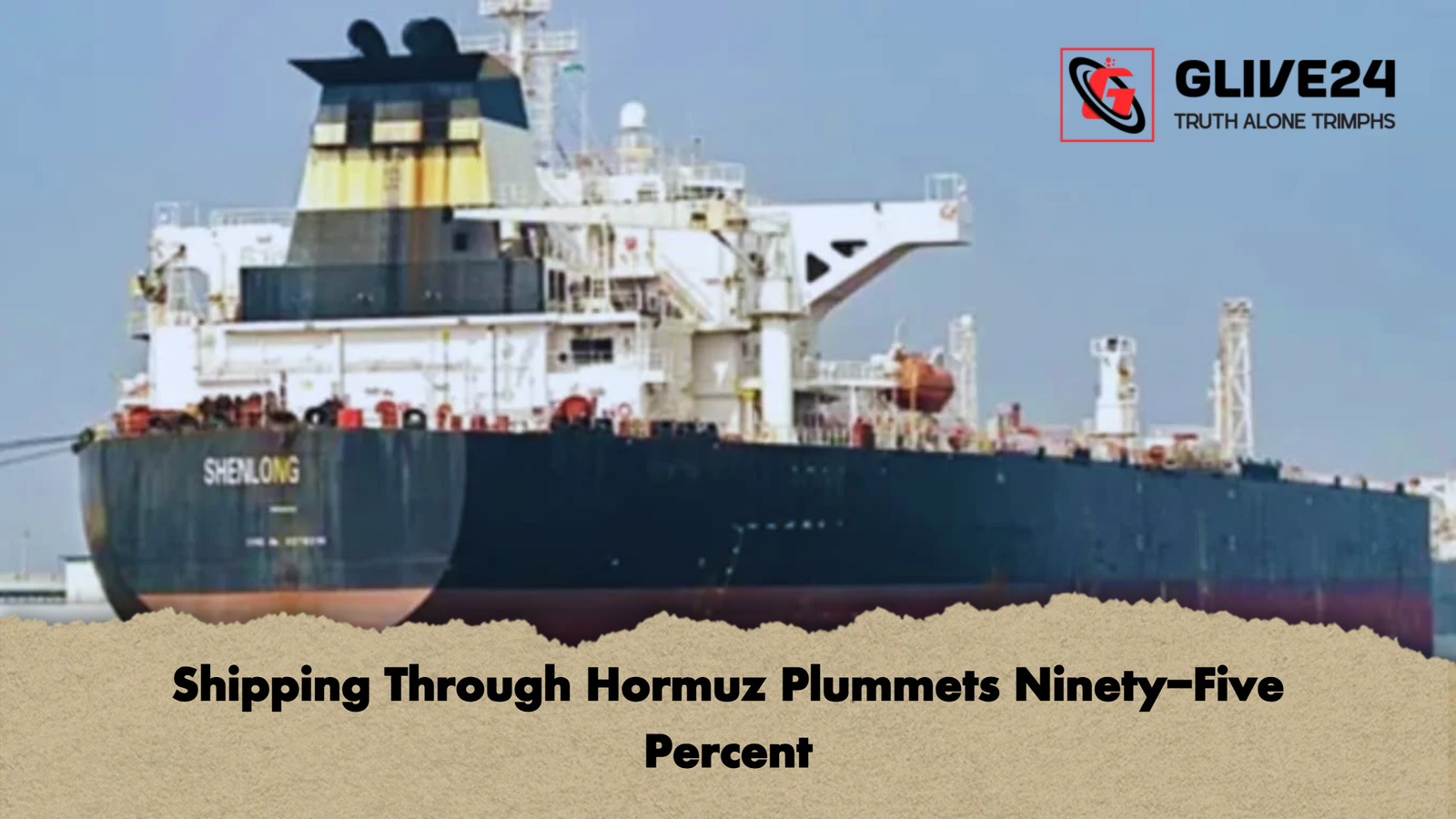
The ongoing conflict in the Middle East has brought the strategic Strait of Hormuz—one of the world’s most crucial maritime routes—to a near standstill. Since hostilities began on 28 February, commercial shipping through the strait has declined sharply, with traffic dropping by an estimated 95 per cent. Previously, an average of 138 vessels passed through daily; current figures suggest only five to six ships navigate the route each day, according to analysis by BBC Verify.
Data from BBC Verify indicates that only 99 vessels crossed the narrow strait during March. The Joint Maritime Information Centre reports that roughly one-fifth of the world’s oil supply transits the Strait of Hormuz. The ongoing conflict, however, has jeopardised this vital supply line, threatening the transport of both fuel and other essential commodities. Some vessels continue to risk passage despite the dangers.
Shipping analyst Kpler highlights that a significant proportion of vessels currently navigating the strait are connected to Iran or its allies. An analysis of the past 20 days shows that one-third of ships passing through are Iranian, including 14 flying the Iranian flag. Some vessels previously under international sanctions due to Tehran’s oil trade have also navigated the strait during this period.
| Vessel Category | Number of Ships | Notes / Destination |
|---|---|---|
| Iranian-flagged | 14 | Iran |
| Chinese-owned | 9 | Various |
| Heading to India | 6 | India |
| Other / Western & Greek | 10+ | Including Iranian ports |
A few Western-owned vessels have also braved the strait, and non-Iranian ships—including Greek-owned vessels—have docked at Iranian ports. To avoid drone and missile attacks, crews are increasingly using alternative routes, lengthening their journeys. Tracking data shows that on 15 March, a Pakistan-flagged oil tanker sailed perilously close to the Iranian coastline, primarily to evade potential attacks and minimise radar detection.
The dramatic reduction in maritime traffic through Hormuz is already impacting international oil markets, contributing to volatility and affecting prices of essential commodities. Experts warn that if the disruption continues, global supply chains could face serious instability, potentially triggering renewed inflationary pressures.
Analysts emphasise that the prolonged standstill may force nations to invest in alternative shipping routes and bolster maritime security measures. The situation not only underscores the geopolitical significance of the Strait of Hormuz but also highlights the vulnerability of global energy and trade networks to regional conflicts.
In short, the Strait of Hormuz—a key artery for global oil—faces an unprecedented decline in shipping, signalling economic repercussions far beyond the Middle East.