
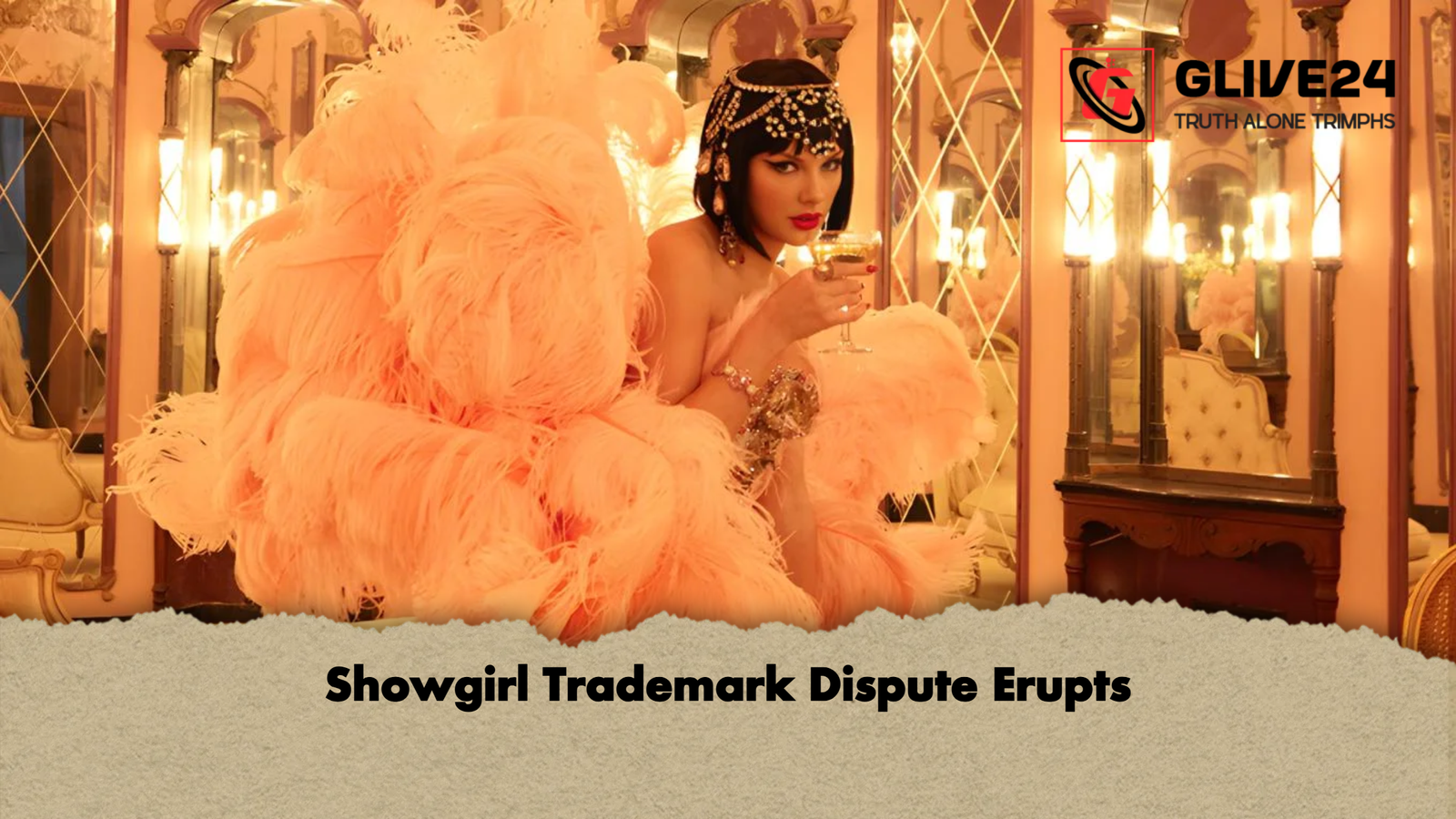
American pop superstar Taylor Swift is facing a trademark infringement lawsuit over the title of her recent album, The Life of a Showgirl, amid claims that it unlawfully echoes an established entertainment brand and has caused commercial confusion in the marketplace.
The case has been brought by writer and performer Maren Wade, who alleges that Swift’s album title infringes upon her long-standing creative and commercial brand, Confessions of a Showgirl. Wade states that she has used this branding since 2014 through a regular column in Las Vegas Weekly, which later expanded into podcasting and live performance ventures. According to the claim, the mark is formally registered for a range of entertainment services and has built significant recognition over time.
The lawsuit also names UMG Recordings, which is involved in the distribution and commercial exploitation of Swift’s music. The complaint argues that following the album’s release, the disputed title was rapidly applied across merchandise, packaging, and retail channels, increasing the likelihood that consumers could mistakenly assume an affiliation between the two brands.
Wade’s legal representative, Jamie Parkinen, argues that smaller creative enterprises should not be eclipsed by global celebrity brands, particularly where prior commercial usage and recognition exist. The legal filing frames the matter as a broader question of fairness in intellectual property protection and the balance between artistic expression and established brand identity.
The dispute is further complicated by the involvement of the United States Patent and Trademark Office, which reportedly previously rejected an application for the phrase The Life of a Showgirl. The refusal was based on concerns that the name was too similar to existing marks within the entertainment sector, raising the possibility of consumer confusion.
Wade contends that the album’s title has already diluted her brand identity, with some audiences allegedly assuming a connection or imitation between her work and Swift’s globally recognised output. She further claims this perceived association has undermined her commercial positioning within the entertainment industry.
Taylor Swift has not yet issued any public response to the allegations. Her intellectual property affairs are typically managed through TAS Rights Management, while merchandise operations are handled in collaboration with Bravado.
Legal experts note that trademark disputes of this nature often hinge on the likelihood of consumer confusion and the strength of prior use. Courts typically weigh factors such as market overlap, branding similarity, and the commercial prominence of each party. Settlement is also a common outcome in high-profile intellectual property cases, particularly where reputational risks are significant.
Key Details of the Case
| Category | Information |
|---|---|
| Claimant | Maren Wade |
| Defendants | Taylor Swift; UMG Recordings |
| Disputed Title | The Life of a Showgirl |
| Prior Brand | Confessions of a Showgirl |
| Core Allegations | Trademark infringement; unfair competition; consumer confusion |
| Regulatory Reference | Prior trademark application refusal by USPTO |
| Industry Impact | Entertainment branding and IP protection norms |
The case has reignited debate within the entertainment industry over how intellectual property rights are enforced when independent creators’ branding intersects with globally dominant commercial acts.