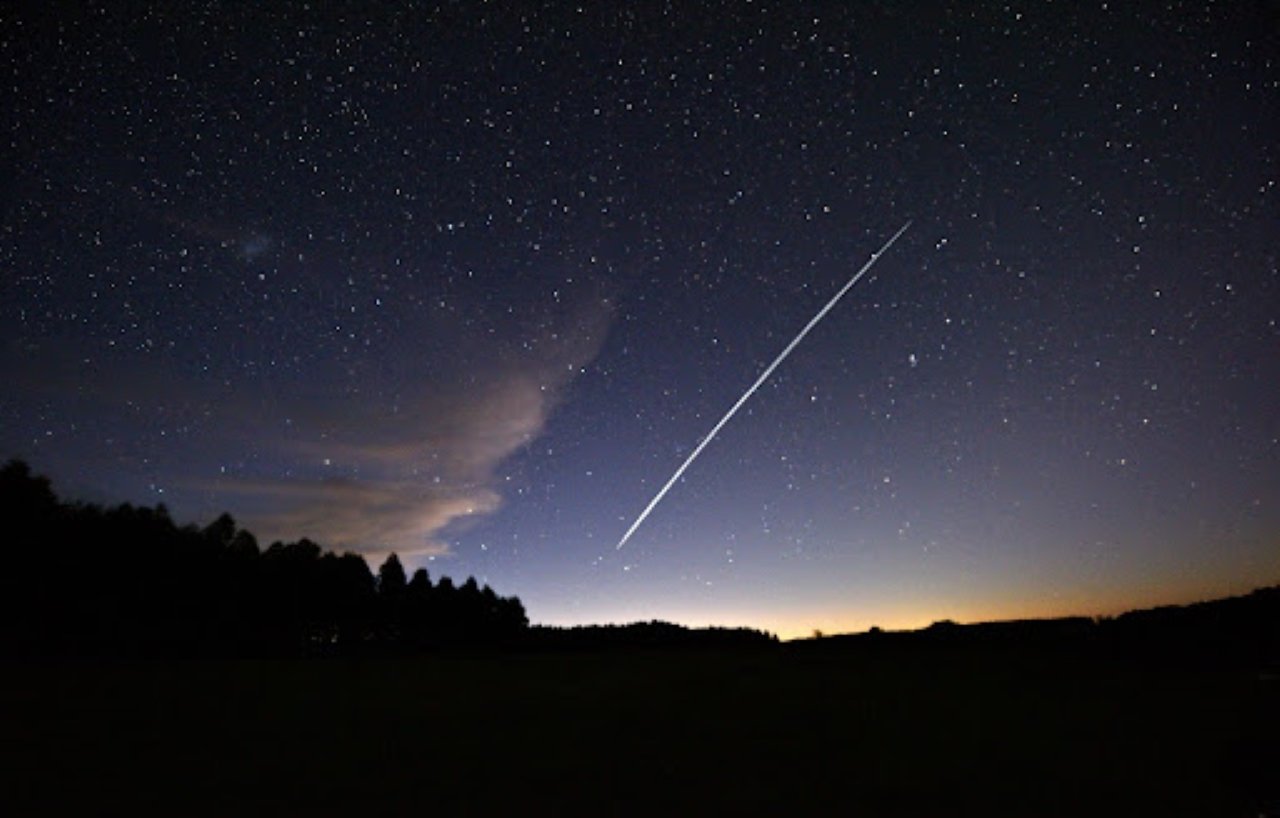
In a significant setback for SpaceX, at least 40 out of 49 newly launched Starlink satellites have been disabled due to the effects of a powerful geomagnetic storm. The event, described by experts as one of the largest satellite losses from a single solar storm, was triggered by a sudden burst of solar radiation and electromagnetic energy from the Sun.
Table of Contents
The Impact of the Solar Storm
According to a statement released by SpaceX, the satellites were launched into a low-deployment orbit of approximately 130 miles (210 km) above Earth on 3rd February 2025 via a Falcon 9 rocket from Kennedy Space Center, Florida. However, a day later, an unexpected surge in atmospheric density—caused by the geomagnetic storm—led to severe drag, preventing the satellites from achieving their intended operational orbits.
What Went Wrong?
SpaceX typically places new satellites in low-Earth orbit to conduct early-stage system checks. This precaution allows malfunctioning satellites to safely burn up in Earth’s atmosphere instead of turning into space debris. However, in this instance, the company appears to have underestimated the impact of space weather conditions caused by an earlier solar storm.
| Key Data | Details |
|---|---|
| Launch Date | 3rd February 2025 |
| Number of Satellites Launched | 49 |
| Number of Satellites Lost | At least 40 |
| Cause of Failure | Increased atmospheric drag due to geomagnetic storm |
| Altitude at Deployment | 130 miles (210 km) |
Warnings Ignored?
Prior to the launch, the US Space Weather Prediction Center had issued a geomagnetic storm watch, warning of heightened solar activity. The alert was triggered by a coronal mass ejection (CME)—a massive burst of solar plasma—detected on 29th January 2025, which was predicted to reach Earth by 1st February.
Despite these warnings, the storm’s intensity and speed exceeded expectations. As a result, atmospheric density surged, increasing the friction on the satellites and forcing them back into Earth’s atmosphere, where they burned up upon re-entry.
Unprecedented Event in Spaceflight History
Dr Jonathan McDowell, an astrophysicist at the Harvard-Smithsonian Center for Astrophysics, described the event as “unprecedented.” He noted that while solar storms have previously affected spacecraft, this marks the largest recorded loss of satellites due to increased atmospheric drag rather than direct radiation damage.
A Sign of Things to Come?
McDowell also warned that solar storm activity is expected to intensify as the Sun approaches its “solar maximum”, the peak of its 11-year sunspot cycle. This could pose increasing risks to satellites, spacecraft, and other space-based infrastructure.
SpaceX’s Starlink and Future Plans
SpaceX, founded by Elon Musk, has been launching satellites since 2019 as part of its Starlink project, aimed at providing global broadband internet.
Starlink Network at a Glance
Total Satellites in Orbit (as of January 2025): 1,469 operational, 272 moving to higher orbits.
Future Plans: SpaceX aims to expand the network to 30,000 satellites, significantly exceeding the previously planned 12,000 satellites.
Lessons Learned & The Future of Space Weather Monitoring
The incident highlights the importance of advanced space weather prediction and the need for satellite operators to factor in solar activity risks more effectively. Going forward, SpaceX and other space agencies may need to adopt more adaptive satellite deployment strategies to mitigate similar losses in future missions.
With solar storms likely to increase in frequency and intensity, this event serves as a crucial lesson in the vulnerabilities of modern space technology.