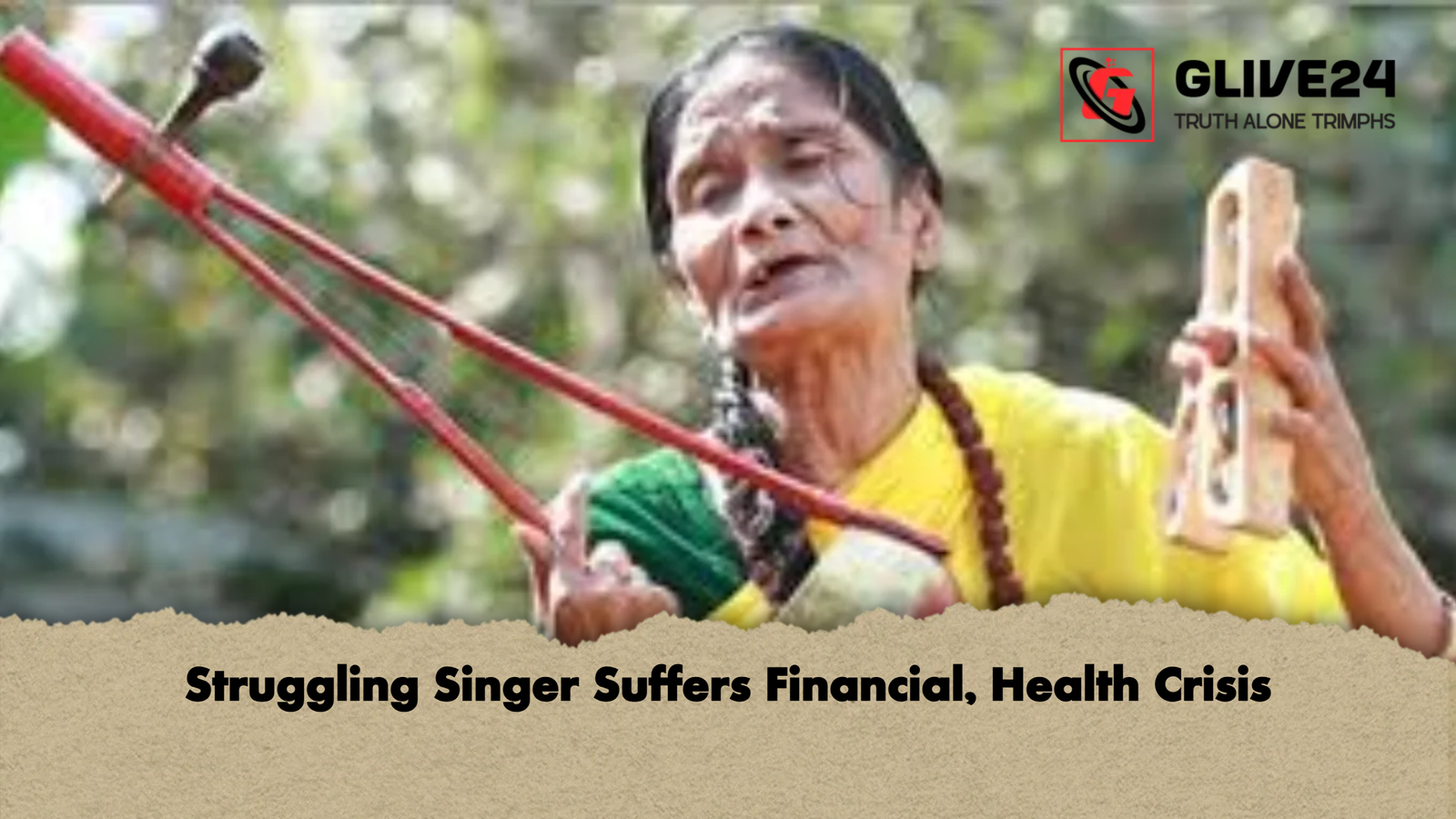
Renowned folk singer Kangalini Sofia is facing severe financial and health challenges. Her physical condition has deteriorated significantly, with complications from high blood pressure, kidney problems, and heart disease, compounded by additional complex illnesses. For the past week, she has experienced intense chest pain, facial swelling, and difficulty speaking. With Eid just days away, Sofia has no money for medicine or food.
“Four months’ rent is overdue, there is no money for food, and I don’t know where I’ll get medicine,” she said. For several years, her family has struggled to make ends meet, surviving largely on loans. In an effort to repay debts, Sofia sold her home, including the land, in East Jamsing, Savar. Now, she lives in a rented house in North Jamsing under extremely difficult conditions.
Table of Contents
Reduced Government Allowances
Sofia’s income relied partly on government grants for indigent cultural workers. Previously, she received BDT 42,000 annually from cultural institutions. Last year, however, the allowance was reduced to BDT 12,000. Her daughter, Pushpa Begum, told reporters that Sofia performed at events while Pushpa accompanied her on the mandira. Pushpa explained, “Even a small amount from the annual allowance helped. Last year we received only 12,000 taka. When we inquired at the Arts Academy, they said they didn’t know why. The ministry is aware.”
Previously, Sofia also received a monthly BDT 10,000 from the Prime Minister’s fund, which helped cover medicines and groceries. During the interim government, this support stopped, deepening the family’s financial crisis. Pushpa added, “We cannot borrow from anyone now. Previously, a small monthly payment helped clear debts and pharmacy bills. Now, there is no source of money.”
| Source of Support | Previous Amount | Current Situation |
|---|---|---|
| Cultural allowance | BDT 42,000/year | Reduced to BDT 12,000/year |
| Prime Minister’s monthly fund | BDT 10,000/month | Stopped under interim government |
Lack of Work
In addition to allowances, Sofia’s income came from performance fees. She used to receive invitations regularly, but in the past year, events across the country have decreased dramatically. Even invitations from Bangladesh Television and private channels have not materialised in the last five months. Pushpa stated, “Earlier, we had monthly performances on BTV. Now there have been none for five to six months. Without this income, we are in serious trouble.”
Health Expenses and Food Insecurity
Sofia requires BDT 8,000–10,000 monthly for medicines. Doctors have also advised a diet including milk, eggs, and nutritious food. Yet some days, even basic cooking is impossible. Pushpa said, “We are worse off than beggars. Sometimes we manage one meal a day; other times none. Buying groceries on borrowed money is stressful, and food often remains insufficient. If she dies, many things will happen, but no one notices that she is starving.”
Loss of Assets
Due to prolonged illness and debt, Sofia sold her last remaining house and land in 2020 to repay loans totalling BDT 1.5 million. She purchased 3% of land in North Jamsing with the proceeds but cannot afford to build a home and continues to live in rented accommodation. Further sales may be necessary to survive.
Determined to Perform
Despite these hardships, Sofia refuses charity, seeking opportunities to perform instead. Speaking weakly to reporters, she said, “I can still sing. I don’t want help. Just give me a chance to perform.”
Born in a fisher family in Ramdia, Baliakandi, Rajbari District, Sofia—originally Tuni Haldar—first gained attention at age 14 performing in local events. Trained under Gaur Mohanto, Deben Khapa, and Halim Bayati, she has received 30 national and 10 international awards. Her popular songs include Konba Pothe Nitai Gan Jai, Buri Hoilam Tor Karone, Narir Kache Keu Jai Na, and Amar Bhati Ganger Naiya.
Kangalini Sofia’s life today is a poignant reflection of how a celebrated artist can face extreme vulnerability without adequate support, highlighting the urgent need for attention to the welfare of cultural contributors.