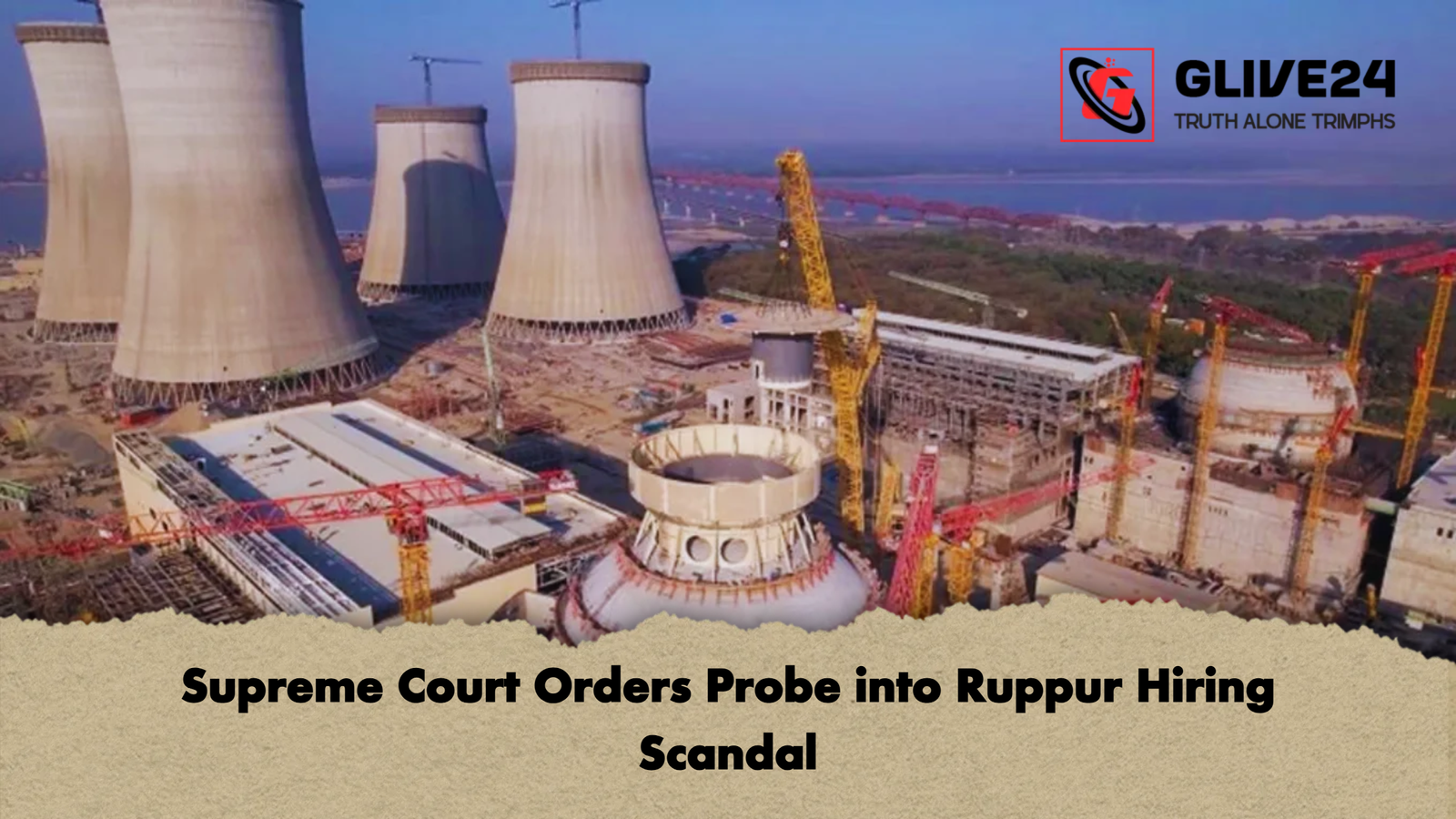
The Bangladesh High Court has ordered a thorough investigation into allegations of corruption, nepotism, and fraudulent recruitment at the Ruppur Nuclear Power Plant under construction in Ishwardi, Pabna. The court has instructed the formation of a high-level committee, led by the Secretary of the Ministry of Science and Technology, to submit a comprehensive report within two months.
The directive was issued on Tuesday, 24 February, by a bench comprising Justice Ahmed Sohel and Justice Fatema Anwar. The petitioner’s lawyer, Masud Ahmed Saeed, confirmed the order.
Background of Allegations
The High Court was approached via a writ petition seeking judicial oversight into alleged irregularities in recruitment at Ruppur. The petition included media reports highlighting instances of bribery, fraudulent credentials, and nepotism.
A leading report, titled “High Positions for Big Bribes, Permanent Jobs via Fake Certificates”, detailed the scope of the misconduct:
Key positions were allegedly filled in exchange for large bribes.
Permanent employment was allegedly secured through fake certificates.
Competent, skilled, and experienced personnel, vital for such a sensitive project, were reportedly overlooked.
Political influence and foreign backing were cited as facilitating the placement of unqualified individuals.
The allegations pertain specifically to recruitment at Nuclear Power Plant Company Bangladesh Limited (NPCBL), responsible for the long-term operation, maintenance, and safety of the facility.
Recruitment and Training Overview
Investigations indicate that between 2017 and 2024, NPCBL recruited over 1,800 personnel across multiple job notifications. Nearly 1,400 recruits were reportedly sent to the Rosatom Technical Academy in Russia for specialised training. However, recruitment cycles in 2019 and 2023 drew particular scrutiny due to allegations of bribery, fraudulent experience certificates, and nepotism.
| Year | Recruited Personnel | Rosatom Training | Notable Issues |
|---|---|---|---|
| 2017 | 210 | 180 | Minor irregularities |
| 2018 | 250 | 200 | Some complaints of nepotism |
| 2019 | 300 | 240 | Fraudulent certificates reported |
| 2020 | 220 | 180 | Recruitment transparency questioned |
| 2021 | 210 | 180 | Standard recruitment |
| 2022 | 200 | 150 | Routine process |
| 2023 | 250 | 200 | Bribery and falsified documents exposed |
| 2024 | 150 | 100 | Limited recruitment, low-risk cycle |
Next Steps
The High Court’s directive mandates that the committee conduct a thorough review and submit findings detailing procedural lapses, the extent of corruption, and recommendations to ensure transparency. Experts note that the outcome of this investigation could significantly impact Ruppur’s operational safety, management policies, and long-term governance.
Given that Ruppur is one of Bangladesh’s most costly and strategically sensitive projects, ensuring a transparent and merit-based recruitment process is essential for national energy security and public trust.