
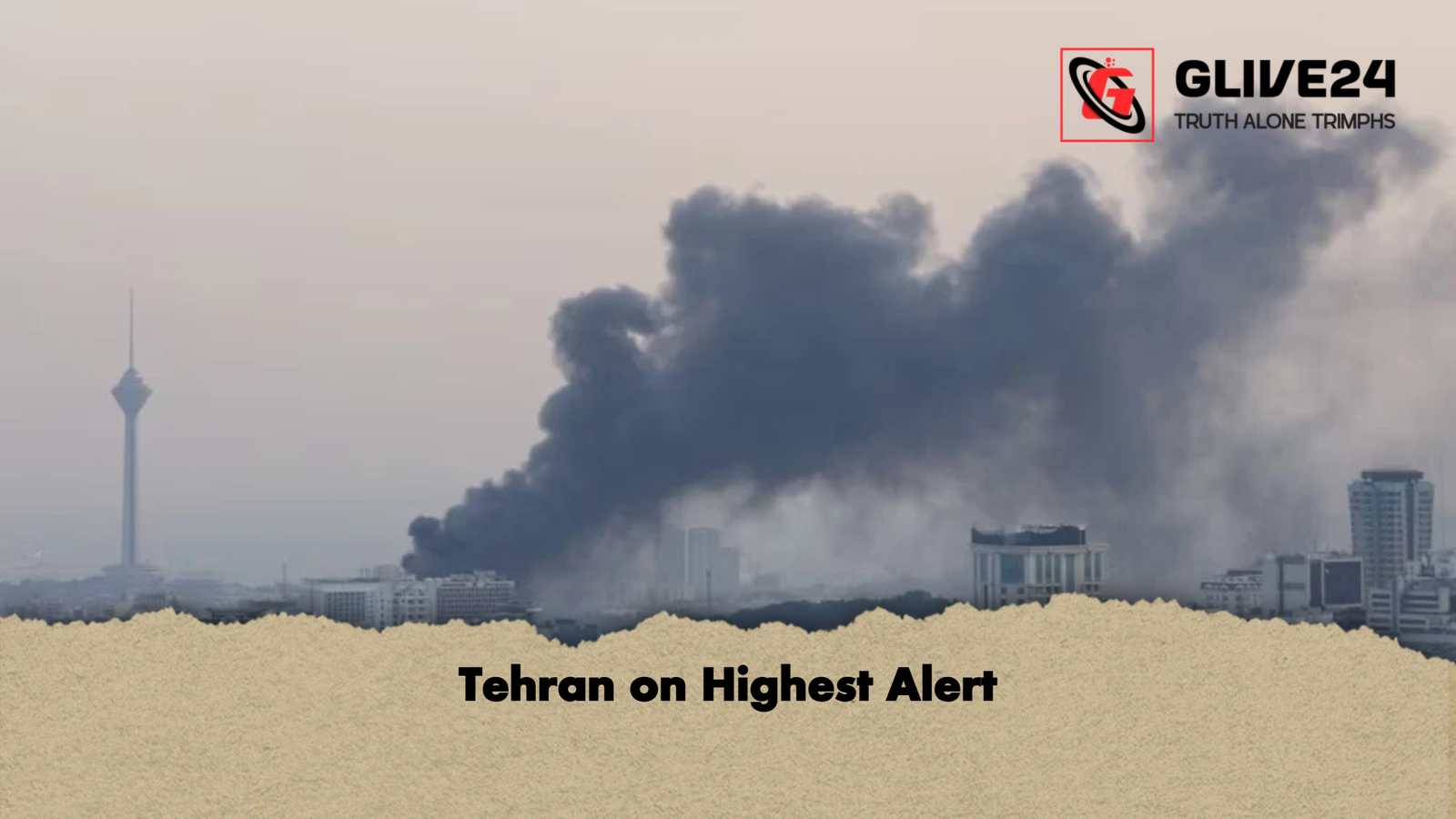
Authorities in Tehran have issued a citywide “red alert” amid escalating fears of large-scale military strikes by Israel and the United States. The move reflects a sharp deterioration in regional tensions, with officials urging residents in vulnerable districts to relocate immediately to safer areas.
The heightened alert follows a controversial ultimatum reportedly set by Donald Trump, who gave Iran a deadline—Tuesday at 8:00 p.m. local time—to reopen the strategically vital Strait of Hormuz. This deadline corresponds to midnight Wednesday in Greenwich Mean Time. In response, Iranian authorities have firmly rejected the demand, warning that the waterway will remain closed to what they described as “hostile forces”.
The Strait of Hormuz is widely regarded as one of the most critical maritime corridors in the world, facilitating a substantial proportion of global oil shipments. Any prolonged disruption in this passage is likely to trigger volatility in international energy markets, with ripple effects across global economies. Analysts warn that the current standoff could exacerbate already fragile geopolitical conditions in the Middle East.
Concerns are also mounting over the potential targeting of Iran’s essential infrastructure. Experts suggest that key installations—including bridges, power plants, and communication networks—could be at risk in the event of coordinated air or missile strikes. Damage to such facilities would not only disrupt daily life in Tehran but could also impede emergency response capabilities.
In preparation for possible escalation, Iranian authorities have intensified civil defence measures. Emergency sirens have reportedly been activated in several districts, while security patrols have been reinforced. Hospitals and medical facilities are said to be on high alert, with contingency plans in place to handle mass casualties if required.
A summary of the current situation is presented below:
| Key Aspect | Current Status |
|---|---|
| Alert Level | Red Alert across Tehran |
| Primary Threat | Possible attack by Israel and the United States |
| Strategic Flashpoint | Strait of Hormuz closure dispute |
| Infrastructure Risk | Bridges, power plants, communications |
| Civil Instructions | Residents advised to relocate to safety |
| Global Impact | Potential energy market volatility |
Diplomatically, Iran has taken a firm stance against interim solutions. Officials in Tehran have rejected proposals for a temporary ceasefire, arguing that such measures fail to address the root causes of the conflict. Instead, they have called for a comprehensive and enduring peace agreement encompassing the wider Middle East.
This insistence on a long-term settlement highlights the deep mistrust between the involved parties and underscores the complexity of achieving de-escalation. International observers note that without meaningful diplomatic engagement, the risk of open conflict remains significant.
As tensions continue to rise, the global community is closely monitoring developments. Calls for restraint and renewed dialogue are growing louder, yet the situation remains precarious, with any miscalculation potentially leading to far-reaching consequences.