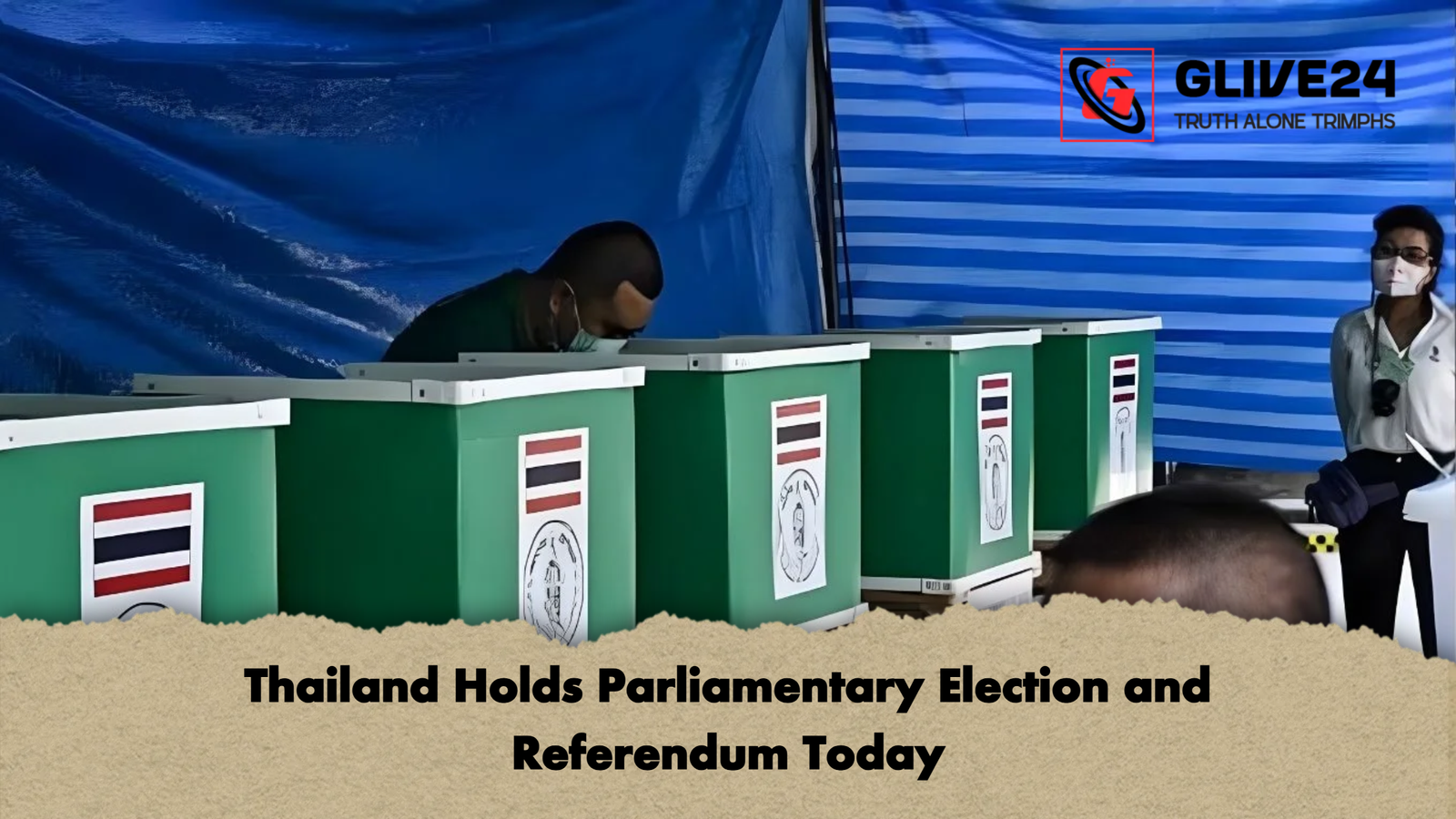
Thailand is set to hold a nationwide parliamentary election today, Sunday, 8 February, alongside a referendum on constitutional amendments. Polling stations have already opened across the country, with millions of eligible voters expected to cast their ballots.
Notably, this election is being held earlier than originally scheduled. The most recent parliamentary election took place in 2023, when members of the House of Representatives were elected for a standard four-year term. However, political upheavals and controversies have prompted the government to call for an early vote, less than four years into the current term.
Why is Thailand holding an early election?
The early election stems from a series of political crises that unfolded in 2025:
| Date | Event | Impact |
|---|---|---|
| May 2025 | Tensions erupt with neighbouring Cambodia following a cross-border attack that killed a Thai soldier. | Raised national security concerns and heightened political instability. |
| June 2025 | Former Prime Minister Payetongtarn Sinawatra calls Cambodian Prime Minister Hun Sen and refers to him as “Uncle” during diplomatic discussions. A recording of the phone call leaks, triggering public outrage. | Led to criticism of Sinawatra’s leadership and military handling, weakening public trust. |
| June 2025 | Sinawatra’s major coalition partner, the Bhumjaithai Party, announces its departure from her Pheu Thai Party-led coalition. | The government’s majority is significantly reduced, leaving it on the brink of collapse. |
| August 2025 | Thailand’s Constitutional Court rules that Prime Minister Sinawatra violated ethical standards. | Sinawatra is forced to resign, ending her premiership prematurely. |
| September 2025 | Anutin Charnvirakul of the Bhumjaithai Party forms a coalition with the Progressive People’s Party, and becomes Prime Minister. | Conditioned on dissolving parliament and holding an early election. |
| December 2025 | Parliament is officially dissolved under Anutin’s administration. | Paves the way for the early general election. |
This series of events underscores the volatile political climate that has prompted Thai authorities to seek a renewed mandate from the electorate. Analysts suggest that the simultaneous constitutional referendum aims to address legal reforms intended to stabilise governance and clarify the powers of the executive and legislative branches.
Voter turnout and the results of both the parliamentary election and constitutional referendum will be closely scrutinised by regional observers, given Thailand’s strategic importance in Southeast Asia and the political tensions with Cambodia.
As polling continues throughout Sunday, the nation awaits both domestic and international reactions, which could influence Thailand’s political trajectory in the coming years.