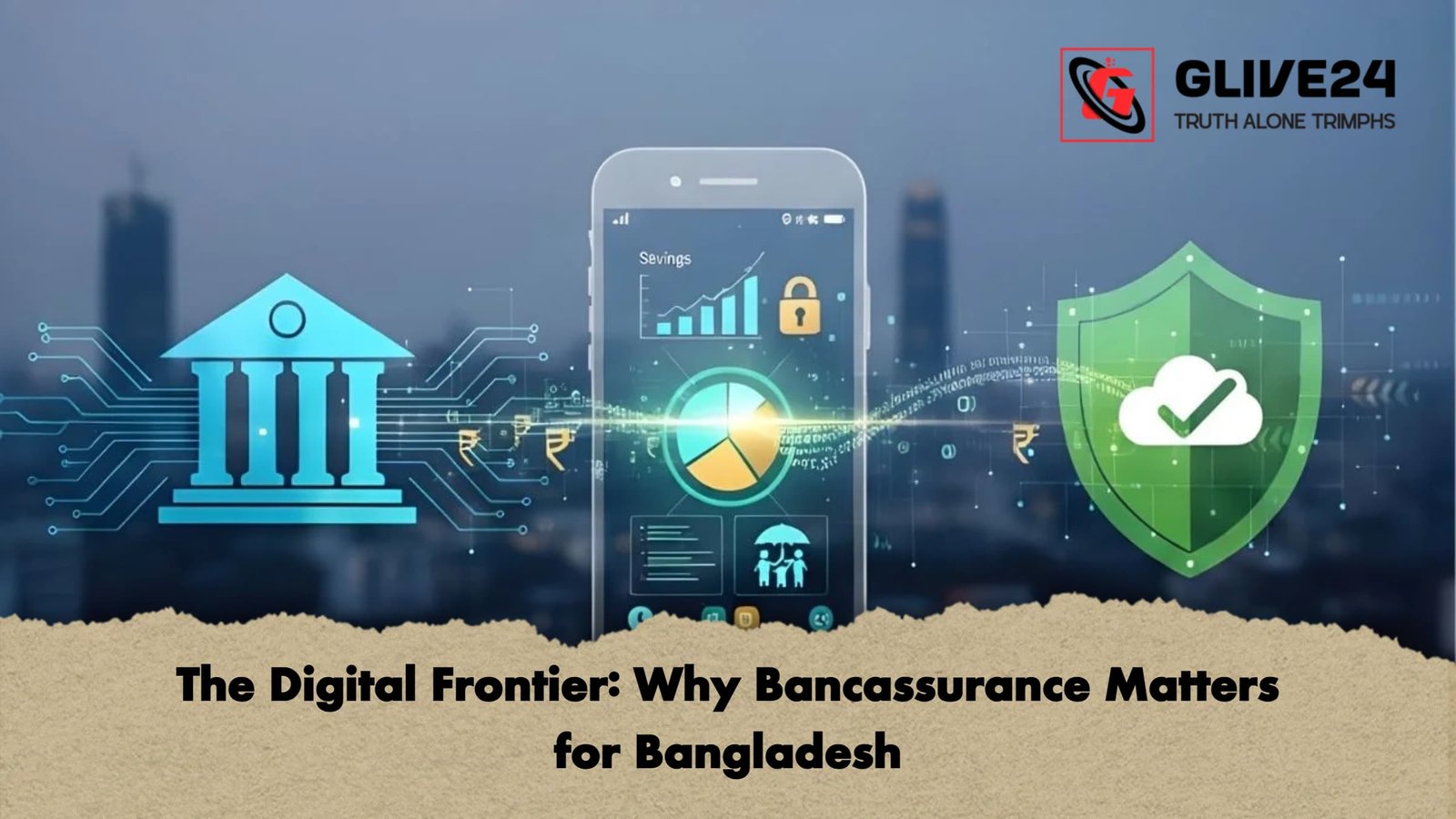
In the rapidly evolving financial landscape of Bangladesh, Bancassurance has transitioned from an experimental novelty to a vital strategic necessity. This symbiotic partnership between banks and insurance providers aims to create a “one-stop shop” for financial services. By integrating insurance products into the digital banking ecosystem, the sector is poised to offer a seamless experience where customers can manage their savings, investments, and risk protection through a single interface.
Table of Contents
Bridging the Trust Deficit
The success of Bancassurance in Bangladesh hinges primarily on the customer experience. For decades, the general populace has viewed the insurance industry with skepticism, often citing complex paperwork, opaque processes, and delays in claim settlements. Banks, however, enjoy a higher degree of institutional trust and possess vast physical and digital footprints.
By offering insurance through a bank’s trusted platform, providers can reshape public perception. When a policy is managed via a familiar banking app, the process becomes transparent and accessible. This integration not only simplifies the purchase of life or health cover but also streamlines the claims process, thereby fostering long-term consumer confidence.
Navigating the Regulatory Landscape
One of the primary challenges for the Bangladeshi market is the dual-regulatory framework, involving both the Bangladesh Bank and the Insurance Development and Regulatory Authority (IDRA). For Bancassurance to thrive, these two bodies must synchronise their policies. A successful model requires a digital infrastructure that automates compliance, ensuring that while the customer enjoys a frictionless journey, all legal safeguards and data privacy protocols are strictly upheld.
Strategic Synergy and Data Intelligence
The long-term viability of these partnerships depends on moving beyond short-term sales targets. The most successful collaborations are those that focus on organisational alignment and shared technological goals. By leveraging big data and advanced analytics, banks can provide insurers with insights into customer spending habits and risk profiles. This allows for the creation of “hyper-personalised” insurance products tailored to the specific needs of the individual.
Bancassurance Implementation Framework
| Strategic Pillar | Implementation Goal | Economic Outcome |
| Digital Synergy | Integration of insurance modules into mobile banking apps. | Reduced operational costs and 24/7 accessibility. |
| Data Analytics | Using banking history to assess risk. | Tailor-made premiums and relevant product suggestions. |
| Financial Inclusion | Expanding micro-insurance to rural SME clients. | Enhanced social safety nets for marginalised groups. |
| Governance | Aligning Bangladesh Bank and IDRA mandates. | Standardised service quality and consumer protection. |
Driving National Financial Inclusion
Bancassurance is a powerful tool for financial inclusion. Small-scale entrepreneurs and rural households, who may never step into a traditional insurance office, often maintain basic bank accounts. Through these existing relationships, banks can introduce affordable micro-insurance products that protect against crop failure, health emergencies, or business losses. This integration into the broader digital banking journey creates a resilient financial ecosystem.
As Bangladesh undergoes a rapid digital transformation, the convergence of banking and insurance represents a significant opportunity. By placing the consumer at the heart of the partnership and focusing on technological innovation, Bancassurance can become a transformative force in the nation’s journey toward a more inclusive and stable economy.