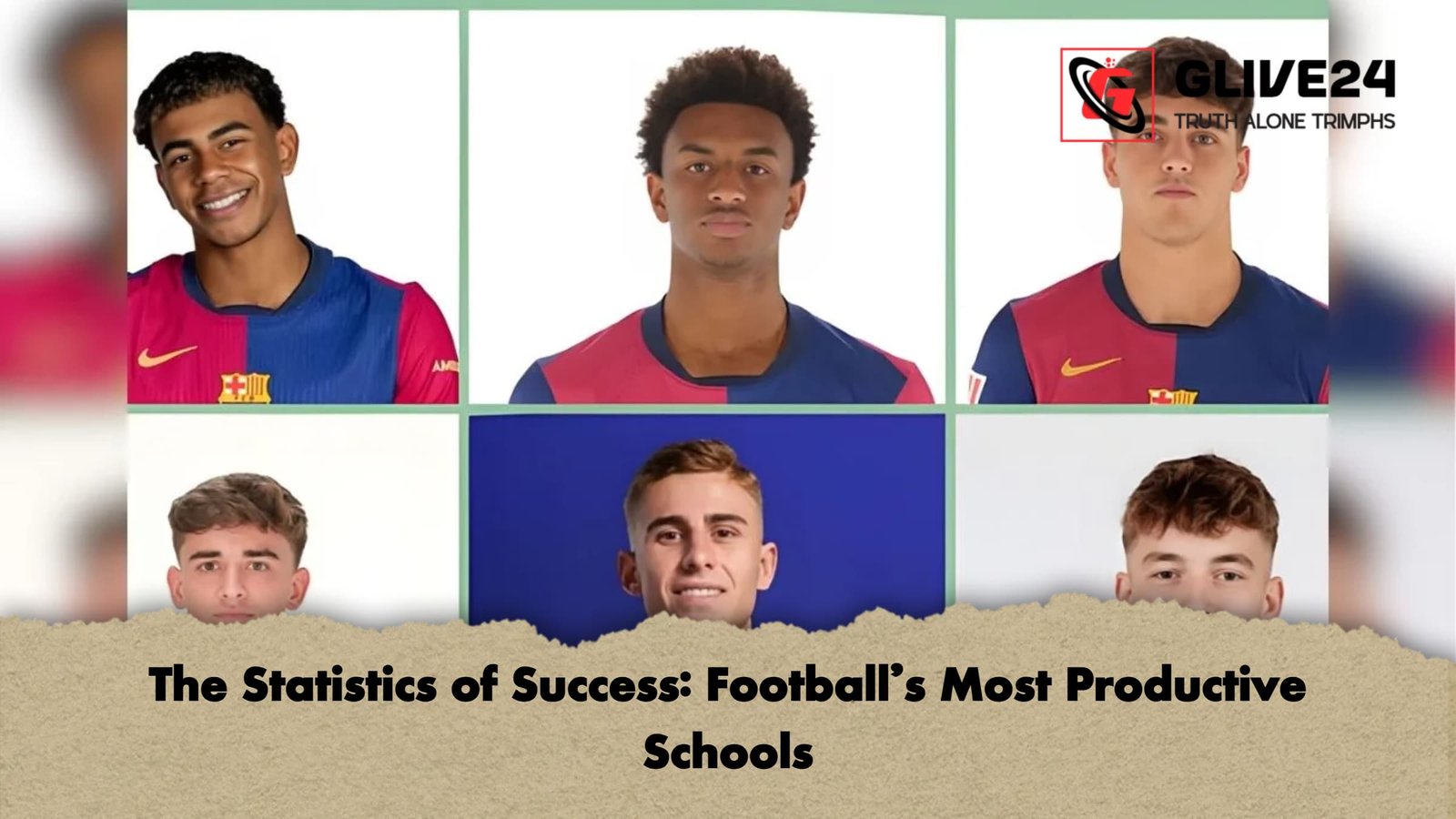
In the high-stakes world of elite football, a club’s success is often measured by its trophy cabinet or its spending power during the transfer window. However, a more profound metric of influence is the ability to cultivate talent from the ground up. According to the latest comprehensive study by the International Centre for Sports Studies (CIES) Football Observatory, the traditional Spanish powerhouses continue to dictate the pulse of European football through their prolific youth academies.
Table of Contents
The Prestige of the “Big Five”
The research focuses on the “Big Five” European leagues—the English Premier League, Spanish La Liga, German Bundesliga, Italian Serie A, and French Ligue 1. These divisions represent the pinnacle of professional football, and the CIES study identifies which clubs have produced the highest number of active players currently competing at this level.
La Masia: The Gold Standard
FC Barcelona remains the undisputed leader in youth development. Its world-renowned academy, La Masia, is not merely a training ground but a philosophical institution. Currently, 40 graduates from Barcelona are playing in the top five leagues. While the world remembers the era of Messi, Xavi, and Iniesta, the modern iteration continues to thrive with the emergence of young stars like Lamine Yamal and Pau Cubarsí, alongside dozens of others playing for various top-tier clubs across Europe.
Real Madrid’s Tactical Shift
While Real Madrid is often associated with the “Galáctico” policy of buying established stars, the data reveals a significant shift in their sporting model. La Fábrica (The Factory) ranks second globally, with 35 players currently active in the elite leagues. Interestingly, when the study accounts for “weighted minutes”—a metric measuring the actual impact and playing time of these graduates—Real Madrid often eclipses Barcelona, suggesting that their products are frequently starters for major European sides.
Leading Talent Academies for the “Big Five” Leagues
The following table highlights the top producers of professional talent currently active in Europe’s most prestigious domestic competitions:
| Rank | Club | Academy Graduates in “Big Five” | Primary League |
| 1 | FC Barcelona | 40 | La Liga |
| 2 | Real Madrid | 35 | La Liga |
| 3 | Paris Saint-Germain (PSG) | 31 | Ligue 1 |
| 4 | Stade Rennais | 29 | Ligue 1 |
| 5 | Chelsea FC | 26 | Premier League |
| 6 | Real Sociedad | 25 | La Liga |
| 7 | Lyon | 24 | Ligue 1 |
| 8 | Manchester United | 23 | Premier League |
| 9 | Valencia CF | 23 | La Liga |
| 10 | Arsenal FC | 22 | Premier League |
The French Revolution and Global Influence
One of the most striking revelations in the CIES report is the dominance of French clubs. PSG sits in third place, but it is Stade Rennais (4th) and Lyon (7th) that demonstrate the extraordinary efficiency of the French developmental system. Despite having smaller budgets than their English counterparts, these clubs have mastered the art of scouting and nurturing technical talent that eventually populates the Premier League and Bundesliga.
Beyond Europe, the study acknowledges the vital role of “feeder” clubs such as Ajax, Benfica, Flamengo, and River Plate. While their graduates may not immediately enter the “Big Five,” they form the backbone of the global footballing ecosystem, eventually migrating to Europe for record-breaking sums.
The data confirms a simple truth: while the biggest clubs can buy the present, only those with elite academies can truly claim to own the future of the sport.