
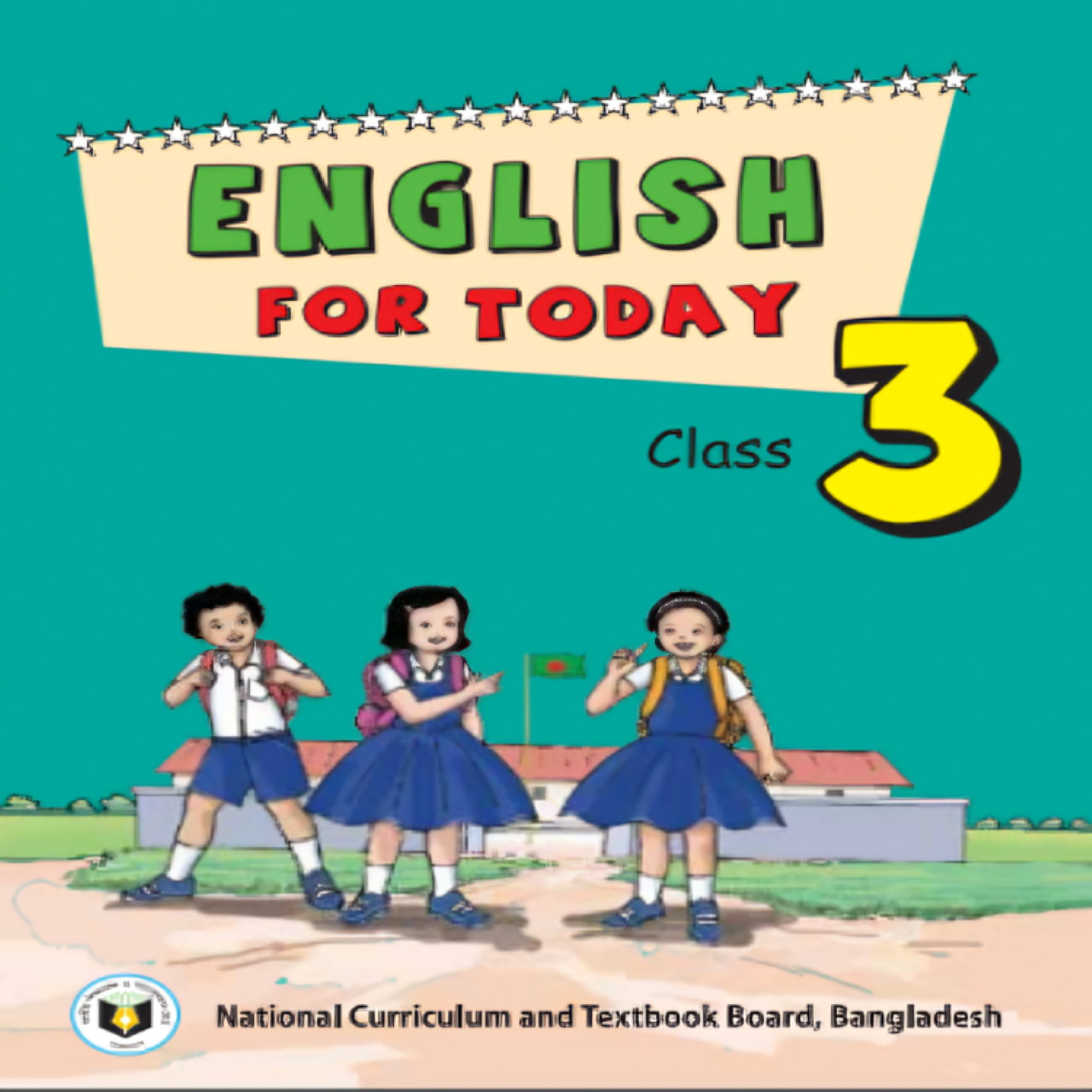
For years, the English For Today textbook has quietly endured an identity crisis. Compared with its fellow textbooks in the national curriculum, it has long suffered from a noticeably smaller readership. The irony is hard to miss: despite being present in the schoolbags and bookshelves of students across the country, it remains largely unread—particularly by those who already possess a basic command of the English language.
This lack of enthusiastic readership has translated into poor showings in numerous informal popularity polls, dealing a heavy blow to the book’s reputation and self-esteem. While other textbooks bask in dog-eared pages and highlighted paragraphs, English For Today often sits pristine and untouched, its simplicity both its defining feature and its greatest curse.
At last, frustrated and feeling overlooked, the book has decided to speak up.
“Ask me anything,” it announced confidently during an exclusive interview. “I’m an open book.”
When asked whether its primary concern was that students find it too simple, the response was immediate.
“Exactly,” it said. “I knew I wouldn’t be the most exciting read—I am a textbook, after all. But this? Some of these students read software terms and conditions more often than they read me.”
The book went on to lament its position within the curriculum hierarchy.
“It’s tough being less popular than the others. If all of us textbooks were One Direction, I’d be Liam Payne. People don’t want to admit it, but let’s be honest—no one really pays attention to him.”
The tone darkened as it reflected on strained relationships with its peers.
“That Chowdhury and Hossain book has developed a real attitude lately. One ‘Journey by Boat’ essay and suddenly it thinks it’s The Kite Runner. And don’t even get me started on the STEM books.”
To balance the narrative, our team sought opinions from students themselves.
One SSC candidate from Dhaka was blunt:
“The dialogues sound nothing like real conversations. In Unit Two, someone starts with, ‘I really wonder how pastimes vary from generation to generation.’ I’ve never said that to a friend—and I never will.”
Others were more forgiving.
“I think it’s quite fun,” said another student. “I especially enjoy drawing moustaches on the character illustrations during class.”
Despite the criticism, English For Today remains defiant in its mission.
“Kids,” it urged, “the name is English for Today—not English for Tomorrow, not English for Next Month, and definitely not English Only When the Teacher Forces You. So let’s get moving.”
How Students Really Use English For Today
| Student Interaction | Common Behaviour |
|---|---|
| Reading lessons | Rare, usually before exams |
| Class usage | Minimal engagement |
| Artistic contribution | Frequent doodling |
| Emotional attachment | Limited |
| Ownership | Almost universal |
Today, the book lies quietly in the corners of countless study tables, buried under dust, cobwebs, and the quiet weight of comparison. Still, it tries to remain optimistic.
“At least I’m doing better than the Work and Life Oriented Education book,” it said with a sigh.
One can only hope that someday, English For Today will finally find not just a place in students’ homes—but a place in their hearts as well.