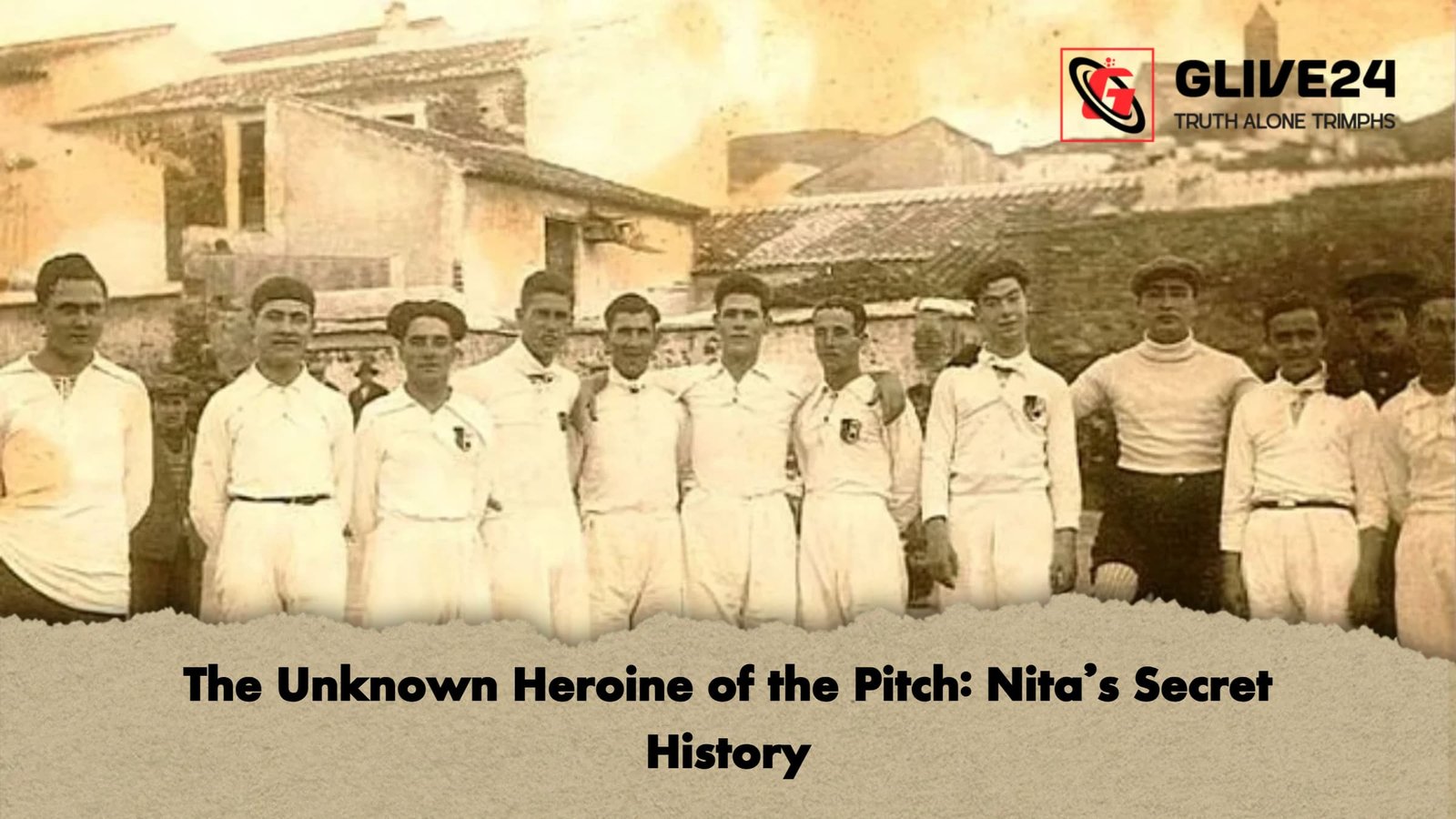
In the classic Indian film Meghe Dhaka Tara, the protagonist Nita is a woman overshadowed by the clouds of societal expectation and sacrifice. Halfway across the world, in the sun-drenched, dusty landscapes of early 20th-century Spain, another Nita lived a life similarly “shrouded by clouds.” For over half a century, the story of the woman who played football disguised as a man remained a hushed “gentleman’s agreement” until resurrected by the tireless research of Malaga sports journalist and collector, Jesús Hurtado.
Table of Contents
Rebirthing a Legend: The Discovery of ‘Veleta’
While researching the centenary of the Spanish fourth-division club Vélez CF, Hurtado encountered a recurring nickname in the archives of the 1920s: “Veleta.” Documentation from that era was notoriously sparse, often listing players only by aliases. When Hurtado pressed surviving veterans and locals for information, he met a wall of silence or cryptic smiles. Some suggested Veleta was “different,” leading Hurtado to wonder if the player was a war refugee or perhaps homosexual.
The truth was far more subversive. A former teammate finally broke the silence: “Veleta was actually a woman. She played better than us, so we never revealed her identity. It was a mutual pact of silence.”
Ana Carmona Ruiz: The Birth of Nita
Hurtado’s curiosity led him to the woman behind the myth: Ana Carmona Ruiz, born on 16 March 1908, in Malaga. Her father, Andrés, a dockworker, affectionately called her “Nita.” Growing up near the port, Nita watched English sailors play football—a sport that was strictly a male preserve in Spain’s patriarchal society.
Despite suffering physical punishment from her parents and ridicule from neighbours, Nita’s passion remained unquenchable. Her journey began at Sporting Club de Malaga, aided by a sympathetic priest, Francisco Miguez, who allowed her to practice alone after the boys had finished.
The Great Disguise: Midfielder by Day, Woman by Night
To bypass the strict gender prohibitions of the Iberian Football Board, Nita devised a transformation. She cut her hair short, hid it under a thick woollen beret, and used cotton bandages to bind her chest. Wearing baggy shirts and loose trousers, she became “Veleta” (the Weather Vane)—a name hinting at her dual identity.
At Vélez CF, she found a home. The club’s captain and her cousin helped her secure a job as a kit-manager and masseuse, providing the perfect cover. On match days, she would enter the dressing room as a cleaner and emerge as a tactical midfielder wearing the Number 10 jersey.
| Profile Detail | Information |
| Real Name | Ana Carmona Ruiz |
| Pseudonym | Veleta |
| Active Years | 1927–1929 (with Vélez CF) |
| Primary Position | Midfield Playmaker |
| Tactical Role | Goal Scorer and Assist Specialist |
| Final Rest | Buried in a Sporting Club de Malaga Jersey |
A Tragic End and Lasting Legacy
Nita’s career was cut short in 1929 when regional football boards intensified inspections, specifically targeting the infiltration of women into men’s squads. Security guards were ordered to bar any woman from entering male dressing rooms, effectively ending her time on the pitch.
Nita passed away in 1940 from typhus fever at the age of only 32. In a final act of defiance and honour, she was buried in her football kit. Today, as women’s football flourishes globally, Nita stands as a pioneer—not merely as a player, but as a woman who broke every rule to play the game she loved.