Stepping onto the tarmac in the Comoros feels less like arriving at a typical Indian Ocean holiday resort and more like stepping onto the edge of an undiscovered world. While neighboring island nations like Mauritius, the Seychelles, or Zanzibar have long been polished into smooth, heavily touristed gems complete with luxury mega-resorts and bustling tourist strips, the Comoros remains delightfully, stubbornly raw.
Floating in the warm, turquoise expanse of the Mozambique Channel between the eastern coast of mainland Africa and the northern tip of Madagascar, this volcanic archipelago is a well-kept secret. It is a nation of dramatic vertical landscapes, boiling calderas, ancient medinas, and pristine marine sanctuaries where sea turtles outnumber tourists by a thousand to one.
For the intrepid traveler willing to trade predictable resort comforts for raw adventure, cultural authenticity, and breathtaking natural beauty, the Comoros is a revelation. Here is your comprehensive guide to exploring the volcanic peaks, hidden waterfalls, and rich island culture of Africa’s quietest paradise.
Table of Contents
An Introduction to the Islands
The Union of the Comoros is a sovereign volcanic archipelago consisting of three main islands—Grande Comore (Ngazidja), Mohéli (Mwali), and Anjouan (Nzwani)—along with several smaller islets. (A fourth island in the geographic archipelago, Mayotte, remains a French department).
The nation’s unique character is shaped by its profound historical crossroads. For centuries, these shores have witnessed the convergence of Arab traders, African kingdoms, Persian mariners, and French colonial influence. This rich heritage pulses through the local culture, language, architecture, and cuisine. Islam is practiced by the vast majority of the population, framing daily life with a deep sense of community, tradition, and hospitality.
Because mass tourism has completely bypassed the islands, traveling here requires a spirit of flexibility. Infrastructure is limited, schedules can shift with the island breeze, and luxury amenities are sparse. But for those who view travel as an authentic exchange rather than a manufactured holiday, the Comoros offers an unmatched reward.
Grande Comore (Ngazidja): Fire, Stone, and Culture
Your journey into the Comoros will almost certainly begin on Grande Comore, the largest and most geographically imposing island of the nation. It is a land shaped entirely by fire and volcanic fury, dominated by the brooding presence of Mount Karthala.
Moroni: The Labyrinth Capital
The island—and the nation—is anchored by its capital, Moroni. Unlike the sterile, modern skylines of many global capitals, Moroni is a living, breathing history book.
-
The Old Medina: The heart of the city is its ancient Arab medina, a tightly packed maze of narrow, winding alleyways where cars cannot go. Walking through the medina feels like traveling back centuries. The architecture is a stunning blend of Swahili and Arab design, featuring white coral-stone houses, overhanging wooden balconies, and heavy, intricately carved wooden doors that hint at the wealth of old maritime merchants.
-
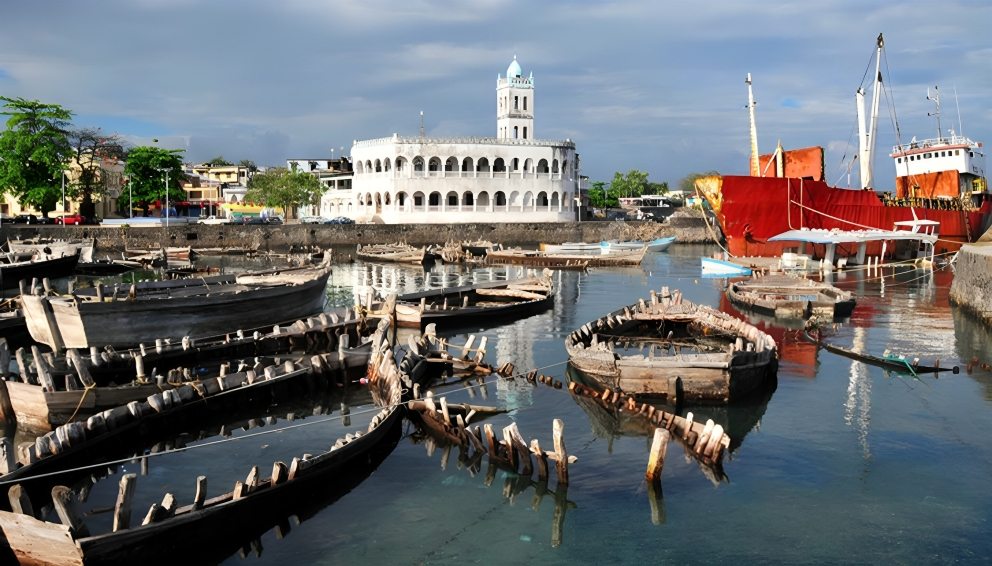
The Karthala Mosque: Overlooking the harbor stands the old Friday Mosque (Mosquée du Vendredi), its minaret rising gracefully against the backdrop of the ocean. It serves as a peaceful sentinel over the bustling port where traditional wooden dhows still unload goods just as they have for generations.
Mount Karthala: Conquering the Giant
For adventure seekers, Grande Comore is synonymous with Mount Karthala, an active volcano that dominates the southern half of the island and stands at an impressive 2,361 meters.
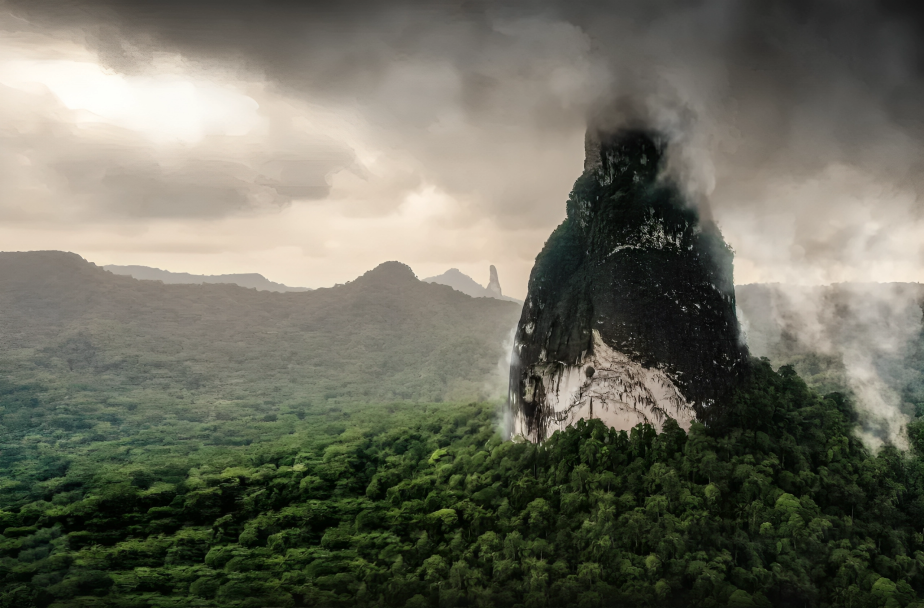
Climbing Karthala is not a casual stroll; it is a physically demanding, rugged expedition that requires mental grit and physical endurance. The trek takes you through shifting climate zones—starting in humid tropical rainforests filled with endemic birdlife, moving up through dense bands of giant heather, and finally breaking out onto a stark, lunar landscape of black volcanic ash, sulfur vents, and jagged rock.
The summit rewards your exhaustion with one of the largest active craters in the world, spanning nearly three kilometers across. On a clear day, the view stretches across the Mozambique Channel, offering a humbling reminder of the raw geological forces that birthed these islands. Because conditions can change rapidly and trails are steep, hiring a local guide from a nearby village is essential.
Lac Salé and Coastal Wonders
Away from the mountain, Grande Comore offers other natural curiosities, such as Lac Salé (Salt Lake). Located in the northernmost tip of the island in Bangoi Kouni, this deep crater lake is shrouded in local folklore. The water is hyper-saline and deep green, sitting inside a volcanic explosion crater that rises dramatically just meters from the crashing waves of the ocean. Local legends claim that anyone who swims in it will vanish or face the wrath of spirits, adding an eerie, mystical aura to its striking beauty.
Mohéli (Mwali): The Marine Sanctuary and Quiet Haven
If Grande Comore represents the fiery, volcanic power of the nation, Mohéli is its tranquil, green heart. As the smallest of the three main islands, Mohéli is fiercely protective of its natural environment, making it a dream destination for conservationists, marine biologists, and slow-travel enthusiasts.
The Marine Park and Nesting Turtles
Mohéli is home to the Comoros’ first national park, the Mohéli Marine Park (Parc National Marin de Mohéli), which encompasses the southern coast and several offshore islets. This protected marine ecosystem is one of the most important wildlife nurseries in the western Indian Ocean.
-
Green Sea Turtles: The island’s golden-sand beaches are world-renowned nesting grounds for endangered green sea turtles. By night, visitors accompanied by local conservation rangers can witness massive female turtles hauling themselves out of the surf to dig nests and lay eggs in the moonlight. If you time your visit right between July and October, you might even see tiny hatchlings making their frantic, brave dash toward the breaking waves.
-
Whales and Dolphins: The warm waters surrounding Mohéli are a seasonal playground for humpback whales, which migrate to the channel between July and September to calve and nurse their young. Spinner dolphins are also frequent visitors to the bays, often riding the bow waves of local fishing boats.
Rare Wildlife on Land
Mohéli’s dense, protected forests harbor unique endemic species found nowhere else on the planet. Among the most famous is Livingstone’s fruit bat (Pteropus livingstonii). With a massive wingspan reaching up to two meters, this rare, golden-backed bat glides silently over the forest canopy at dusk, serving as a vital seed disperser for the island’s ancient trees. Birdwatchers will also find an array of endemic forest birds, making every hike a treasure hunt.
Anjouan (Nzwani): The Pearl of the Comoros
Often called the “Pearl of the Comoros,” Anjouan offers a striking visual contrast to the flat coastal regions and dark volcanic ash of its sister islands. It is a dramatic, steep, and intensely verdant island where nature feels amplified.
Mountains, Jungles, and Hidden Waterfalls
Anjouan’s interior is a rugged labyrinth of razor-sharp mountain ridges, deep river valleys, and dense rainforests blanketed in mist. Because the island receives high amounts of rainfall, it is crisscrossed by rushing streams that plunge over cliff faces into hidden pools.
-
Hiking Anjouan: Trails wind through lush plantations of ylang-ylang (used to produce essential oils for global perfumes), cloves, and vanilla, filling the mountain air with a heavy, sweet aroma.
-
Mutsamudu: The capital, Mutsamudu, is a stunning historic port city characterized by narrow, winding streets, ancient stone staircases, and multi-story houses built during the Omani sultanate era in the late 18th century. Its citadel towers over the harbor, offering a sweeping view of the Indian Ocean and a tangible link to the island’s complex geopolitical past.
Practical Guide for the Traveler
Navigating a destination as untouched as the Comoros requires preparation, respect, and a distinct mindset. Here is what you need to know before you book your ticket.
When to Visit
The best time to visit the Comoros is during the cooler, dry season running from June to October. During these months, the humidity drops, rainfall is minimal, and temperatures are comfortable for hiking Mount Karthala, exploring medinas, and tracking marine wildlife. The period from July to September is particularly magical as it coincides with the humpback whale migration and turtle nesting seasons.
How to Reach the Islands
International flights land at Prince Said Ibrahim International Airport (HAH), located near Moroni on Grande Comore. Connectivity is limited compared to major global hubs, but regional carriers such as Kenya Airways and Ethiopian Airlines operate regular flights linking the Comoros to major African transit hubs like Nairobi and Addis Ababa.
If you plan to island-hop to Mohéli or Anjouan, you will need to rely on local maritime transport (such as traditional motorboats or local ferries) or small regional hopper flights. Always build flexibility into your itinerary, as sea conditions and flight schedules can change unexpectedly.
Respecting Local Customs
The Comoros is a deeply traditional, conservative Islamic society. Visitors should be mindful of local cultural norms to ensure respectful interactions:
-
Dress Modestly: Outside of the immediate beach or resort areas, both men and women should dress modestly. Shoulders and knees should be covered, particularly when walking through historical towns like Moroni or Mutsamudu.
-
Cultural Sensitivity: Always ask permission before photographing local residents, respect local prayer times, and greet people politely in French or Comorian Arabic. A simple “Mbalo” (Thank you in Comorian) or “Bonjour” goes a long way in opening doors and building warm connections.
Understanding Tourism Infrastructure
Travelers must abandon expectations of polished Western resort infrastructure. Luxury hotels are rare, ATMs can be unreliable, credit card acceptance is limited (cash—both Euros and the Comorian Franc—is king), and English is rarely spoken outside of high-end tourism touchpoints.
However, this lack of commercialization is precisely the magic of the Comoros. It is a destination that forces you to slow down, practice patience, and embrace the unexpected.
Who Should Visit the Comoros?
The Comoros is not designed for the traveler looking for all-inclusive resorts, frantic itineraries, or pampered luxury. It can occasionally test your patience, and things rarely run strictly on schedule.
Instead, the Comoros is a sanctuary for the true explorer. It calls out to the hiker willing to sweat up an active volcano, the marine conservationist eager to watch sea turtles under the stars, the history buff drawn to ancient Swahili architecture, and the cultural traveler seeking a place untouched by mass tourism. Those who arrive with an open mind, a flexible schedule, and a deep respect for local traditions will discover one of the last truly authentic island frontiers on Earth.