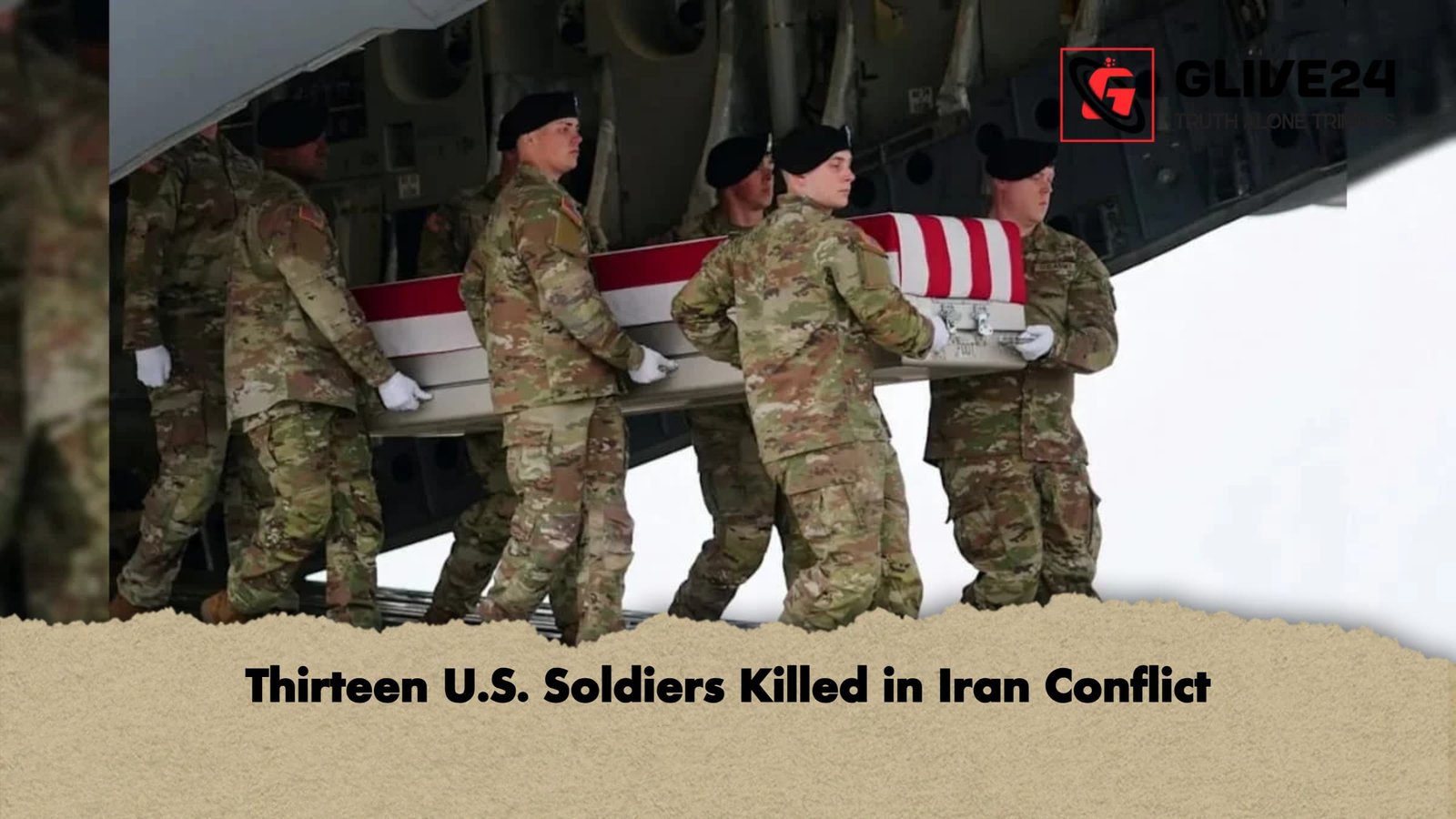
The ongoing conflict between the United States and Iran has so far resulted in the deaths of 13 U.S. soldiers, with an additional 200 injured, according to officials. Of the injured, 10 are reported to be in critical condition, the U.S. Central Command spokesperson, Captain Tim Hawkins, confirmed.
This information was reported on Tuesday (17 March) by Qatar-based news outlet Al Jazeera. Captain Hawkins added that a significant number of the wounded have already recovered sufficiently to return to duty. To date, approximately 180 service members have resumed operational responsibilities, highlighting a partial restoration of the affected military units.
Nature of Injuries
According to military sources, the injuries sustained by U.S. personnel include:
Burns from explosions
Blast-related trauma
Traumatic brain injuries
Injuries from shrapnel
Captain Hawkins emphasised that many of these injuries were caused by Iran’s unilateral drone strikes, which military officials have identified as the leading cause of casualties in recent engagements. Last week, General Dan Keen, Chairman of the U.S. Joint Chiefs of Staff, stated that drone attacks have accounted for the majority of fatalities.
Timeline of Key Military Actions
The United States and Israel launched a joint military operation in Iran on 28 February. Since then, Iran has conducted several retaliatory attacks, particularly targeting U.S. allies in the Gulf region.
| Date | Type of Attack | Target/Location | U.S. Casualties | Iranian Retaliation |
|---|---|---|---|---|
| 28 Feb | Joint military strike | Iranian regional bases | 2 killed, 20 injured | – |
| 3 Mar | Drone strike | Military installation | 1 injured, 5 minor injuries | Minor counterattacks |
| 10 Mar | Combined drone/rocket | Coordinated units | 4 killed, 30 injured | Limited strikes in Gulf |
| 16 Mar | Drone explosion | Military facility | 2 killed, 15 injured | Minor retaliatory actions |
Military officials stress that the nature of these injuries and the operational impact is significant. Many soldiers suffered from blast trauma, shrapnel wounds, and brain injuries, all indicative of the increasingly sophisticated nature of drone warfare.
Regional and Strategic Implications
Analysts warn that continued escalation, particularly via drone and missile attacks, could destabilise the Gulf region and have broader implications for international security. The U.S. military has emphasised ongoing precautionary measures, including enhanced troop protection and rapid medical evacuation protocols, to reduce further casualties.
The conflict remains fluid, with the potential for intensified clashes as both sides maintain aggressive postures. U.S. and allied forces continue to monitor Iranian operations closely, while diplomatic channels remain limited amid rising tensions.