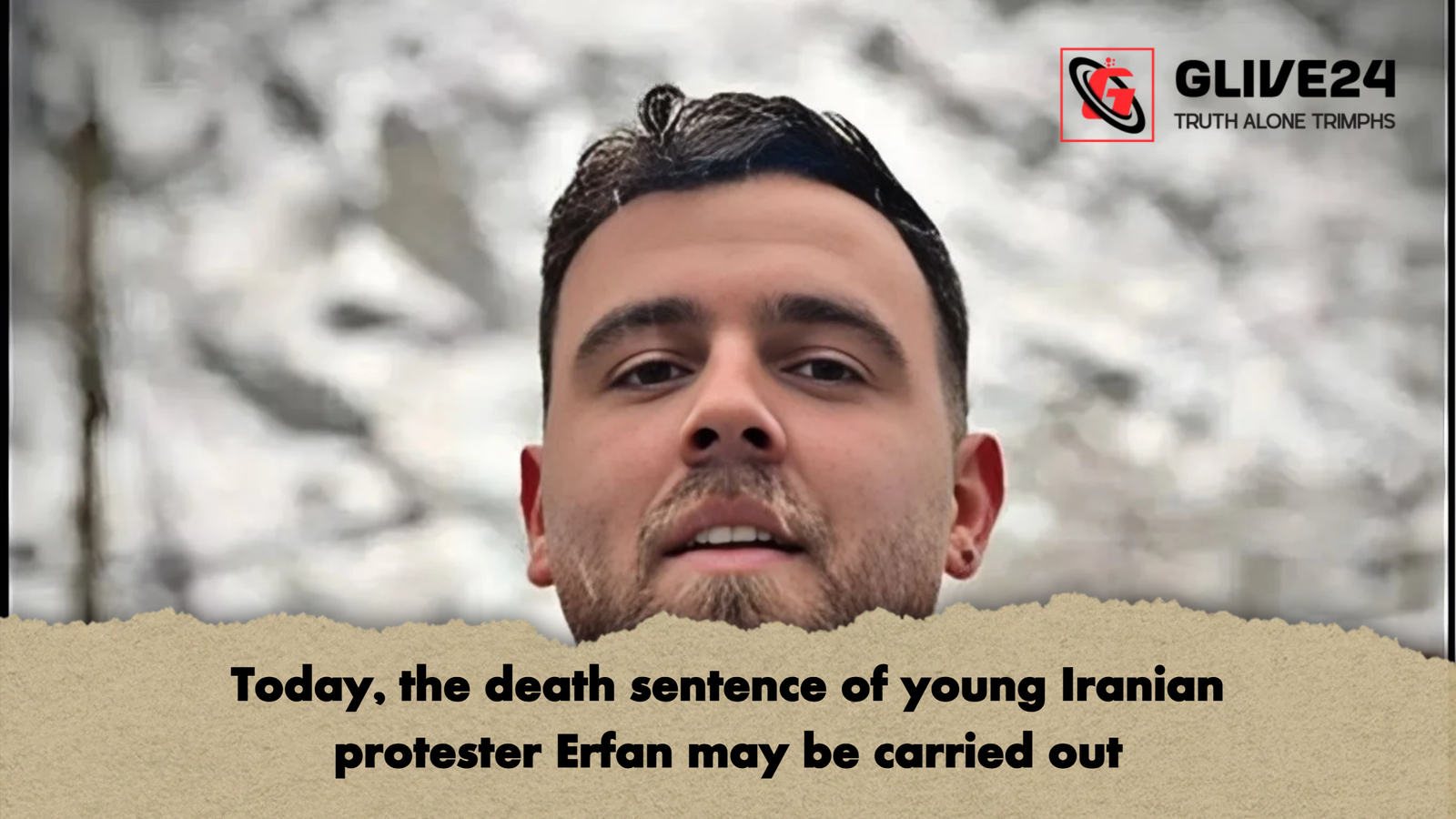
Iran is facing renewed international scrutiny amid reports that the death sentence of a young protester, Erfan Soltani, could be carried out as early as Wednesday. Soltani, aged 26, was arrested in connection with the ongoing nationwide protests and has since been sentenced to death following what rights groups describe as an exceptionally swift judicial process.
The Norway-based Hengaw Organisation for Human Rights, which monitors the human rights situation in Iran and the Kurdistan region, first reported the imminent risk of execution. According to the organisation, Soltani was arrested from his home last Thursday and, within less than a week, was tried, convicted and sentenced—an accelerated process that has drawn sharp criticism from international observers.
Soltani was detained in Karaj, a city northwest of Tehran that has been one of the flashpoints of recent unrest. At the time of his arrest, demonstrations in the city were intensifying, shortly before authorities imposed internet restrictions. Over the past week alone, thousands of protesters have reportedly been detained across the country, with Soltani among those swept up in the crackdown.
Amnesty International has expressed grave concern, warning that Iranian authorities may once again resort to “hasty trials and arbitrary executions to silence dissent”. Citing informed sources, the organisation stated that officials notified Soltani’s family of his death sentence on 11 January. Due to widespread internet shutdowns and heightened security measures, Soltani has reportedly been unable to communicate with his family since last Thursday.
Human rights monitors consistently rank Iran among the world’s leading executioners. According to the Norway-based Iran Human Rights group, at least 1,500 people were executed in Iran last year alone, placing the country second only to China in the number of death sentences carried out.
The current wave of unrest is described as the largest anti-government movement since 2022. Initially sparked by rising inflation and economic hardship, the protests have rapidly taken on a political character. Demonstrations began on 28 December and have since spread to large parts of the country, including Tehran and other major cities. Protesters are now openly calling for an end to the current system of governance.
An Iranian government official told Reuters that at least 2,500 people, including members of the security forces, have been killed during the unrest—figures that underline the scale and intensity of the confrontation. The Iranian authorities, however, reject accusations of repression and have blamed the United States and Israel for allegedly fomenting instability.
Key Facts at a Glance
| Issue | Details |
|---|---|
| Name of detainee | Erfan Soltani |
| Age | 26 |
| Place of arrest | Karaj, northwest of Tehran |
| Allegation | Involvement in anti-government protests |
| Judicial process | Arrest, trial and sentencing within one week |
| Reported executions in Iran (last year) | At least 1,500 |
| Start of current protests | 28 December |
| Reported deaths during protests | At least 2,500 |
As global attention intensifies, rights organisations are urging Tehran to halt the execution and to uphold due process. The fate of Erfan Soltani is increasingly seen as a stark test of Iran’s response to dissent and its willingness to heed international calls for restraint.