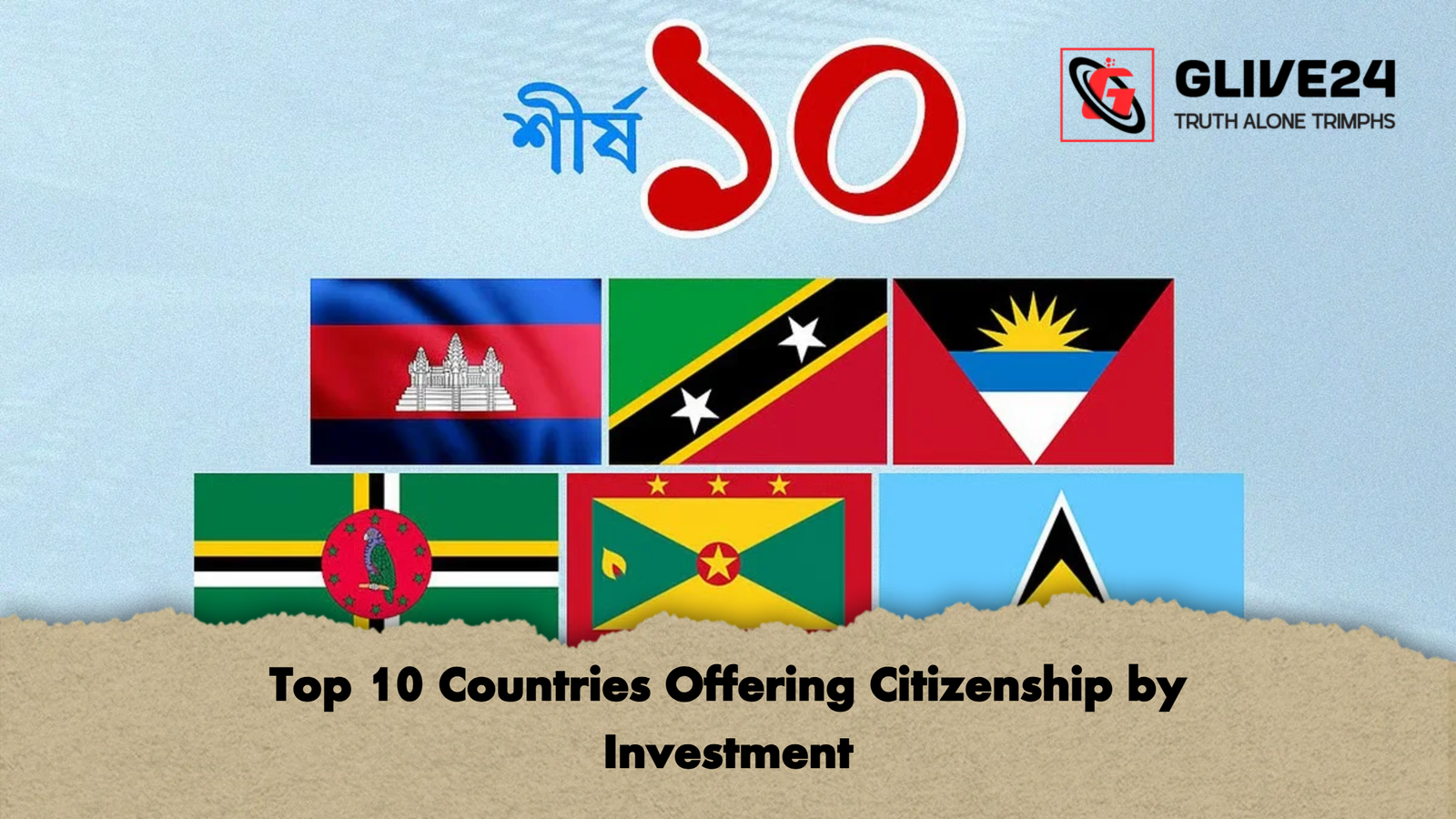
The pursuit of alternative citizenship or a second passport has become increasingly common worldwide, particularly among those seeking security amid uncertain political or economic conditions. A recent survey revealed that nearly half of all American citizens either already hold a second passport or are interested in obtaining one, while approximately 40% have considered or are planning to live abroad.
According to the U.S. Department of Defense, around 4.4 million American citizens were living overseas in 2022, representing a 42% increase compared to 2010. Experts suggest that the primary motivation for acquiring a second citizenship is often not relocation itself but rather creating a viable alternative in uncertain times.
In recent years, citizenship through investment has gained particular prominence. These programmes allow investors to obtain full citizenship, including a passport, in exchange for specific financial contributions. However, the sector has undergone significant changes over the past decade. Regulatory tightening, diplomatic pressures, and scandals have led many countries to impose stricter controls on citizenship-by-investment schemes.
International Living magazine (2026) has published a list of countries where citizenship can be obtained relatively quickly and with comparatively minimal bureaucracy. Caribbean nations consistently lead the way in these programmes, attracting considerable interest from both American and European investors. Some European and Asian countries also feature in the list, offering diverse investment options and strategic benefits.
Citizenship by Investment: Top 10 Countries
| Rank | Country | Minimum Investment | Investment Type | Residency Requirement | Notable Benefits |
|---|---|---|---|---|---|
| 1 | Cambodia | $245,000 | Government fund, real estate, business | None | Affordable compared to Caribbean/EU programmes |
| 2 | Jordan | $1,400,000 | Major economic projects, real estate, bank deposits | None | Access to regional business opportunities, tailored for high-net-worth individuals |
| 3 | Egypt | $100,000 donation / $500,000 bank deposit | 3-year deposit | None | Encourages foreign investment; offers residence and business advantages |
| 4 | Turkey | $400,000 real estate / $500,000 bank deposit | 3-year investment | None | Geopolitical bridge between Europe and Asia; EU residency not included |
| 5 | North Macedonia | €200,000 | Approved investment | 3 years | EU-adjacent location; EU member status not included |
| 6 | Saint Lucia | $240,000 donation / $300,000 real estate | Investment | None | No residency requirement |
| 7 | Grenada | $235,000 donation / approved real estate | Investment | None | Qualifies for U.S. E-2 Investor Visa |
| 8 | Dominica | $200,000 donation / approved real estate | Investment | None | Low-cost programme; no residency requirement; visa-free travel under review |
| 9 | Antigua & Barbuda | $230,000 donation / $300,000 real estate | Investment | Minimum 5 days in first 5 years | Flexible programme with some residency obligations |
| 10 | Saint Kitts & Nevis | $250,000 government fund / $325,000 real estate | 7-year real estate ownership | None | Pioneer of modern CBI model; no residency requirement |
Caribbean countries such as Saint Kitts & Nevis, Grenada, Dominica, and Saint Lucia remain particularly attractive to international investors due to their streamlined processes, visa-free travel opportunities, and comparatively lower costs. Outside the Caribbean, Cambodia and Egypt offer affordable pathways, while Jordan and Turkey cater to high-net-worth investors seeking strategic geographic or business advantages.
Overall, citizenship-by-investment programmes are gaining traction as a practical option for individuals seeking global mobility, economic opportunities, and security in an increasingly uncertain world. These schemes combine financial investment with strategic citizenship benefits, making them a compelling choice for international investors.