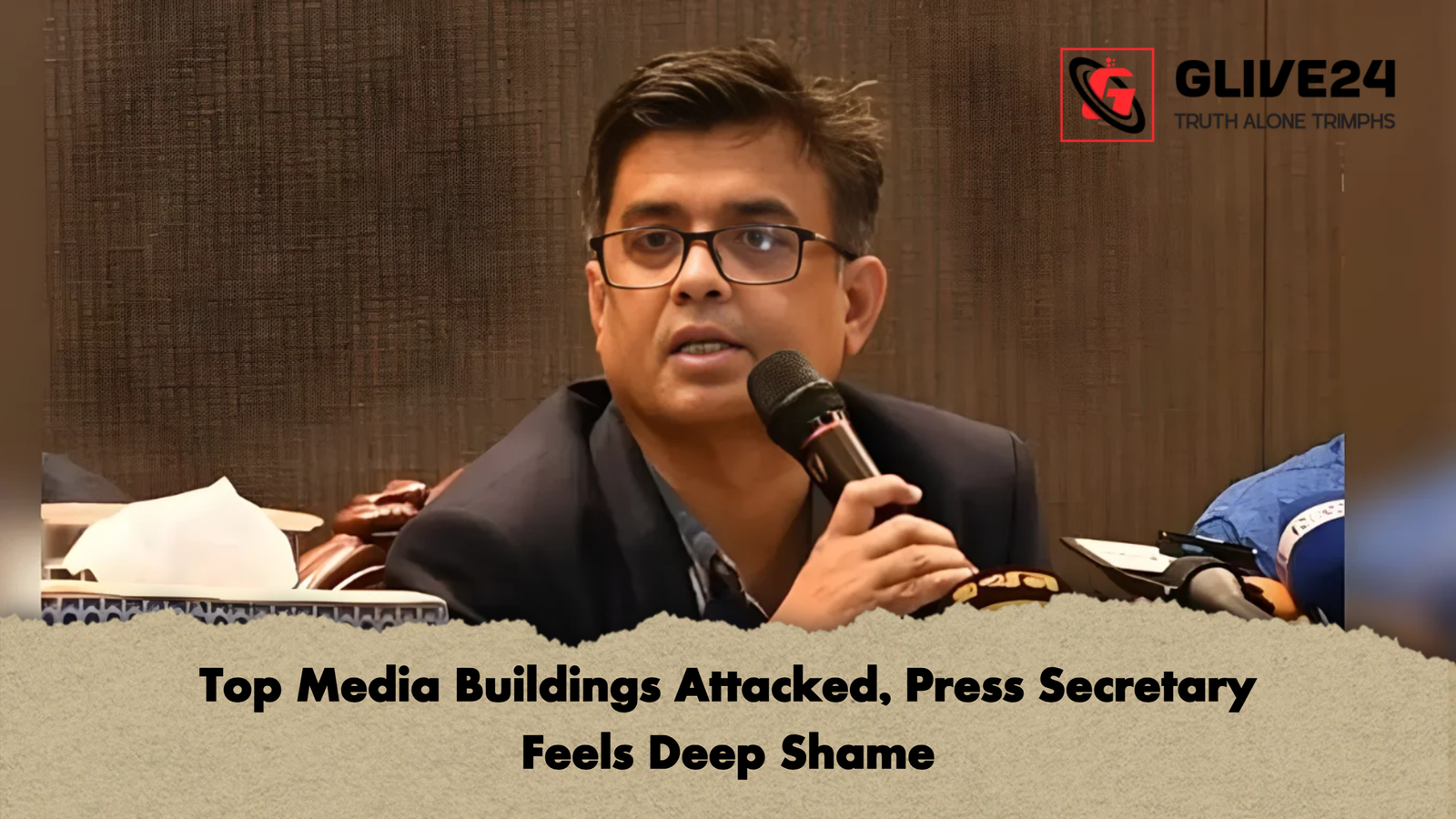
The offices of Bangladesh’s premier newspapers, Dainik Prothom Alo and The Daily Star, were violently attacked and set ablaze in a shocking episode of unrest, prompting a public expression of regret from Shafiqul Alam, the Press Secretary to the Prime Minister’s Principal Adviser. A former journalist himself, Alam openly acknowledged a profound personal failure, stating, “As a former journalist, all I can say is— I am deeply sorry.”
In a detailed Facebook post, Alam recounted the nightmarish events, explaining that throughout the evening he had received repeated urgent calls from colleagues trapped inside both newspaper offices. “The helpless voices of my friends continue to haunt me,” he wrote. “I exhausted every possible avenue to mobilise immediate assistance, contacting all relevant authorities to provide support, yet tragically, it was not possible in time.”
Alam added that it was only after he was assured that all journalists trapped inside The Daily Star had been safely evacuated that he was able to rest. By that point, however, both major media outlets had already suffered extensive damage, with reports of vandalism, fire, and widespread chaos.
Reflecting on the incident, Alam expressed his profound shame: “I am utterly ashamed. I cannot imagine any words that can console the losses incurred. If it were possible, I would bury myself in the ground out of sheer embarrassment.” His heartfelt statement underscores the deep personal and professional responsibility he felt as a former journalist confronted with the helplessness of the situation.
The attacks followed news of the death of Sharif Osman Hadi, convenor of the Inkilab Manch, late on Thursday night. Around midnight, a group of individuals first stormed the offices of Prothom Alo, followed by The Daily Star, engaging in widespread arson and vandalism. Numerous journalists were trapped inside both buildings, and Nurul Kabir, editor of the English daily New Age, also faced obstruction from protestors while attempting to reach the premises.
The violent incidents have sent shockwaves throughout Bangladesh’s journalistic community, prompting widespread concern, condemnation, and anger. Alam’s public admission of regret not only conveys his personal remorse but also raises urgent questions about the safety of media personnel and the responsibilities of the authorities during civil unrest. His post has sparked extensive discussion on social media, with many citizens calling for decisive governmental measures to ensure the protection of news organisations and the journalists who work within them.