
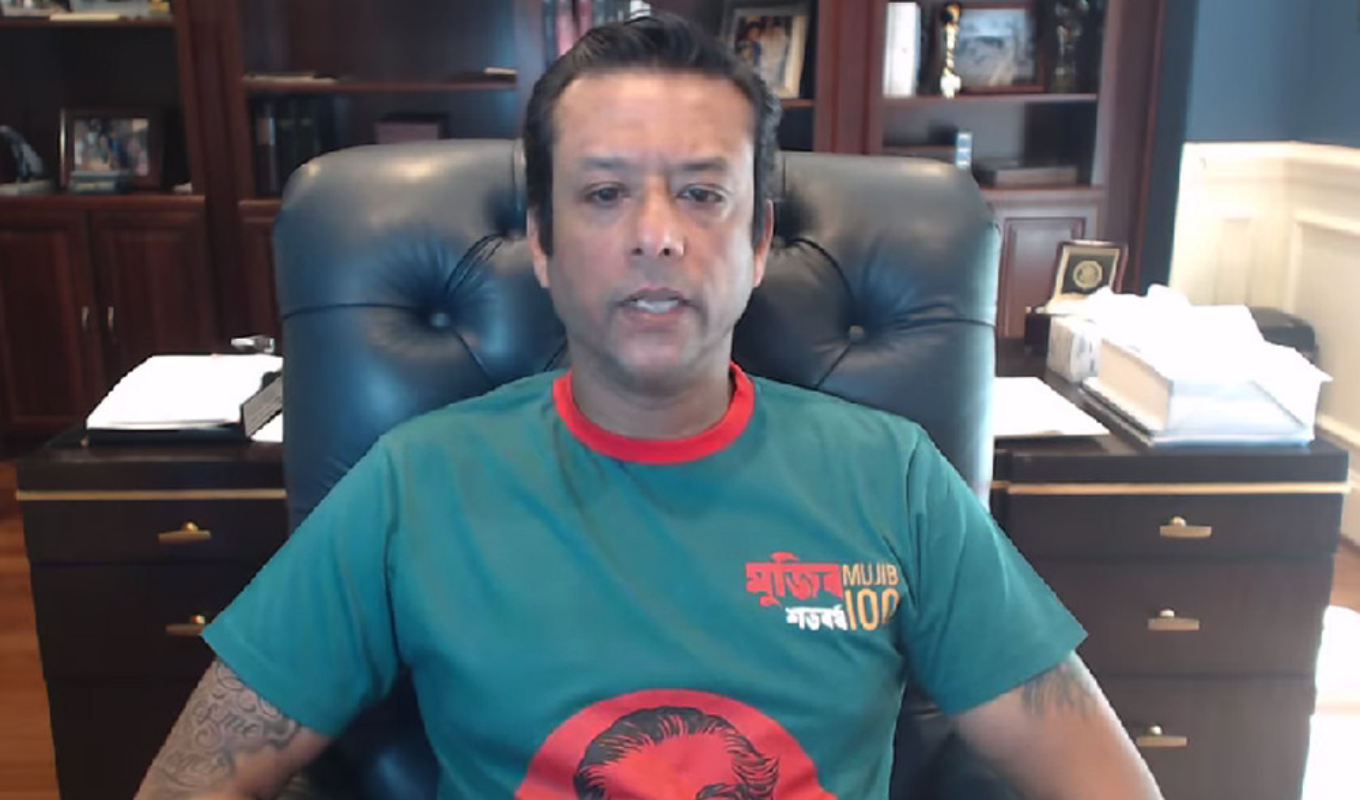
The International Crimes Tribunal has formally taken cognisance of charges against Sajeeb Wazed Joy, son of former Prime Minister Sheikh Hasina, and State Minister for Posts, Telecommunications and Information Technology Zunaid Ahmed Palak, concerning allegations linked to the July mass uprising and the shutdown of internet services during the unrest. Alongside accepting the charges, the tribunal issued an arrest warrant for Joy.
The tribunal delivered its order on Thursday afternoon, 4 November, and confirmed that the next hearing in the case is scheduled for 10 December. The proceedings relate to accusations that the defendants were complicit in shutting down internet access during the July uprising, a measure that has been connected to broader allegations of genocide and the suppression of civil liberties.
According to tribunal sources, the acceptance of charges marks a formal step in what is expected to be a high-profile legal process. The arrest warrant against Joy signals the tribunal’s intention to ensure accountability and facilitate his appearance before the court. Meanwhile, proceedings against Zunaid Ahmed Palak remain ongoing, with the tribunal yet to determine further measures in his regard.
The case has drawn significant attention due to the prominence of the individuals involved and the nature of the allegations, which touch upon both government actions during periods of civil unrest and potential violations of human rights. Analysts suggest that the tribunal’s handling of this case could set a precedent for future investigations into administrative responses to public protests and uprisings.
Key Details of Tribunal Proceedings
| Individual | Position | Tribunal Action | Next Hearing |
|---|---|---|---|
| Sajeeb Wazed Joy | Son of former Prime Minister Sheikh Hasina | Charges accepted, arrest warrant issued | 10 December 2025 |
| Zunaid Ahmed Palak | State Minister for Posts, Telecommunications and IT | Charges accepted | 10 December 2025 |
The International Crimes Tribunal emphasised that its decisions are being taken in accordance with legal procedures, with the objective of ensuring that all persons accused of serious violations of law face due process. The tribunal’s order on 4 November underscores its commitment to addressing allegations of misconduct during moments of national crisis.
As the next hearing approaches, all eyes will be on the proceedings, which are expected to examine the role of senior officials in the July unrest, assess the evidence presented, and determine further legal steps.