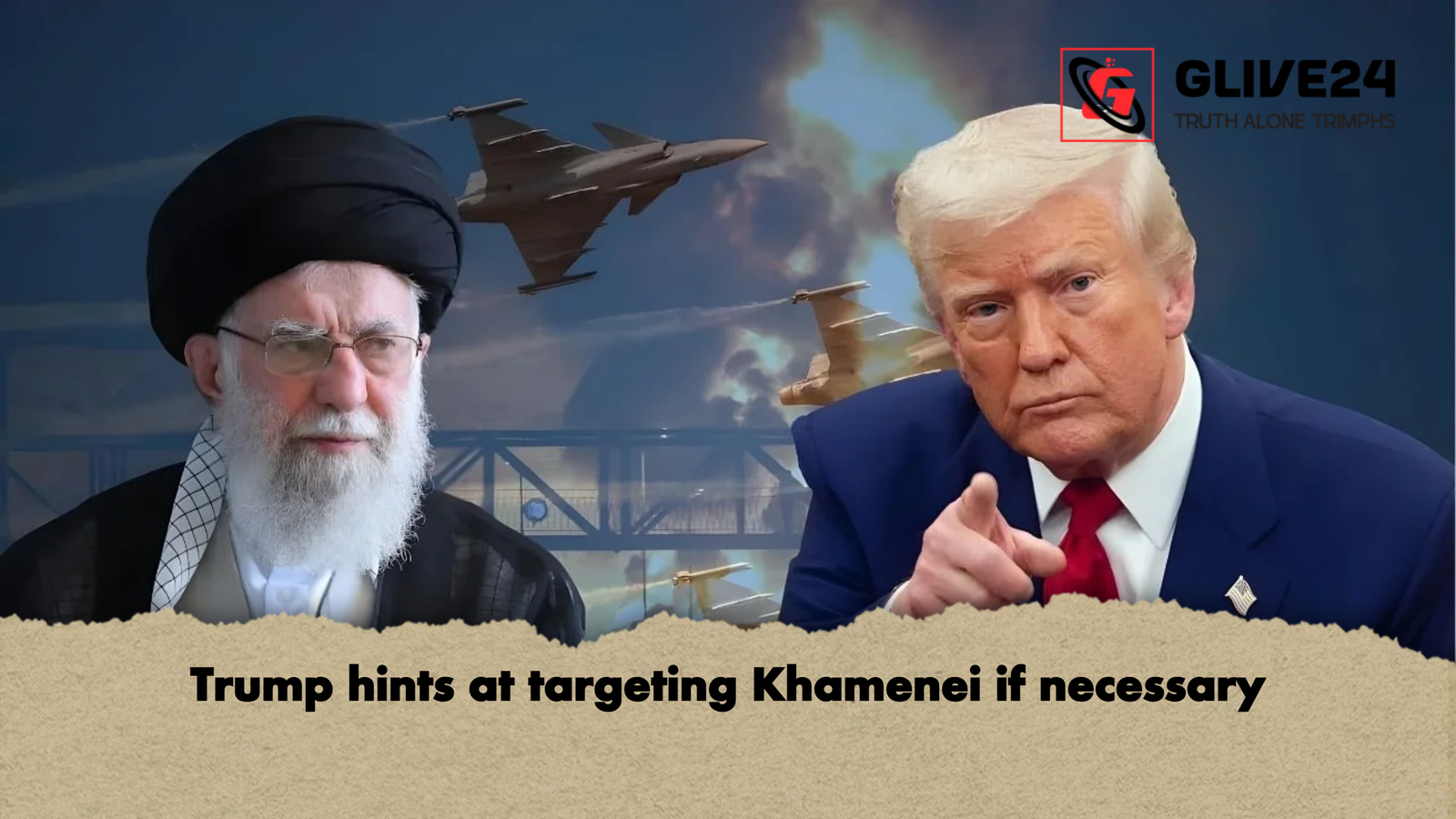
A stark and controversial warning from Washington has intensified international scrutiny of Iran’s unfolding crisis, as senior US senator Lindsey Graham suggested that President Donald Trump could, if deemed necessary, order the killing of Iran’s Supreme Leader, Ayatollah Ali Khamenei, ostensibly to protect the Iranian people.
Speaking in an interview on Tuesday, 6 January (local time), the Republican senator framed his remarks as a response to Tehran’s handling of nationwide protests. Addressing Iran’s clerical leadership directly, Graham declared that continued violence against citizens demanding a better life could provoke an extreme response from the United States. He asserted that if Iran’s rulers persist in killing their own people, President Trump would be prepared to target them personally.
Graham went further, arguing that Iran is on the brink of significant political change. According to him, the current wave of unrest has the potential to become a defining turning point in Middle Eastern history, particularly if economic grievances continue to fuel public anger. Iran has been grappling with severe inflation, currency depreciation and rising living costs, conditions that have sparked protests across multiple provinces. These demonstrations have, in several instances, descended into violent clashes with security forces.
The comments come amid increasingly forthright statements from Washington regarding Iran’s internal affairs. President Trump has recently warned the Khamenei administration that the United States would respond “forcefully” if Iranian authorities continued to attack protesters. While the White House has not formally endorsed Graham’s language, the senator’s remarks underscore a broader pattern of escalating rhetoric from US political figures.
Inside Iran, the judiciary has signalled a hardening stance. Chief Justice Gholamhossein Mohseni Ejei has stated that those participating in, leading or supporting what he described as riots would not be shown leniency. He emphasised that the state would not tolerate actions threatening public order, implicitly endorsing tough measures by law enforcement agencies.
However, there are also signs of internal debate within Iran’s leadership. President Masoud Pezeshkian, speaking amid the ongoing unrest, has instructed security forces to avoid indiscriminate crackdowns. He stressed the need to distinguish between peaceful demonstrators and armed agitators, suggesting an attempt to balance public discontent with state security concerns.
Together, these developments highlight a volatile moment in Iran–US relations, where domestic protest, economic hardship and international pressure are converging with potentially far-reaching consequences.
Key Developments at a Glance
| Aspect | Details |
|---|---|
| US political stance | Senator Lindsey Graham warns of extreme measures against Iran’s leadership |
| Trigger | Violent suppression of protests over economic hardship |
| White House position | Warning of strong US reaction if protesters are attacked |
| Iranian judiciary | Zero-tolerance approach to riots and unrest |
| Iranian presidency | Call to differentiate peaceful protesters from armed rioters |
As protests continue and rhetoric sharpens on both sides, observers warn that miscalculation could further destabilise an already fragile regional landscape.