
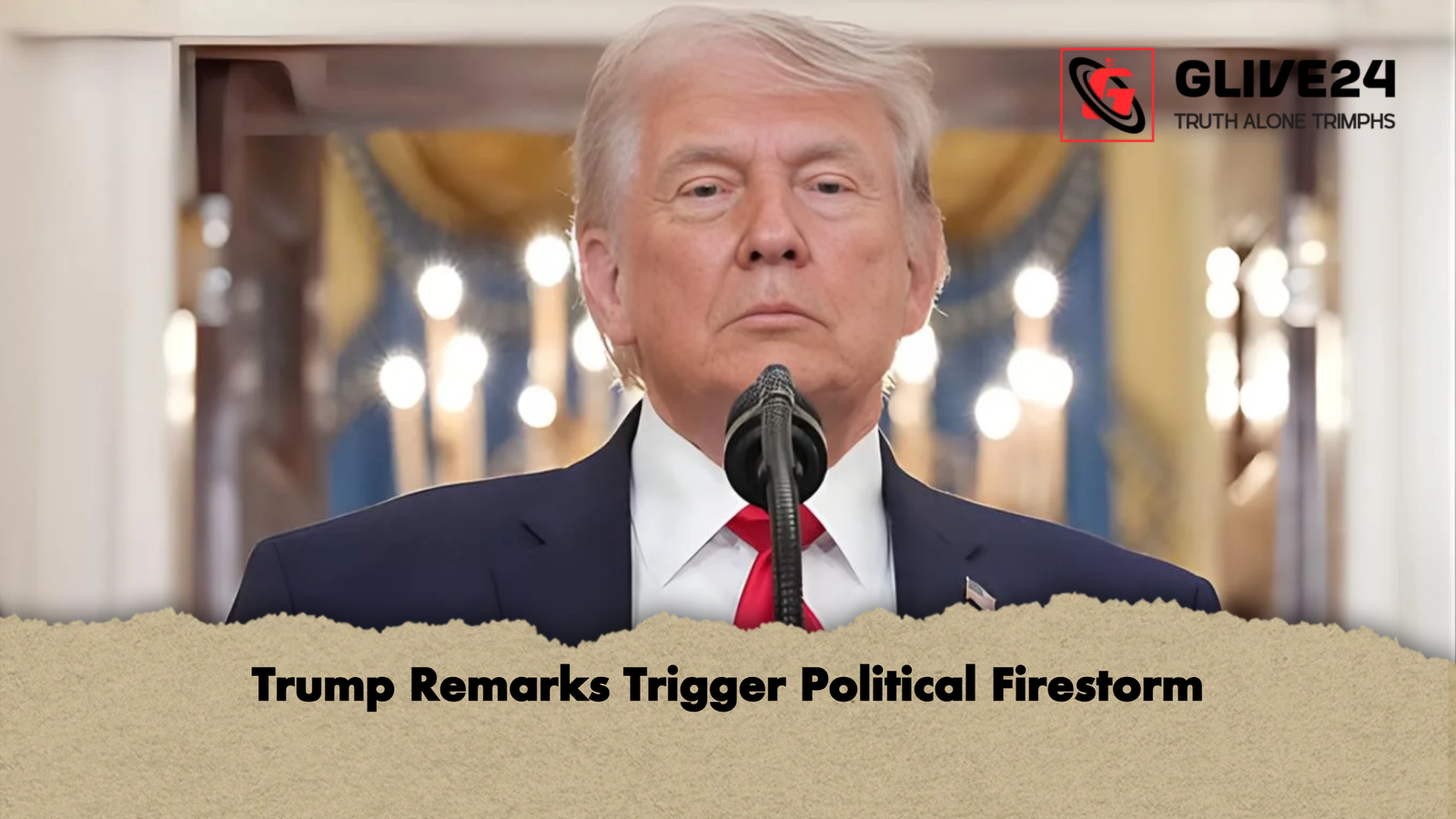
A series of incendiary statements attributed to US President Donald Trump regarding Iran and the strategically vital Strait of Hormuz have sparked an intense political backlash in Washington, with several lawmakers questioning his judgement and conduct in office.
The controversy began after Trump reportedly issued a strongly worded message on his social media platform, Truth Social, demanding the reopening of the Strait of Hormuz, a critical maritime route for global oil and gas shipments. In highly aggressive language, he warned of severe consequences if his demands were not met, alongside threats directed at Iran’s infrastructure, including power stations and bridges. He also suggested that unprecedented military action could follow, escalating fears of wider regional instability.
The Strait of Hormuz, one of the world’s most important energy corridors, has been under severe disruption in recent months amid heightened tensions involving the United States, Israel, and Iran. The resulting uncertainty has already contributed to volatility in global energy markets and sharp increases in oil prices.
In response to Trump’s remarks, a growing number of US political figures from across the spectrum have voiced alarm. Critics have not only condemned the tone of the statements but have also raised concerns about presidential decision-making and mental fitness, marking an unusually direct line of attack from sitting and former lawmakers.
Tensions have also deepened between the United States and its European allies, with reports suggesting disagreement over intervention in the ongoing crisis. Trump has further accused NATO partners of failing to support US positions, even hinting at reassessing America’s role in the alliance, further straining transatlantic relations.
Iranian officials, meanwhile, have maintained that the reopening of the Strait is conditional. Tehran has reportedly insisted that compensation for wartime damage and a new legal framework governing transit fees must be established before any normalisation can occur.
Political reactions in the United States
| Politician | Position | Key criticism |
|---|---|---|
| Chuck Schumer | Senate Majority Leader (Democrat) | Described Trump’s remarks as erratic and dangerous rhetoric |
| Bernie Sanders | Independent Senator | Called the behaviour “dangerous and unstable,” urged Congress to act |
| Marjorie Taylor Greene | Former Trump ally | Claimed Trump has “lost balance” and criticised war policy |
| Chris Murphy | Democratic Senator | Said conduct reflects “extreme instability” and raised constitutional concerns |
| Ro Khanna | Democratic Representative | Warned rhetoric endangers troops and called for ceasefire talks |
| Tim Kaine | Democratic Senator | Labelled language “reckless and childish,” urged de-escalation |
The backlash intensified further after Representative Marjorie Taylor Greene, once a strong Trump supporter, publicly broke ranks, arguing that US involvement in foreign conflicts contradicts the “America First” doctrine. Her comments have highlighted widening divisions within Trump’s political base.
Senator Bernie Sanders urged immediate congressional intervention, while Senator Chris Murphy went further, suggesting discussions around the constitutional process for presidential incapacity, citing the 25th Amendment. However, analysts note that such a move remains highly unlikely under current political conditions.
Democratic leaders, including Senate Majority Leader Chuck Schumer, condemned Trump’s language as inflammatory and unbecoming of a head of state, arguing that it risks escalating an already volatile international situation.
As tensions rise across multiple fronts—diplomatic, military, and political—the situation continues to develop rapidly, with concerns mounting over potential wider conflict in the Gulf region and its global economic consequences.